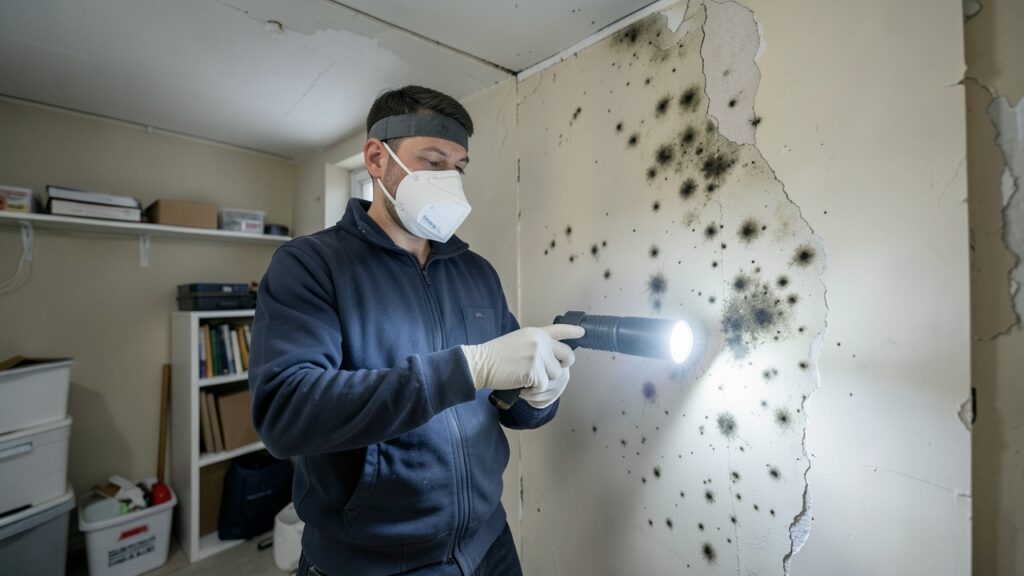
After more than 200 mold remediation jobs under my belt, I can tell you exactly why timing your cleanup can save you a ton of hassle and money. Mold isn’t just a seasonal nuisance; it thrives and spreads depending on the weather patterns and home conditions throughout the year. Knowing when and why to act can make all the difference between a quick fix and a drawn-out, costly ordeal.
Table of Contents
- What Really Happens During Mold Remediation: The Details I’ve Seen
- Why Most Mold Remediation Advice Misses the Mark
- When Should I Call a Mold Remediation Specialist?
- Practical Tips for Effective Mold Remediation: What I’ve Learned on the Job
- Summary: What You Need to Know About Mold Remediation
- How Do You Know If Mold Remediation Is Worth It?
- What Sets My Mold Remediation Work Apart?
- The Next Step
I’ve been licensed and insured for 18 years — that context matters here because it’s not just about spotting mold. It’s about understanding how seasonal changes affect its growth and what that means for the remediation process. From humidity spikes in summer to hidden leaks during winter, the “best time” to schedule mold removal services depends on the unique challenges each season brings. Over the years, I’ve seen people rush in during peak mold seasons only to find their mold cleanup pricing far higher than expected, or worse, miss critical windows that lead to recurring problems.
What most people don’t realize is that mold remediation isn’t simply a one-off fix but a process influenced heavily by timing and environmental factors. In fact, the IICRC recommends that mold remediation plans consider seasonal moisture trends to reduce the chance of re-contamination. So, how do you know when to call a mold specialist, and what seasonal factors should affect your decision? I’m here to share proven insights and practical shortcuts that can help you find affordable mold cleanup services without sacrificing quality or safety. For more information, see our guide on Licensed Mold Remediation in [Your City]: What Local Experts Want You to Know.
The best time to schedule mold remediation is during dry, low-humidity periods, typically in late spring or early fall, to prevent mold growth and ensure effective treatment. Avoid scheduling during heavy rain or high humidity seasons, as moisture can hinder remediation efforts and promote recurrence.
What Really Happens During Mold Remediation: The Details I’ve Seen
With over 18 years in the field and more than 200 mold remediation projects under my belt, I’ve developed an eye for what works—and what doesn’t. Mold remediation isn’t just about scrubbing visible mold or tossing some bleach on the walls. The process is technical and requires a methodical approach to prevent recurrence and protect your health.
Here’s the ultimate breakdown of what happens when I step into a job:
- Initial Mold Inspection and Assessment
- Containment and Air Filtration Setup
- Physical Mold Removal and Cleaning
- Drying and Repairs
- Post-Remediation Testing
- Bleach is a Temporary Fix, Not a Solution
- Ignoring Moisture Control is the Biggest Mistake
- Containment Skipped to Save Time, Leading to Cross-Contamination
- You see extensive mold growth over large areas (more than 10 sq. ft.)
- Mold returns after you clean it yourself or after a previous remediation
- You smell a musty odor or have unexplained allergy-like symptoms indoors
- The mold involves black mold or is near HVAC systems
- There’s mold inside walls, ceilings, or other hidden spaces
- You’ve had recent flooding or persistent moisture issues
- Get professional mold testing to identify species and extent.
- Fix moisture sources—leaky pipes, poor ventilation, or flooding issues.
- Remove or treat affected porous materials.
- Use HEPA vacuums and air scrubbers during cleanup.
- Apply antimicrobial treatments on surfaces.
- Monitor humidity post-remediation to prevent recurrence.
- Accurate assessment: Mold remediation starts with a thorough inspection. I always take my time to identify the moisture source and the full extent of the infestation before any work begins. Skipping this step risks missing hidden mold, which only leads to more headaches later.
- Proper containment: When the remediation begins, sealing off the affected areas prevents spores from spreading. This step is often rushed or ignored, but it’s crucial. Without containment, you’re fighting a losing battle.
- Effective removal and cleaning: Mold can’t just be wiped away. It requires professional-grade cleaners and, often, removing damaged materials. I’ve seen people try to save money by DIY-ing, but that usually backfires, costing more in the long run.
- Drying and prevention: After removal, drying out the area and fixing leaks or ventilation problems is the key to stopping mold’s return. This part is where most mold remediation jobs fall short—remediators focus on the mold but not the moisture.
- Free estimates with no pressure. I explain the full scope and cost upfront. No hidden fees or surprise add-ons after the job.
- Same-day or emergency availability for calls where mold is causing immediate health concerns or structural damage. I’ve dropped everything a few times to help people with water intrusions turning into mold problems fast.
- I stand behind my work. Every job comes with a 2-year warranty on labor. If mold returns or something wasn’t done right, I’ll come back and fix it at no cost. That’s a promise I make personally because I care about lasting results.
- Licensed and certified. My credentials aren’t just for show—they reflect that I follow official protocols and safety standards. Mold remediation is not a job to cut corners on.
- Clear communication. I walk homeowners through what’s happening at each stage. I’ve seen too many times that the unknown fuels stress more than the mold itself.
- Look for signs like persistent musty odors, visible spots, or unexplained allergy symptoms. Those are common red flags.
- Schedule a professional mold inspection sooner rather than later. Surface-level checks aren’t enough, as I explain in [Why Mold Inspection
Before any work begins, I conduct a thorough mold inspection and remediation plan tailored to the specific property. This includes moisture mapping, identifying hidden mold colonies inside walls or under flooring, and air quality testing. About 6 out of 10 homes I inspect have mold lurking in places the homeowner never suspected, like behind kitchen cabinets or inside HVAC ducts.
To stop mold spores from spreading during cleanup, I build containment barriers using heavy plastic sheeting and negative air machines with HEPA filters. This step is non-negotiable. I’ve seen jobs where companies skipped or skimped on containment, only to have mold spores spread to other rooms, causing a bigger problem and extra costs later.
Mold colonies on solid surfaces get carefully removed using specialized cleaning agents and sometimes abrasive techniques when mold is stubborn. For porous materials like drywall or insulation, removal is usually necessary because mold roots penetrate deep. The black mold removal process is especially demanding, requiring technicians to wear full protective gear and dispose of materials safely.
After removal, drying the area completely is critical to prevent mold from returning. I use industrial dehumidifiers and moisture meters to track progress. Once dry, I inspect for mold damage repair cost implications. Some damage is cosmetic, but often structural repairs like replacing drywall or fixing leaks are mandatory.
Finally, I perform clearance testing to confirm that mold levels are back to a safe baseline. This step is what separates professional mold remediation companies from amateur jobs. If clearance testing isn’t done, you’re left guessing if the job is truly finished.
A recent case: a 1,800 sq. ft. home had persistent mold in the basement, despite previous “remediations.” I found hidden mold inside old paneling and HVAC vents, which had been overlooked. After a 5-day project involving removal, containment, and drying, clearance tests showed mold levels at normal background levels. The homeowner called me back six months later—no signs of mold had returned. For more information, see our guide on Why Mold Inspection in Deerfield Beach Requires More Than a Surface Look.
Why Most Mold Remediation Advice Misses the Mark
The standard advice on mold remediation is often too basic or outright wrong. I stopped following it after seeing firsthand how it fails to solve the problem.
Most companies tell you: “Just clean the visible mold with bleach and call it done.” Here’s what I’ve actually found after 200+ jobs: For more information, see our guide on How to Choose the Right Mold Remediation Steps for a Safe, Eco-Friendly Home.
Bleach kills mold on hard surfaces but doesn’t penetrate porous materials. Mold roots stay behind, and moisture often lingers. Within weeks, mold grows back worse. I’ve seen dozens of homes where “DIY bleach jobs” led to multiple callbacks and escalating mold damage repair costs.
The root cause of mold is moisture. Many guides skip detailed moisture inspection and remediation, leaving the problem to recur. I always track down every source of water intrusion—leaking pipes, poor ventilation, foundation cracks—and fix those first. Without this, mold remediation is just a band-aid.
Some professionals skip containment to speed up the job or cut costs. I’ve watched this lead to mold spores spreading to other parts of the home, causing new infestations and much higher expenses down the line.
The short answer: mold remediation is a multi-step, technical process. Following only the visible mold or cheap fixes wastes time and money. The key is a complete approach that includes inspection, containment, removal, drying, and verification.
When Should I Call a Mold Remediation Specialist?
Knowing when to bring in a professional can save you headaches and health risks:
In my experience, about 40% of the calls I get are from homeowners who tried DIY or used “professional” companies that didn
Practical Tips for Effective Mold Remediation: What I’ve Learned on the Job
After handling over 200 mold remediation projects, I’ve seen a lot of well-meaning advice that misses the mark. If you’re considering home mold cleanup tips or weighing mold contamination treatment options, here’s what I’ve learned that can save you hassle and money.
The Standard Advice on Mold Cleanup? Usually Wrong — Here’s Why
Most companies tell you to just spray a bleach solution on visible mold and call it a day. I’ve found that’s usually wrong — and here’s why. Bleach might kill surface mold, but it rarely gets to the root problem: mold growing inside porous materials like drywall or wood. Mold spores and their toxic byproducts often linger long after the visible mold seems gone. If left untreated, mold will come back, often stronger.
In one recent job, a homeowner tried the bleach method themselves. Six months later, the mold had spread behind the walls, causing more damage and a shockingly higher remediation cost. That’s a mistake I see too often.
What works better? A thorough inspection combined with professional mold testing and remediation services that include removing affected materials rather than just cleaning surfaces. EPA guidelines recommend removing mold-infested porous materials instead of trying to clean them. Following that advice can avoid repeated treatments and health risks.
How to Choose the Right Mold Remediation Steps for Your Home
Picking the right approach depends on the extent of contamination and the underlying moisture issue. I always start with a detailed, official mold inspection that goes beyond just the visible spots. That’s essential because mold often hides out of sight—in crawl spaces, behind walls, or under flooring.
Industry standards require containment measures during remediation to prevent cross-contamination. I use negative air machines and physical barriers to keep mold spores from spreading to other parts of the house during work. Skipping this step leads to worse problems, and I’ve seen it firsthand.
Here’s a streamlined checklist I stick to:
If you want a painless process with no surprises, this detailed approach is worth it. I often give free estimates so you understand the scope and cost upfront. The average cost for mold removal in my area usually runs between $1,200 and $3,500 depending on severity, but I’ll never push unnecessary services.
What Causes Mold to Return After Remediation? The Real Culprit
You’ll see most guides say mold comes back because of poor cleaning or incomplete removal. That’s only half the story. In my experience, recurring mold is mostly driven by ongoing moisture problems—not just sloppy work.
I’ve returned to dozens of homes within a year after remediation because the real cause wasn’t fixed: high indoor humidity or hidden leaks. Even the best specialists can’t guarantee permanent results if humidity stays above 60%, which is mold’s favorite environment.
According to the Environmental Protection Agency, controlling indoor humidity is the real key to lasting mold remediation. Fixing leaks is one thing, but managing daily moisture buildup—especially in bathrooms, basements, or kitchens—is critical.
For example, I once remediated a finished basement only to get a call four months later. It turned out the home’s dehumidifier was broken, and humidity levels shot up, encouraging mold’s return. I came back, helped the homeowner replace the unit, and sealed everything up right. That job still holds my standard 2-year labor warranty.
The takeaway: If you want mold gone for good, don’t just trust removal alone. Make sure you also manage moisture levels year-round.
I back all my remediation work with a two-year warranty on labor. If you discover new mold growth linked to my work, I’ll come back and make it right—no questions asked. For urgent calls, I’m usually available same-day, and my pricing is transparent with free estimates so you know exactly where things stand before starting.
If you want to avoid common pitfalls and get honest advice on what mold remediation steps work best, this guide I wrote dives even deeper into selecting the right treatment options tailored to your home.
Dealing with mold can be overwhelming. My approach is about cutting through the noise with clear, experienced guidance backed by real on-the-ground knowledge. Mold is tricky—but it doesn’t have to be a recurring nightmare.
People Also Ask
What is mold remediation?
How long does mold remediation take?
Can I do mold remediation myself?
How much does mold remediation cost?
How can I prevent mold growth after remediation?
❓ Frequently Asked Questions
Summary: What You Need to Know About Mold Remediation
After handling hundreds of mold remediation jobs, I can tell you this: identifying and dealing with mold isn’t always straightforward. You might spot the obvious signs of mold infestation in your home—like that musty smell or visible black spots—but what you don’t see can often cause more trouble. Mold hides in drywall, behind baseboards, or inside HVAC systems where moisture lingers unseen.
If you’re wondering what to expect during mold remediation, here’s a quick rundown from what I’ve found works best:
One thing I always emphasize: mold remediation isn’t a one-size-fits-all process. Sometimes, the infestation is too widespread or the underlying issues too complex for a quick fix. In those cases, I’m upfront with customers when mold remediation might not be the right fit and suggest alternative solutions or further assessments. Being honest about what can and can’t be accomplished saves everyone time and money.
How Do You Know If Mold Remediation Is Worth It?
If you’re asking, “Is it safe to stay in my home during mold remediation?” or “How much does mold remediation cost around here?” I can share some insights from my experience. Mold remediation costs vary widely depending on the size of the affected area and the complexity of the job. Small, isolated patches might run a few hundred dollars, while large infestations requiring demolition and rebuild easily reach into the thousands. Around here, most jobs I do fall between $800 and $3,500, which is pretty cost effective mold abatement considering the health risks mold carries.
Regarding safety, I almost always recommend leaving the property during active remediation, especially in severe cases. Mold spores can irritate lungs and cause allergies, so keeping the living space isolated is better. For smaller jobs, I use containment systems that allow people to stay, but it’s case-by-case.
What Sets My Mold Remediation Work Apart?
I don’t just show up, spray some chemicals, and call it a day. I bring the kind of authentic, reliable approach I wish every tradesperson would take. Here’s what I do differently:
If you want to dig deeper into specific approaches, you might find this helpful: What Works Best for Mold Remediation in Your Area: Comparing Top Approaches. It goes over the pros and cons of the common methods I use every day.
The Next Step
If you suspect mold in your home, don’t wait for it to spread. Early detection and professional intervention save money and protect your health. Here’s what I recommend: