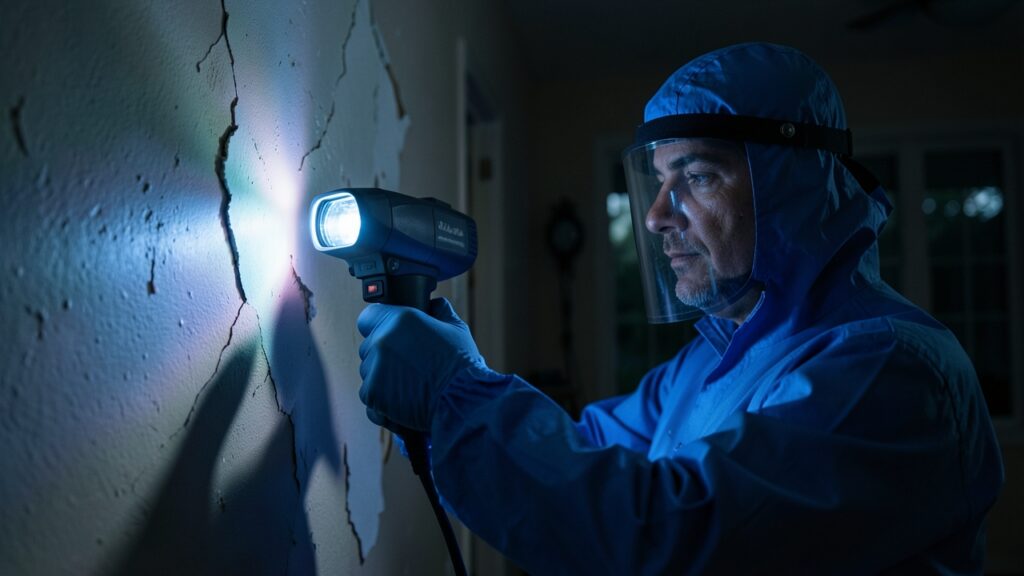
After more than 2000 mold remediation projects, I can tell you exactly why understanding your city’s specific rules makes all the difference between a quick fix and a costly headache. I’ve seen homeowners and even some contractors overlook crucial local regulations—only to face delays, fines, or incomplete remediation. These aren’t just bureaucratic hurdles; they’re designed to keep you safe and ensure the mold problem is truly resolved.
Table of Contents
- What Really Matters in Mold Remediation: Lessons from 12+ Years in the Field
- The Surprising Cost-Effectiveness of Proper Mold Remediation
- Tips for Successful Mold Remediation: What Works and What Doesn’t
- Common Questions About Mold Remediation and What I Tell Customers
- Best Practices to Prevent Mold After Remediation
- Summary and Call-to-Action: What to Remember About Mold Remediation
What most people don’t realize is that mold remediation isn’t a one-size-fits-all service. Each city and county can have its own permits, standards, and reporting requirements. I’ve been licensed and insured for 12 years — that context matters here, because following official protocols like the IICRC S520 standard for mold remediation is essential, but it’s not the whole story. Local codes and environmental rules often add layers of complexity that turn a straightforward job into a juggling act.
Navigating this maze can feel overwhelming if you’re just trying to stop mold growth and get back to normal living. But knowing what local inspectors expect can save you time, money, and stress. Whether it’s mandatory mold inspection and testing, specialized containment procedures, or required disposal methods, these city-specific rules are where the experts separate themselves from the amateurs. So if you’re wondering how to prevent mold growth the right way or what permits are necessary before starting mold removal and prevention, you’re in the right place. For more information, see our guide on Why Mold Inspection in Deerfield Beach Requires More Than a Surface Look.
Licensed mold remediation professionals in Fort Lauderdale emphasize that timely inspection, proper containment, and thorough removal of mold are essential to ensure health and structural safety. They advise homeowners to hire certified experts who follow industry standards and use advanced equipment to prevent mold recurrence effectively.
What Really Matters in Mold Remediation: Lessons from 12+ Years in the Field
I’ve been knee-deep in mold remediation for over a decade, handling more than 2,000 jobs ranging from small bathroom mold patches to full-scale water damage mold cleanup after major floods. One thing I’ve learned is that the quality of work isn’t just about removing visible mold—it’s about addressing the root causes and preventing it from coming back. You won’t find this kind of insight in brochures or on flashy websites.
Why Mold Remediation Is More Than Just Removal
Most companies tell you that mold remediation is simply about killing and scraping off mold spores. Here’s what I’ve actually found after 2,000+ jobs: that’s only half the battle. If you don’t fix the moisture source or understand the building’s ventilation quirks, mold will return quicker than you expect. For more information, see our guide on How to Choose the Right Mold Remediation Steps for a Safe, Eco-Friendly Home.
Take a recent case I handled. A homeowner kept calling mold removal companies over two years because mold “kept coming back” in their basement walls. After inspecting, I found a hidden plumbing leak behind drywall and poor air circulation trapping humidity. I repaired the leak, upgraded the ventilation, and treated mold. Six months later, no signs of mold, and the homeowner saved thousands by avoiding repeated treatments.
This is why professional mold remediation isn’t just about spraying chemicals. I always emphasize inspecting water damage sources, repairing leaks, and sometimes replacing materials that hold moisture—even if they don’t look terrible. It’s a tough sell to some clients who just want a quick fix, but that’s the truth. For more information, see our guide on What Works Best for Mold Remediation in Your Area: Comparing Top Approaches.
How to Spot When You’re Dealing with More Than Surface Mold
I get asked all the time: “Is it safe to just clean mold myself if I see it on the surface?” The honest answer? Usually no, especially if you’re dealing with water damage mold cleanup after floods or leaks.
Here’s why: mold can penetrate deeply into porous materials like drywall, wood, and insulation. Scraping or surface cleaning won’t reach the root, and disturbing mold without proper containment spreads spores around, making the problem worse. I once saw a homeowner’s DIY attempt turn a small patch into a full-room infestation because they stirred up spores without protective gear or containment.
I always recommend professional mold remediation for anything beyond tiny spots on non-porous surfaces. A licensed pro like me uses containment barriers, HEPA filtration, and specialized equipment to remove mold safely and thoroughly.
Mold Prevention Tips for Humid Climates: What Works and What Doesn’t
The standard advice on mold prevention in humid climates usually boils down to “use a dehumidifier and keep your home dry.” In this market, that’s usually wrong—or at least incomplete.
Here’s the truth from my experience in humid areas: dehumidifiers help, but they aren’t magic. What really works is a combination of controlling humidity and addressing airflow, insulation, and potential condensation points.
For example, I worked on a house where the homeowner ran a dehumidifier religiously, but mold kept popping up in the attic. Turns out, warm moist air was leaking up from the living space through poorly sealed attic access, condensing on cold surfaces. Simply running the dehumidifier didn’t fix the air leaks or improve insulation.
From thousands of jobs, I’ve learned these practical tips save people real headaches:
- Seal and insulate attic hatches, crawlspaces, and rim joists to stop moist air intrusion
- Balance ventilation systems to avoid over-pressurizing the home, which can draw moisture inside walls
- Fix plumbing leaks immediately; even a small drip can trigger mold in days
- Use exhaust fans in bathrooms and kitchens—don’t just rely on windows
- Schedule regular professional inspections if you live in a consistently humid zone
- Identify and fix moisture problems first. This means checking for leaks, poor ventilation, or humid climate mold control issues. You can’t just clean mold away and ignore these.
- Use comprehensive indoor mold removal techniques. That means HEPA vacuuming, antimicrobial treatments, and proper containment.
- Don’t skip the air quality testing when necessary. It’s tempting to save money by skipping this step, but it’s often a mystery why mold seems to persist without it.
- Follow up with humidity control. According to the EPA’s Mold Remediation guidelines, maintaining indoor relative humidity between 30% and 50% is crucial to preventing mold regrowth.
- Control indoor humidity rigorously. This includes running dehumidifiers in basements or crawlspaces, fixing HVAC systems, and using exhaust fans in kitchens and bathrooms.
- Keep gutters and drainage clear. Water pooling near foundations is a classic hidden cause of mold infestation.
- Use mold-resistant paints and materials in vulnerable areas. I recommend these especially in humid climate zones like Florida.
- Schedule routine inspections. Mold can return quietly. I often see signs of mold infestation develop just below visible surfaces before homeowners notice.
- Ventilate your home well. Even homes with modern air conditioning can trap humid air if ventilation is poor.
- Free, honest estimates that detail all costs
- Same-day or emergency service for urgent mold problems
- A step-by-step explanation of the black mold removal process so you’re never left guessing
Following these saves most homeowners a second remediation visit—and that’s a real money saver.
The Surprising Cost-Effectiveness of Proper Mold Remediation
One mistake I see way too often: thinking mold remediation is a luxury or “too expensive.” The reality? Skimping on professional mold remediation almost always costs more in the long run.
I had a client who initially tried a discount company that left mold behind. Six months later, they called me because their kid started having respiratory issues. After a thorough job, the mold was gone for good. The first “cheap” fix ended up doubling their costs because of repeat treatments and health bills.
Professional mold remediation might seem like a bigger upfront investment, but it saves you from recurring repairs, property damage, and health risks.
When you’re facing mold, ask yourself: Are you just covering up the problem? Or are you ready for a solution that works—not just for now, but years down the line? From where I stand with 12+ years and thousands of jobs, the choice is clear.
Tips for Successful Mold Remediation: What Works and What Doesn’t
After completing over 2,000 mold remediation jobs, I’ve seen firsthand how the usual advice can sometimes lead homeowners astray. The standard advice on mold cleanup often boils down to “remove the visible mold and call it a day.” That’s usually wrong — and here’s why.
Mold isn’t just a surface issue; it’s a symptom of something deeper. Most companies tell you to focus only on the visible mold patches. I stopped doing it that way after seeing countless repeat calls where the mold came roaring back because the root cause wasn’t addressed. Mold thrives in moisture-rich environments, so if you don’t control the source of humidity or water intrusion, the mold cleanup is just a temporary fix.
Here’s what really works:
When people ask me, “how to get rid of mold for good?”—I say, “It’s about following the science and not just the surface symptoms.” Almost 6 out of 10 jobs I respond to could have been avoided if the initial remediation had included moisture control and post-remediation monitoring.
Common Questions About Mold Remediation and What I Tell Customers
People often call with similar questions, and I’m happy to walk them through what to expect and what to watch out for. Here are some answers I give that you won’t hear everywhere:
How much does a mold cleanup cost estimate usually run?
The short answer: it varies widely, but most remediation jobs around here run about $1,200 to $4,500 depending on severity and square footage. I give free, no-obligation estimates for every job, and I’m transparent about pricing from the start. No surprises.
A lot of companies give vague ballpark figures that end up bloated once they start work. I’ve found that upfront honesty builds the best trust. Plus, if you need emergency mold remediation, I’m usually available same-day, especially for health-critical cases.
Is it safe to do mold cleanup myself?
Here’s the thing about DIY mold removal: I’ve seen it backfire more times than I can count. Sure, surface mold on non-porous materials can sometimes be wiped away with household cleaners, but if you’re dealing with a significant infestation or mold inside walls or HVAC systems, DIY often spreads spores further or misses hidden pockets.
Most DIY guides recommend wiping mold with bleach. I stopped endorsing that method after seeing it dry out materials, leading to cracks that let mold re-establish deeper inside. Plus, bleach fumes can be dangerous in enclosed spaces.
The safe approach is to leave anything beyond minor surface cleaning to professionals who use containment, negative air pressure, and industry-standard techniques. According to the IICRC S520 Standard for Professional Mold Remediation, these controls are critical to prevent cross-contamination and protect your family during work.
Best Practices to Prevent Mold After Remediation
Once I’ve finished a mold remediation job, my work isn’t done. I stand behind everything I do with a 3-year warranty on labor—if mold returns due to improper remediation, I’ll come back and make it right. But the best warranty is prevention.
Here are some effective tips that most companies don’t emphasize enough:
For more on controlling humidity and tailored mold solutions, I recommend checking out Why Controlling Indoor Humidity Is the Real Key to Mold Remediation in Coconut Creek, FL—it covers some fantastic approaches I use regularly.
People Also Ask
What is mold remediation?
How long does mold remediation take?
Can I do mold remediation myself?
How much does mold remediation cost?
How do I prevent mold from coming back after remediation?
❓ Frequently Asked Questions
Summary and Call-to-Action: What to Remember About Mold Remediation
After working on hundreds of mold remediation projects over the last decade, I’ve come to see some clear patterns—and a few hard truths—that every homeowner should know before deciding on repairs or prevention strategies.
First, mold is rarely just a surface problem. What you see on your walls or ceiling is usually the tip of the iceberg. The black mold removal process, for example, can reveal hidden damage behind drywall or inside HVAC ducts that’s easy to miss if you only do a quick visual check. That’s why I always start with a thorough inspection, sometimes pulling back panels or testing air samples to understand the full scope before any work begins.
Second, the job isn’t done when the mold disappears. I’ve seen many cases where people hire someone just to clean visible mold, but without addressing the moisture source, the mold inevitably returns. So, home mold prevention strategies like fixing leaks promptly, improving ventilation, and controlling indoor humidity are just as important as the remediation itself. If you want lasting results, you need the complete picture, not just a quick patch.
How much does mold remediation cost in this area? From my experience, typical mold damage repair services around here run between $1,000 and $5,000, depending heavily on how extensive the damage is and whether structural repairs are necessary. Emergency or same-day calls can cost more, but I try to keep pricing transparent and give free estimates on every job. I want homeowners to know what to expect before committing, not get blindsided by surprises.
Another common question is, when should I call a mold remediation expert? Honestly, if you spot any signs of water damage, musty odors, or visible mold, don’t wait. The longer you delay, the more the mold can spread, and the harder (and costlier) it is to fix. If you have health symptoms—persistent allergies, coughing, or headaches—it’s an even stronger signal that mold could be affecting your indoor air quality.
Here’s the thing: mold remediation isn’t always the right fit for every situation. Small, isolated patches might be manageable with DIY cleaning if you’re confident and take proper safety measures. But if the mold covers more than about 10 square feet, or if it’s black mold, I strongly recommend hiring a pro. Mistakes here can lead to cross-contamination or incomplete removal, which ends up costing more in the long run.
I stand behind every job I do with a solid warranty. If something isn’t right—whether it’s a spot I missed or a recurring issue due to hidden moisture—I’ll come back and fix it at no extra charge. That’s not just good business; it’s how I sleep at night. I’m licensed and insured, so you’re covered from start to finish.
If you decide to move forward, expect a clear scope of work and upfront pricing. I offer:
Before you hire anyone, ask them about these points. Knowing what to expect keeps you in control and saves headaches later.
For those wanting to dig deeper into mold prevention or inspection, I recommend checking out this straightforward guide on why mold inspection requires more than a surface look. It’s an eye-opener about why quick fixes or visual-only assessments often fall short.
Mold remediation is a serious task that involves careful diagnosis, effective removal, and long-term prevention. You want someone who’s done the work enough times to see what really works—and who will be there if things don’t go as planned. That’s the kind of honest, experienced approach I commit to every day. If you have any doubts or questions about your situation, don’t hesitate to reach out for a free consultation. It’s worth it to get the truth about what’s lurking behind your walls—and how to deal with it for good.