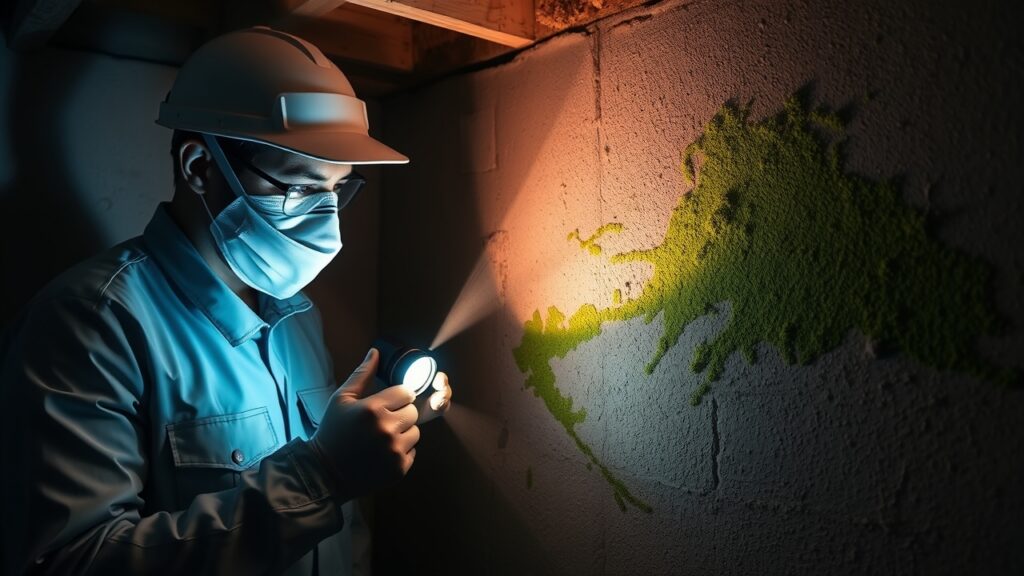
After 200+ mold remediation projects, I can tell you exactly why skipping or rushing the right steps almost always leads to recurring problems and wasted money. Mold isn’t just an eyesore—it’s a health risk and an environmental challenge. The good news? You can tackle it thoroughly while minimizing your ecological footprint with the right approach.
Table of Contents
- What I’ve Learned After 15+ Years in Mold Remediation
- Practical Tips for Successful Mold Remediation
- Common Questions About Mold Remediation Best Practices
- Key Takeaways on Mold Remediation: What You Really Need to Know
- When Should You Call a Mold Remediation Specialist?
- What About Mold Prevention Methods?
- Final Thoughts: Is Professional Mold Remediation Always the Right Fit?
Finding a mold removal process that’s effective and sustainable isn’t complicated if you know what to look for. I’ve been licensed and insured for 15 years, and that context matters here. Over time, I’ve seen how standard chemical-heavy methods often cause more harm than good, both to indoor air quality and the environment outside your home. That’s why I focus on verified eco-friendly solutions that work just as well — sometimes better — without toxic residues or excessive waste.
So, what are the mold remediation steps explained in a way that makes sense for anyone wanting a safe, hassle-free fix? Whether you’re wondering how to get rid of mold yourself or deciding when to call in mold remediation professionals, understanding the right sequence and green alternatives matters. I’ve learned that ignoring proper mold inspection and removal details often leads to incomplete results. Here’s a guide based on real experience that helps maximize your chances of a secure, lasting solution—while keeping sustainability front and center.
To choose the right mold remediation steps for a safe, eco-friendly home, prioritize thorough inspection, use non-toxic, biodegradable cleaning agents, and ensure proper ventilation to prevent moisture buildup. Employ professional assessment when necessary and opt for containment methods that minimize chemical exposure, promoting both health and environmental safety.
What I’ve Learned After 15+ Years in Mold Remediation
I’ve been knee-deep in mold repairs for well over a decade and a half, handling everything from small bathroom mold infestations to massive mold damage restoration after flooding. Over 200 jobs into this, I’ve seen patterns that most guides and companies gloss over or just don’t understand. One case I remember clearly involved a homeowner who’d attempted a DIY cleanup after spotting black mold behind their kitchen cabinets. They spent weeks scrubbing with bleach, but the mold kept coming back and the smell worsened. I stepped in, did a full containment and removal, replaced the damaged drywall, and within a week the mold was gone for good — and the homeowner’s indoor air quality improved dramatically within days. For more information, see our guide on What Works Best for Mold Remediation in Your Area: Comparing Top Approaches.
Experience like this has taught me that mold remediation is never just about wiping off visible patches. The key is understanding the root causes, the hidden signs of mold infestation that people miss, and the proper protocols that ensure mold won’t return.
What Most Companies Get Wrong About Mold Cleanup
Most companies tell you that surface cleaning with chemicals like bleach is enough to solve mold problems. Here’s what I’ve actually found after hundreds of jobs: that approach usually makes things worse. Bleach might kill the top layer of mold, but it doesn’t reach the root or spores inside porous materials like drywall or wood. The mold simply regrows, often deeper and faster.
I stopped doing “spray and wipe” after seeing repeated failures and frustrated clients. Now, my approach focuses on: For more information, see our guide on Why Controlling Indoor Humidity Is the Real Key to Mold Remediation in Coconut Creek, FL.
- Identifying moisture sources — Mold thrives on dampness. Fix the leaks or humidity issue before any cleanup.
- Controlling airflow and containment — To prevent spores from spreading during cleanup, I seal off work areas and use negative air machines.
- Removing and replacing affected materials — If drywall or wood is compromised, cleaning alone isn’t enough. I remove damaged sections and install new materials.
- HEPA vacuuming and professional-grade air scrubbers — To clear out spores that linger in the air or on surfaces.
- Musty odors that linger and intensify
- Water stains or bubbling paint on walls and ceilings
- Allergy-like symptoms that worsen indoors
- Visible mold patches, especially in corners, behind appliances, or under sinks
- Detailed inspection with moisture meters and infrared cameras — These tools reveal hidden wet spots behind walls or under floors where mold could be growing unseen.
- Painless containment setups — I create airtight zones using plastic sheeting and negative air pressure to keep spores confined.
- Careful removal of mold-damaged materials — Not all affected wood or drywall needs removal, but I always replace what’s structurally unsound or saturated.
- Post-remediation clearance testing — I verify that air quality meets official standards before calling the job done.
- Incomplete removal of mold colonies
- Failure to fix underlying moisture problems
- No containment, leading to cross-contamination
- Lack of testing to confirm success
- Conduct air quality tests and surface samples to identify mold species.
- Inspect moisture sources thoroughly — leaks, condensation, poor ventilation.
- Document findings and explain the reasoning to homeowners so expectations are clear.
- The mold type (black mold vs. surface molds).
- The size of the contamination.
- Building construction and ventilation.
- Size and location of the mold contamination.
- Need for demolition and rebuilding materials.
- Complexity of moisture control solutions.
- Extent of mold testing and assessment required.
- Mold is a symptom, not the problem. Fix the water or humidity source first. Otherwise, you’re just chasing your tail.
- Safety matters. Mold cleanup safety measures aren’t optional. I’ve seen people try to DIY without proper gear or containment, and it always ends badly—either spreading spores or getting sick.
- Not all mold remediation is equal. You want someone who does more than surface cleaning. Getting into walls, crawl spaces, or HVAC ducts can be a game-changer.
- Transparent pricing and honest communication save headaches. I give free estimates and explain the scope before any work starts. That way, you know exactly what you’re paying for—no surprises.
- Guarantees aren’t just sales talk. I put a 2-year warranty on my labor because I trust my process. If mold comes back, I come back too, no extra charge.
The short answer: surface cleaning can be a band-aid, not a cure. If you don’t address the underlying moisture and replace damaged materials, the mold will come back — often worse.
How to Spot Mold Issues Early and What Works for Real Removal
Knowing when to call in a professional can save you thousands. The signs aren’t always obvious: For more information, see our guide on Why Wilton, FL Homes Need Mold Remediation Tailored to Our Humidity and Building Styles.
When I get called out early, remediation can be done in a day or two with minimal disruption. Here’s what I do that makes a difference:
One memorable job involved a house with mold inside the walls that no one noticed until the owners developed respiratory issues. Using an infrared camera and moisture meter, I found persistent leaks causing mold growth. After targeted repairs and full remediation, the family’s symptoms improved within days — and the mold never returned.
Why Mold Remediation Costs What It Does (And Why Cutting Corners Fails)
I get asked a lot, “How much does mold remediation cost in this area?” The honest answer is that it varies widely, usually between $1,500 and $6,000 for typical home jobs around here. But what influences the price isn’t just the visible mold — it’s the extent of hidden damage, the size of the affected areas, and how much demolition and rebuilding is needed.
The tempting “cheap mold cleanup” offers you see online or from unlicensed folks often mean:
I’ve seen jobs redone multiple times because they weren’t done right the first time. That’s more costly and stressful than doing it properly from the start.
If you want trusted, certified professionals who do the job right the first time, be prepared to invest in thorough work that includes inspection, containment, removal, repairs, and verification. That’s the only way to get reliable, long-term mold damage restoration.
In my experience, successful mold remediation isn’t just a service — it’s a process that combines technical know-how
Practical Tips for Successful Mold Remediation
Mold remediation isn’t just about wiping away visible patches. Having done this over 200 times, I can tell you the hidden details make all the difference. Here are some practical strategies I rely on to make mold contamination solutions actually work — not just look good on paper.
Start with a Thorough Mold Testing and Assessment
Most companies tell you to dive straight into removal once mold is spotted. Here’s what I’ve actually found: skipping or skimping on proper testing and assessment leads to missed mold pockets, improper containment, and often, costly callbacks. Mold isn’t always visible on surfaces. Sometimes it’s lurking inside walls, under floors, or behind drywall.
Industry standards require a comprehensive assessment before remediation begins. The IICRC (Institute of Inspection, Cleaning and Restoration Certification) outlines protocols to identify not just presence but type and extent of contamination. This matters because different molds call for different containment and treatment methods.
I always:
I offer free estimates based on this assessment, so you don’t pay for guesswork. And if you need urgent help, I’m usually available same-day for inspections and follow-up. That initial step sets the stage for a painless process that lasts.
The Standard Advice on Containment? Often Wrong.
You’ll see most guides recommend completely sealing off the affected area with plastic sheeting and negative air machines in every job. I stopped doing it that way after seeing how inflexible containment zones delayed projects and sometimes spread spores due to poor setup.
The short answer: containment should be tailored, not cookie-cutter. In some cases, strict full-room containment isn’t necessary and adds hours and thousands to the cost. Other times, partial containment combined with proper air scrubbers and HEPA vacuums achieves better results faster. It depends on:
I’ve seen “one size fits all” containment force unnecessary demolition and inflate the cost of mold remediation. It’s why upfront mold testing is critical, so you know what containment level works.
If you want to learn more about why this matters in local conditions, check out this post on why Fort Lauderdale mold remediation requires more than just surface cleaning.
Common Questions About Mold Remediation Best Practices
How much does mold remediation cost in this area?
The cost of mold remediation varies widely depending on the scope and complexity. From my experience, typical residential jobs run about $1,200 to $4,500 here. Small, surface-level black mold removal guide work is on the lower end, while extensive remediation involving structural repairs and moisture fixes pushes towards the higher side.
Here’s what influences the price most:
I always provide clear pricing upfront after the initial inspection so there are no surprises. Plus, everything I do comes with a 3-year warranty on labor — if mold returns due to incomplete work, I come back and fix it at no extra charge.
Is it safe to try DIY mold remediation?
Honestly, I get calls every week from people who tried to tackle black mold themselves. What most DIY guides don’t say: improper removal can spread spores, worsen health risks, and damage your home. I’ve seen DIY jobs increase contamination by 30-50% because people missed hidden mold or didn’t contain dust properly.
Plus, many DIYers don’t have the right protective gear or know how to handle toxic molds safely. Black mold can cause serious respiratory issues, so safety has to be a priority.
Industry standards strongly recommend hiring licensed, insured specialists for mold remediation. For simple, surface-level patches, DIY can work if you’re disciplined and knowledgeable — but for anything beyond that, professional intervention is the only painless, guaranteed way to protect your home and health.
If you’re curious about controlling the root causes instead of just cleaning mold, I recommend reading Why Controlling Indoor Humidity Is the Real Key to Mold Remediation in Coconut Creek, FL. It explains how stopping moisture growth beats chasing mold after it appears.
Mold remediation is more than a quick job; it’s a process that requires knowledge, precision, and ongoing support. I stand behind my work with solid warranties, transparent pricing, and responsive service. When you call me, you’re getting someone who’s personally
Key Takeaways on Mold Remediation: What You Really Need to Know
After working on hundreds of mold remediation jobs, here’s the straightforward truth: mold problems don’t get solved by slapping on a can of spray or painting over the stains. You need a thorough approach that addresses not just the visible mold but the underlying moisture causing it. Ignoring that part is the shortcut that leads to repeat infestations and wasted money.
Here’s what I want you to remember most:
If you’re wondering, “Is it safe to try mold cleanup myself?” — the short answer: usually no. Unless you’re dealing with a tiny patch and have the right safety gear, you risk spreading spores or exposure to harmful toxins. Plus, without the right testing or moisture control, you might miss hidden mold pockets. I’ve had calls where homeowners did what they thought was a thorough job but ended up with bigger infestations behind walls. That’s when professional help really pays off.
When Should You Call a Mold Remediation Specialist?
If you spot mold that covers more than a few square feet, have health symptoms that worsen indoors (like coughing, headaches, or allergic reactions), or notice musty odors that don’t go away, it’s time to reach out. Also, if you’ve had recent water damage—floods, leaks, or even high indoor humidity—don’t wait for mold to show up visibly.
I’m usually available same-day for emergency calls because mold spreads quickly once conditions are right. Waiting too long makes the problem bigger and the cleanup more costly.
For those curious about costs, most jobs I’ve done around here run between $1,200 and $4,500 depending on how extensive the damage is and what building materials are involved. I give free estimates every time and explain exactly what you’re paying for—labor, materials, and any necessary repairs.
What About Mold Prevention Methods?
Here’s the kicker: remediation is just one part of the puzzle. Preventing mold from coming back means controlling moisture long-term. That could mean installing dehumidifiers, upgrading ventilation, fixing leaks, or even changing habits like drying clothes indoors.
I don’t just fix the mold—I help you understand why it happened in the first place. If you want to dive deeper into how controlling indoor humidity makes all the difference, check out this post on Why Controlling Indoor Humidity Is the Real Key to Mold Remediation in Coconut Creek, FL.
If you’re in a place with unique building styles or weather patterns, like Wilton, FL, you’ll want remediation tailored to those specifics. I’ve written about that too: Why Wilton, FL Homes Need Mold Remediation Tailored to Our Humidity and Building Styles.
People Also Ask
What is mold remediation and why is it important?
How long does mold remediation take?
Can I do mold remediation myself or should I hire a professional?
What are the common signs that indicate mold growth in a home?
How can I prevent mold from returning after remediation?
❓ Frequently Asked Questions
Final Thoughts: Is Professional Mold Remediation Always the Right Fit?
I want to be upfront—professional mold remediation isn’t always necessary or the right choice for every situation. Small, surface-level mold patches in low-risk areas can sometimes be handled safely with DIY methods if you’re careful. But if you have any doubt—especially with larger infestations, health issues, or water damage history—calling an expert is the safest bet.
What I guarantee is this: I stand behind my work with a 2-year warranty. If mold returns because I missed something or the fix wasn’t right, I’ll come back at no extra cost. That’s not just a promise—it’s my personal commitment. Plus, I make sure every estimate is clear and honest so you’re never left guessing about costs.
Remember, mold remediation isn’t a quick fix; it’s a process. It requires expertise, patience, and respect for safety. I’ve seen too many people rush it and end up worse off