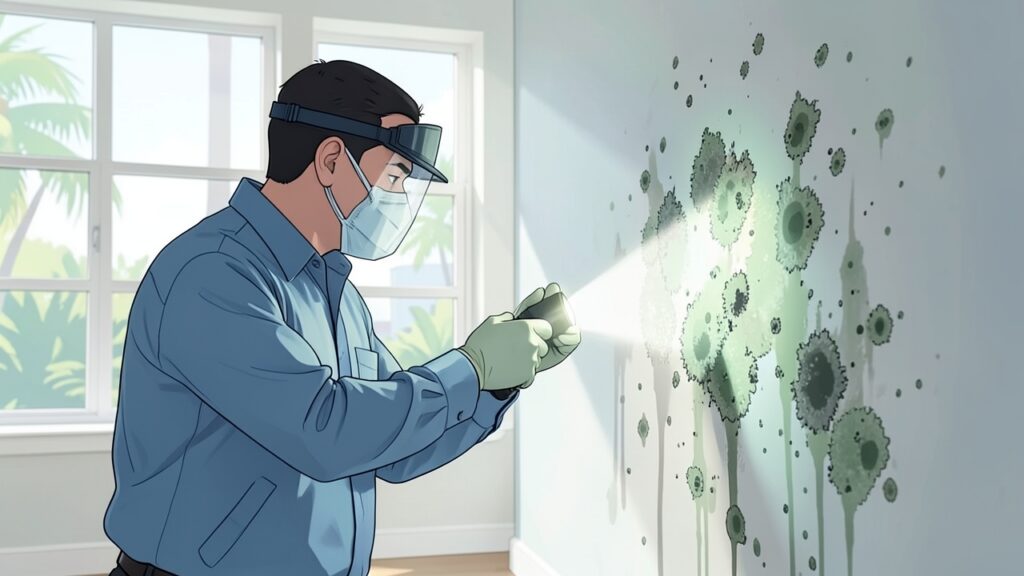
Have you noticed how some mold remediation efforts in your neighborhood seem to solve problems once and for all, while others barely scratch the surface? After seeing firsthand the same symptoms—stubborn mildew stains, musty odors lingering despite cleanup, and recurring patches in the same spots—I can tell you exactly why the location matters more than most people realize. Mold remediation is not a one-size-fits-all solution; it’s deeply influenced by local building materials, climate patterns, and even neighborhood-specific construction quirks that often go unnoticed.
Table of Contents
- Why Proper Mold Remediation Goes Beyond Surface Cleaning
- The Standard Advice on Mold Remediation Is Usually Wrong—Here’s Why
- What Causes Mold Problems to Persist — And How to Stop Them
- Mold Remediation Tips and Best Practices You Shouldn’t Overlook
- The Secret Truth about DIY Mold Remediation — What Most Companies Won’t Tell You
- Summary and Call-to-Action: What You Should Know Before Tackling Mold Remediation
Here’s the thing: I’ve been in this line of work long enough to know the difference between a quick fix and a real fix, and those differences often hinge on community factors. For instance, homes in older districts with original plaster and lath walls require very different mold removal processes than newer builds with modern drywall. In coastal neighborhoods, high humidity demands more aggressive ventilation tactics and moisture control strategies compared to inland areas. Ignoring these nuances leads to repeated mold growth and frustrated homeowners.
That’s why I always start with detailed mold inspection and testing tailored to the local environment before recommending any remediation plan. The official IICRC S520 standard for mold remediation emphasizes the importance of context in every job. This guide will walk you through the overlooked details that can make or break mold remediation in your area, helping you understand what to look for and how neighborhood-specific factors could save you time, money, and headaches in your mold battle. For more information, see our guide on How to Handle Lauderdale Winter Mold Risks in Parkland, FL Homes.
Did you ever wonder how to prevent mold growth that’s unique to your community’s climate and building styles? Stick with me—I’m here to share what’s worked repeatedly, what trips people up, and how you can maximize your chances of a guaranteed mold-free home.
Neighborhood factors such as local climate, building age, and prevalent construction materials significantly influence mold growth patterns and remediation effectiveness. Understanding these nuances allows professionals to tailor remediation strategies, ensuring thorough mold removal and preventing recurrence.
Why Proper Mold Remediation Goes Beyond Surface Cleaning
I’ve seen countless attempts at mold removal where homeowners or even some companies treat mold like just a stain on the wall. That’s where most people get it wrong. The short answer: mold remediation is not just about scrubbing visible growth—it’s about addressing the root causes, hidden contamination, and preventing recurrence.
When I step into a mold problem, I’m looking at the entire environment. It’s not unusual to find that what looks like a small patch on drywall actually extends behind walls, inside insulation, or into HVAC systems. Without tackling these hidden reservoirs, mold will come back, no matter how aggressively you clean the surface. For more information, see our guide on Unlock the Hidden Challenges of Mold Remediation in Our Local Climate.
For example, I once handled a water damage and mold cleanup project in an older home where a leaking pipe had gone unnoticed behind a kitchen wall. The homeowner had tried bleach treatments multiple times, only for the mold to reappear weeks later. After removing the drywall, drying the area thoroughly, and replacing affected materials with mold-resistant building materials, the problem was resolved for good. This took about a week longer than a surface-only approach but saved the homeowner from repeated headaches.
Here’s what I always stress: effective mold remediation requires a step-by-step process that includes inspection, containment, removal, cleaning, drying, and prevention. Skipping or rushing any step is a false economy.
The Standard Advice on Mold Remediation Is Usually Wrong—Here’s Why
Most companies tell you that simply applying bleach or anti-mold sprays will fix the problem. That’s the standard advice you’ll find everywhere. I stopped doing it that way after seeing it fail too many times. For more information, see our guide on Can I perform mold remediation myself or should I hire a professional?.
Bleach only kills surface mold and doesn’t penetrate porous materials where mold roots — the mycelium — grow. If you rely on bleach alone, you’re basically masking the problem temporarily. In many cases, bleach can even make things worse by adding moisture to surfaces, encouraging mold growth down the line.
From my experience, the best mold removal techniques focus on physically removing contaminated materials when feasible, combined with thorough drying and treating remaining surfaces with EPA-registered antimicrobial products. For hard materials like tile or concrete, cleaning and disinfecting can work well. But drywall, ceiling tiles, and insulation often need removal and replacement.
I remember one job where the homeowner insisted on trying bleach treatments first. After 2 months, the mold had spread behind the drywall and affected the wood framing. It turned into a much bigger project and cost the homeowner twice as much as the original estimate would have been if I had started with removal.
So here’s my advice: if you see mold on porous materials, don’t waste time with bleach. Get an expert assessment and be prepared for removal and replacement. That’s the only way to stop mold for good.
What Causes Mold Problems to Persist — And How to Stop Them
A big part of my work revolves around understanding why mold keeps coming back, even after remediation. Spoiler: it’s almost always an unresolved moisture issue.
Mold doesn’t just appear randomly. It needs moisture, warmth, and a food source. Water damage from leaks, condensation from poor ventilation, or high indoor humidity are usually the culprits. Unless you fix the source of moisture, mold isn’t going anywhere.
Here’s what I look for during assessment:
- Hidden leaks: Pipes behind walls, roofs, and even HVAC drip lines.
- Condensation hotspots: Areas with poor airflow, like behind furniture against exterior walls.
- Drainage issues: Faulty gutters or grading that directs water toward the foundation.
- Humidity control: Homes without proper ventilation or dehumidification.
- Persistent allergies or respiratory irritation that worsen indoors
- Water stains or discoloration that appear suddenly or grow over time
- Peeling, bubbling, or warped paint and wallpaper
- A sudden increase in humidity or condensation inside the house
- Wear proper protective gear: N95 respirators, gloves, and goggles are a must.
- Avoid dry brushing or vacuuming moldy areas without HEPA filters—this spreads spores everywhere.
- Shut down HVAC systems during cleanup to prevent spreading mold spores throughout the house.
- Use EPA-registered antimicrobial cleaners, not just generic household cleaners.
- The size of the affected area
- Whether structural materials like drywall or flooring need removal and replacement
- Accessibility—mold behind walls or in crawl spaces requires more labor
- The equipment and safety gear needed for containment and air scrubbing
- Mold is often a symptom, not the problem. Behind the scenes, moisture control is king. If you skip fixing leaks or poor ventilation, mold will likely return, no matter how thorough the cleanup.
- DIY remediation can backfire. I’ve seen plenty of folks try to handle it themselves, only to end up with spores spread around or hidden mold left untouched. Mold remediation professionals have the right gear and experience to do the job safely and effectively.
- Transparent pricing and clear communication matter. I always give free estimates and tell you upfront what to expect financially. That way, you avoid surprises and can make an informed decision.
- Not every mold problem needs the same approach. Sometimes, a small patch can be cleaned quickly. Other times, it involves significant repairs or specialized containment methods. The first step is a thorough inspection.
- Look for professionals who stand behind their work. I personally offer a warranty on labor—if you spot mold returning or any issues related to my work, I’ll come back and fix it without fuss. That kind of guarantee is rare but essential for peace of mind.
Once these are identified, I recommend specific solutions. These may include repairing leaks, improving ventilation, or installing mold-resistant products like drywall and insulation. Choosing mold-resistant building materials is one of the best long-term defenses against mold returning.
A client once had persistent mold in a basement despite multiple cleanings. I found that the sump pump was malfunctioning, allowing water to pool under the floor. After fixing the pump and sealing the basement walls with mold-resistant paint, the mold problem vanished.
If you ask me, the secret to hassle-free mold remediation isn’t just in removal but in the follow-through repairs to keep your home dry and mold-free.
How Much Does Mold Remediation Cost in This Area?
In my experience, most mold remediation projects I do run about $1,500 to $5,000 depending on the size of the affected area, the materials involved, and the complexity of the water damage and mold cleanup. Smaller jobs like bathroom mold removal or isolated spots are on the lower end, while full-room or whole-house remediation with replacement of materials and moisture control solutions push toward the higher end.
The key is to avoid quick fixes that only add cost later. A reliable, insured expert will assess your home thoroughly and give you a clear scope rather
Mold Remediation Tips and Best Practices You Shouldn’t Overlook
Mold remediation isn’t just about scrubbing away visible mold. It’s a multi-step process that demands precision, safety, and understanding of the environment causing the mold growth. Over the years, I’ve learned that the best mold remediation jobs follow strict protocols and respect the unseen factors as much as the obvious ones.
What Are the Real Signs of Mold Infestation?
Knowing when you have a mold problem is half the battle. Most people think black spots or that musty smell are the only signs. I’ve seen homes where those signs were clear, but just as often, the mold is hidden behind walls, under flooring, or inside HVAC ducts. Here are some less obvious signals I always tell homeowners to watch for:
According to the Environmental Protection Agency (EPA), moisture control is the key to preventing mold growth. So, spotting these subtle signs early can save you from a costly full-scale remediation later. Don’t wait for patches to appear on the surface.
Mold Cleanup Safety Tips Everyone Should Know
Mold is not just an eyesore; it can cause serious health issues if mishandled. I’ve responded to calls where homeowners tried their own “painless” cleanup and ended up making the problem worse or suffering respiratory problems. Here’s what I always stress to customers:
I back my work with a full 2-year warranty on labor because I know how critical safety and thoroughness are. If something isn’t right, I come back and make it right—no questions asked. For emergency mold situations, I usually can be there same-day, which a lot of homeowners appreciate when they realize how urgent mold problems are.
The Secret Truth about DIY Mold Remediation — What Most Companies Won’t Tell You
You’ll see most guides recommend that homeowners start mold removal themselves to save money. The standard advice on this is “wear a mask, get some bleach, and clean it up.” In this market, that’s usually wrong—and here’s why.
Most DIY attempts only tackle surface mold and ignore the root cause—the moisture source and mold spores hidden inside building materials. I can’t tell you how many times I’ve been called back to a “remediated” home where the mold came roaring back within weeks because the homeowner missed wall cavities or attic leaks. Worse, improper removal can release mold spores into the air, making the problem more widespread and harder to control.
Professional mold removal companies, like those certified by the IICRC (Institute of Inspection, Cleaning and Restoration Certification), follow strict containment and air filtration protocols. They also know which materials must be removed rather than just cleaned. Simply spraying mold with bleach is a band-aid, not a cure.
Here’s the thing: while my prices for mold remediation are competitive—most jobs run about $1,500 to $4,000 around here—those costs include comprehensive inspections, moisture mapping, safe removal, and often the repairs needed to keep mold from returning. Skipping these steps in DIY projects almost always ends up costing more in the long run.
If you want to understand exactly when you should call a pro, this post dives into it with plenty of detail: Can I perform mold remediation myself or should I hire a professional?. That’s a secret weapon most companies don’t share—that there’s a clear line between what you can safely handle and what requires a certified expert.
How Much Does Mold Remediation Cost in This Area, Really?
Cost is always at the front of people’s minds. I’m upfront with every customer about pricing because I hate surprises. The short answer: mold remediation costs vary widely depending on the severity and location of the infestation, but most local jobs fall within a predictable range.
Here’s what usually affects the price:
I provide free estimates on every job. When people call, I explain all this upfront and give a clear, honest quote. I’ve noticed that when customers know exactly what they’re
People Also Ask
What is mold remediation?
How long does mold remediation take?
Can I remove mold myself?
How much does mold remediation cost?
How can I prevent mold growth after remediation?
❓ Frequently Asked Questions
Summary and Call-to-Action: What You Should Know Before Tackling Mold Remediation
After working in this field for years and tackling hundreds of mold issues, here’s the bottom line: effective mold remediation is not just about scrubbing visible mold off your walls. It’s a detailed process that requires knowing exactly where mold hides, understanding the moisture sources feeding it, and applying methods tailored to your home’s specific situation. The best mold remediation specialists will dig deeper than the surface, addressing the root causes and offering long-term mold protection solutions that save you headaches down the road.
What are the key takeaways you should remember?
When should you call a mold remediation expert? If you find mold covering more than a small area (say, more than a few square feet), if you smell musty odors that won’t go away, or if you have water damage you can’t easily fix, it’s time to reach out. Also, if anyone in your household experiences unexplained allergies or respiratory symptoms, don’t wait.
On pricing—expect local rates for mold remediation to vary. In my experience, most residential jobs range from a few hundred to a few thousand dollars depending on severity and scope. I’m usually available for same-day or emergency calls because mold won’t wait. Quick response often limits damage and reduces costs.
If you want to learn more about how mold behaves in this climate or the unexpected challenges it creates, check out Unlock the Hidden Challenges of Mold Remediation in Our Local Climate. For a closer look at when DIY might be okay and when it’s better to bring in a pro, this post is spot-on: Can I perform mold remediation myself or should I hire a professional?
A quick story: Once, I was called to a home where the owners had tried to clean a visible patch themselves. They used bleach and a lot of elbow grease but ignored a hidden pipe leak behind the drywall. Mold came back within weeks, worse than before. When I inspected, it was clear the source had to be fixed first. We repaired the pipe, removed the contaminated drywall, and then did a thorough remediation using effective mold remediation methods. The family was relieved—and learned a valuable lesson about long-term mold protection solutions.
In the end, mold remediation isn’t a one-and-done chore. It’s an investment in your home’s health and your family’s wellbeing. If you want mold gone and gone for good, trust a specialist who’s done this work hundreds of times, who offers clear pricing, and who isn’t afraid to guarantee their work. I stand behind everything I do—if something isn’t right, I come back until it is.
You’re welcome to reach out, ask questions, and get a free estimate. Mold issues can be scary, but with the right approach, you can protect your home and breathe easier again.