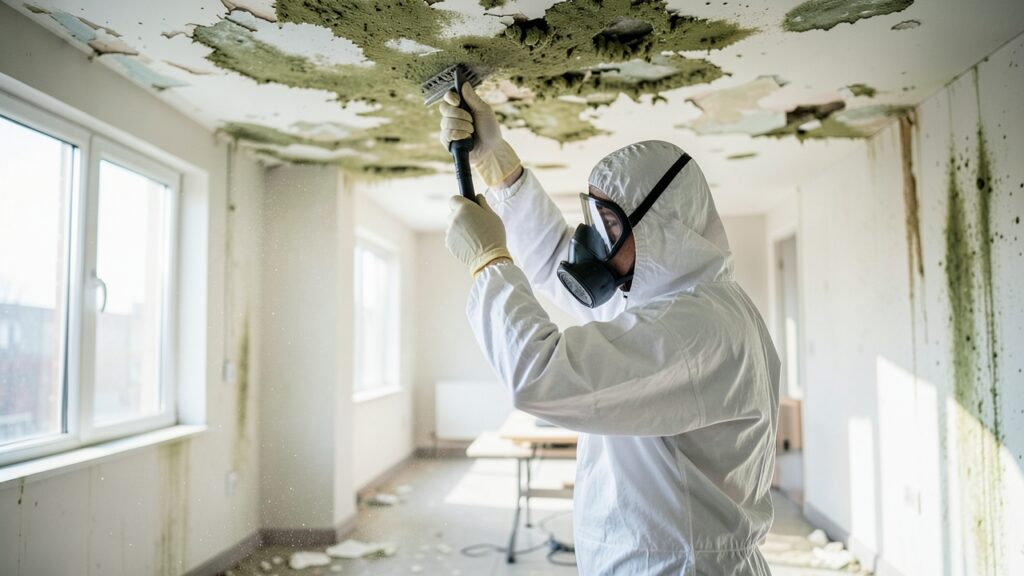
Last summer, a homeowner called me out to a property that had suffered an unusually persistent mold problem despite previous cleanup attempts. The culprit? Not just ordinary moisture, but a perfect storm of local weather patterns—high humidity combined with frequent temperature swings—that created ideal conditions for mold to thrive beneath the surface. That case reminded me how much the local climate shapes both the risks and the solutions in mold remediation.
Table of Contents
- Why Mold Remediation Isn’t Just About Removing Mold
- Practical Mold Prevention Tips for Homeowners That Really Work
- Why Most Companies Tell You to Use Bleach — And Why I Don’t
- How Much Does Mold Remediation Cost in This Area? What You Should Really Expect
- Summary: What You Need to Know About Mold Remediation
- What Should You Do Next? A Clear, Reliable Path Forward
- Why Trust Matters More Than Price in Mold Remediation
- Final Thoughts
After years of handling jobs in this area, I can tell you exactly why standard mold removal and cleanup advice often falls short here. The seasonal shifts, heavy rainfall, and even the way homes are built around here all influence how mold grows and hides. I’ve seen situations where a rushed fix left unseen spores behind, only for the mold to return stronger because the unique weather factors weren’t factored into the strategy.
The short answer: effective mold remediation services need to be tailored to the local environment. From the initial mold inspection and testing through to the removal and prevention steps, understanding these subtle yet impactful climate influences can make the difference between a job well done and one that only offers a temporary fix. I’ve been doing this long enough to know that context matters here—both in identifying mold sources and recommending solutions that will hold up through our challenging weather cycles. For more information, see our guide on Can I perform mold remediation myself or should I hire a professional?.
How exactly does local weather affect your mold remediation needs? And what should you watch out for when planning mold removal and cleanup in this area? I’ll break down what I’ve learned on the job.
Mold remediation in our local climate is challenged by high humidity and frequent temperature fluctuations, which promote persistent mold growth and complicate drying processes. Effective remediation requires tailored moisture control and thorough inspection to address hidden mold in building materials.
Why Mold Remediation Isn’t Just About Removing Mold
The short answer: mold remediation is a lot more than simply killing or scrubbing mold off surfaces. After doing this work repeatedly, I’ve learned that many people—and even some professional mold remediation companies—underestimate how critical addressing the underlying causes is to achieving lasting results. You can blast away the visible mold, but if you don’t fix the moisture problem fueling it, the mold will come back. For more information, see our guide on The Real Deal on County Mold Permits for Oakland Park, FL Mold Remediation.
I remember a case where a homeowner spent thousands on black mold removal cost alone, but within six months, new patches appeared behind drywall. Turns out, the real culprit was a slow leak in the bathroom plumbing that wasn’t repaired during remediation. The mold wasn’t the disease—it was the symptom.
From my experience, effective mold remediation involves:
- Identifying and correcting moisture sources such as leaks, condensation, or poor ventilation.
- Containing the affected area to prevent spores from spreading during cleanup.
- Safe removal or treatment of contaminated materials.
- Thorough cleaning with specialized equipment to capture microscopic spores.
- Post-remediation verification to confirm the environment is safe and dry.
- Drywall removal alone doesn’t solve the problem. Mold roots (mycelium) penetrate porous materials deeply. Even if you remove a sheet or two of drywall, mold can remain behind insulation, wood framing, or inside wall cavities.
- Simply spraying bleach or fungicides often causes more harm than good. Bleach kills surface mold but doesn’t penetrate deeply and can increase moisture, exacerbating problems.
- Containment is often overlooked or rushed. Without proper sealing and negative air pressure, mold spores escape and contaminate other parts of the home, making cleanup longer and more expensive.
- Persistent musty odors that don’t go away with cleaning or ventilation.
- Visible discoloration or fuzzy patches on walls, ceilings, floors, or behind appliances.
- Condensation or water stains on windows, walls, or ceilings.
- Increased allergy-like symptoms (sneezing, coughing, headaches) especially when inside the house.
- Warping, bubbling, or peeling paint or wallpaper.
- Control moisture like your life depends on it. Mold thrives where there’s dampness. Fix leaks ASAP, whether it’s a dripping pipe or a slow roof leak. Don’t let water sit on floors or in basements. I’ve had clients who delayed fixing a small bathroom leak for months, only to find mold hidden behind the walls later.
- Ventilate bathrooms and kitchens properly. Fans that vent to the outside reduce humidity spikes. If your home doesn’t have these, consider installing them. Simply opening a window isn’t enough in humid climates.
- Use a dehumidifier in basements or crawl spaces. I recommend keeping indoor humidity between 30-50%. According to the Environmental Protection Agency (EPA), maintaining this range helps prevent mold growth.
- Clean HVAC systems regularly. Dust and moisture in ducts can become mold hotspots. Replace filters on schedule and get periodic professional duct cleanings.
- Don’t ignore condensation. Windows, pipes, or walls that sweat are warning signs. I tell homeowners, “If you see water, don’t just wipe it — find out why it’s there.”
- Don’t ignore visible mold or musty odors. Even small patches can be the tip of a larger problem.
- Schedule a professional inspection. I offer free estimates for assessments, which helps you understand the scope without any pressure. This step is vital because what you see isn’t always what you get.
- Ask detailed questions about the proposed remediation plan. How will the mold be contained? What are the best mold removal methods you’ll use? How do you handle water damage cleanup? A professional should explain their step-by-step process clearly.
- Be wary of low-ball offers that skip containment or fail to address moisture issues. I’ve seen shortcuts cause mold to come right back, wasting money and time.
- Make sure your contractor is licensed and insured. This protects you in case the job isn’t done right or new problems arise.
- Check on guarantees or warranties. Everything I do comes with a one-year warranty on labor. If mold reappears or you have issues, I’ll come back and fix it at no extra cost.
Skipping any of these steps is a shortcut that compromises the entire job. Most homeowners focus on visible mold alone, unaware that the hidden moisture problem is the real threat. For more information, see our guide on Why Wilton Manors Mold Issues Solutions Need a Different Approach Than You Think.
What Most Companies Don’t Tell You About Mold Removal
Most companies tell you mold remediation is straightforward—cut out the moldy drywall, spray some fungicide, and you’re done. Here’s what I’ve actually found doing this work, day in and day out: That approach usually leads to incomplete solutions and repeat visits.
Here’s the truth:
I’ve switched to a more meticulous approach that involves thorough moisture mapping, controlled demolition, HEPA vacuuming, and air scrubbing. It takes longer and costs more upfront, but it prevents costly callbacks or health issues down the line.
How to Recognize Signs of Mold in Your Home Before It Gets Worse
Many homeowners don’t realize mold has taken hold until the effects of mold on health start showing or structural damage becomes obvious. Knowing the subtle signs helps catch problems early when remediation is simpler and less expensive.
Watch for:
If you notice several of these signs combined with a history of leaks or high humidity, it’s time to call in an expert. I’ve had clients describe a “funny smell” for months before realizing it was mold growing behind their kitchen cabinets. Acting fast can reduce black mold removal cost significantly because damage won’t be as advanced.
Mold remediation is a science and an art. It’s about knowing where mold hides, what feeds it, and how to fully eradicate it—not just mask symptoms. My approach, based on hands-on experience, avoids false shortcuts and focuses on durable, complete results. That’s how you truly protect your health and your home.
Practical Mold Prevention Tips for Homeowners That Really Work
Most homeowners think mold remediation ends once the visible mold is removed. Not true. Prevention is the second, equally critical part of the story. From what I’ve seen in hundreds of jobs, the best prevention isn’t fancy equipment or expensive treatments — it’s straightforward, consistent maintenance and quick action.
Here are a few mold prevention tips for homeowners that I share often because they actually work:
The short answer: prevention isn’t a mystery. It’s about watching your home closely and acting quickly. The EPA offers great resources on this, but I’ve found that the best prevention is what you see and smell in your own home, not just what you read.
Why Most Companies Tell You to Use Bleach — And Why I Don’t
You’ll see most guides recommend using bleach to kill mold. It’s the classic advice. The standard approach on this is “bleach everything.” I stopped doing it that way years ago after seeing too many failed remediations and repeat calls.
Here’s the thing: bleach only works on non-porous surfaces like tile or glass. When used on porous materials — drywall, wood, or ceiling tiles — the bleach’s solution can’t penetrate deeply, leaving mold roots intact. This means the mold often comes back, stronger.
Plus, bleach can damage surfaces and produce harsh fumes. I’ve had customers complain about headaches and irritation after DIY bleach jobs, but the mold kept growing anyway. That’s a lose-lose.
Instead, I use professional-grade antimicrobial treatments designed for porous materials, combined with thorough removal of affected building materials if needed. This method aligns with industry best practices recommended by the Institute of Inspection, Cleaning and Restoration Certification (IICRC). Their S520 Standard for Professional Mold Remediation emphasizes removal over just surface cleaning.
I’m upfront about this with every customer. If you want a quick fix with bleach, I’ll tell you that’s usually not enough. Done right, my work includes follow-up checks — if mold returns, I come back without extra charge. I stand behind everything I do with a solid warranty on labor, so you’re not left wondering if the problem is solved.
How Much Does Mold Remediation Cost in This Area? What You Should Really Expect
One of the most common questions I get on the phone is, “How much does mold remediation cost around here?” It’s a fair question, but the answer isn’t straightforward because every job is different.
Here’s what I’ve learned: most mold damage repair services in my area run about $1,000 to $4,000 for typical home jobs, but it can be more if there’s extensive water damage or hidden mold behind walls. Sometimes, I’ve done smaller jobs under $500; other times, I’ve seen remediation costs top $10,000 when structural repairs are needed.
What most people don’t realize is that price transparency and honest estimates are vital. I always provide a free detailed estimate before any work begins. I explain what’s included and what might add to the cost, like replacing drywall or treating HVAC systems.
Also, quick response matters. Mold can spread fast. For urgent calls, I’m usually available same-day or next day. Waiting too long can turn a $1,200 job into a $5,000 one.
If you want to avoid surprises, ask your remediation expert for a clear breakdown and warranty on the work. I back my work with a one-year labor warranty. If something isn’t right, I come back — no questions asked.
For homeowners wondering about how to decide when to call a professional or try DIY, I put together a practical guide explaining when professional help is necessary: [Can I perform mold remediation myself or should I hire a professional?](https://
Summary: What You Need to Know About Mold Remediation
After working on hundreds of mold remediation jobs, I’ve learned a few truths that most folks don’t hear upfront. Mold isn’t just an eyesore or a simple cleanup job. It’s a hidden problem that can worsen quickly if ignored or handled poorly. The best mold removal methods aren’t about scrubbing visible spots alone—they require a thorough, step-by-step process that addresses moisture, containment, and air quality.
Mold cleanup after water damage is a common scenario I deal with. The key is quick action. The longer you wait, the more stubborn and widespread the infestation becomes. Sometimes, by the time I arrive, the damage has spread into wall cavities or under flooring, which makes the work more invasive and expensive. That’s why I always recommend acting as soon as you spot signs of mold or suspect water intrusion.
Understanding the indoor mold removal process helps you ask the right questions and spot shortcuts or red flags. I’ve seen too many homeowners get stuck with incomplete solutions that leave spores behind or don’t fix the moisture problem. Mold returns, frustration builds, and costs pile up. I’m upfront about what a job entails from inspection to final clearance testing, so you know exactly what you’re paying for.
What Should You Do Next? A Clear, Reliable Path Forward
If you suspect mold in your home or office, here’s a simple plan that works:
Here’s the thing: mold remediation isn’t always the right fit for every situation. Sometimes, the damage is minor enough that DIY cleanup with proper protective gear and cleaning agents works. If you want to explore that, check out my detailed post on whether you can perform mold remediation yourself or should hire a professional. But if the mold is widespread, hidden behind walls, or you have health concerns, professional help is the safest bet.
Why Trust Matters More Than Price in Mold Remediation
I get calls all the time asking, “How much does mold remediation cost in this area?” The short answer: it varies widely. Some minor jobs run a few hundred dollars; full-scale remediation after major water damage can push into the thousands. What really matters is transparency. I give free, all-inclusive estimates upfront and explain every charge. No surprises.
Also, I’m usually available same-day for urgent mold problems. Mold moves fast, and if you wait even a couple of days after water damage, the cleanup becomes tougher. Being able to respond quickly can save you thousands and prevent long-term health issues.
One time, I responded to an emergency call where the family had just discovered mold in their crawl space after a pipe burst. I got there the same afternoon, contained the area, and started drying things out immediately. That quick response made all the difference—what could have been a massive, costly nightmare stayed manageable.
People Also Ask
What is mold remediation and why is it important?
How do professionals detect mold in a home?
Can I remove mold myself or should I hire a professional?
How long does mold remediation typically take?
How can I prevent mold from returning after remediation?
❓ Frequently Asked Questions
Final Thoughts
Mold remediation isn’t just about removing a stain from the wall. It’s about understanding the hidden risks, addressing the root causes, and committing to a thorough, reliable process. Be cautious with anyone who promises a “quick mold cleanup” without a clear plan or who won’t stand behind their work.
If you want trustworthy, professional service backed by a labor warranty and transparent pricing, feel free to reach out. I’m here to take the mystery out of mold and get your home safe and healthy again. And if I don’t think mold remediation is the right fit for your situation, I’ll tell you straight up—that’s part of being honest with my customers.
For more insight on specific local issues, like how salt air affects mold in coastal homes, you might find this post helpful: [Why Salt Air Makes Mold Remediation in North Lauderdale Homes Different](https://fort