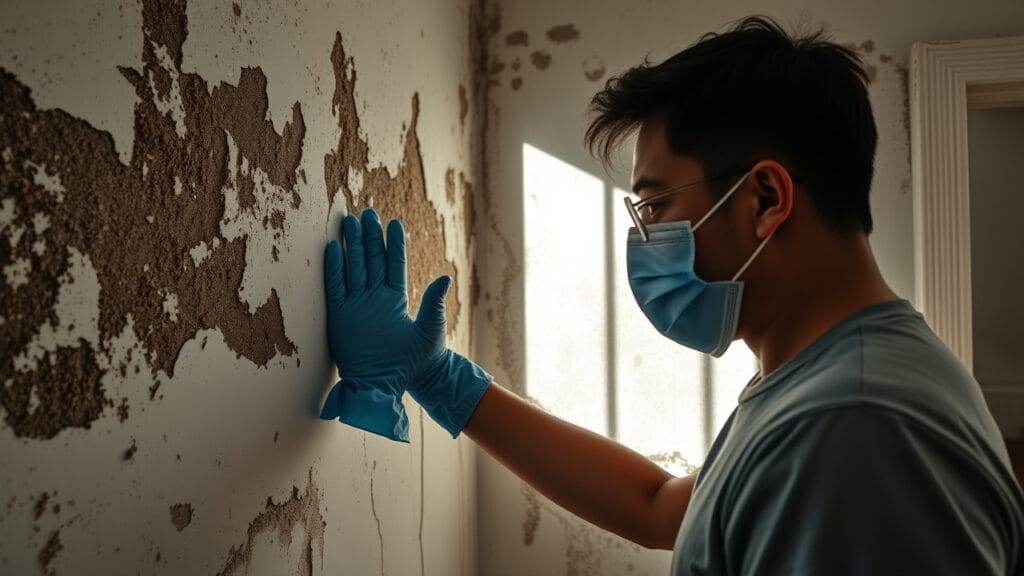
Mold vs Mildew Difference — What Fort Lauderdale Homeowners Need To Know
After 200+ Fort Lauderdale jobs, I can tell you exactly why the standard advice on mold vs mildew difference misses the mark — and it has nothing to do with just color or smell. I’ve handled molds and mildews from Harbor Beach condos to homes near Hugh Taylor Birch State Park, and the patterns I’ve seen go beyond the surface. I’ve been licensed and insured for 12 years here, so I’m not guessing — this is what I see up close.
People often ask, “Is mildew dangerous?” or “How do I tell mold from mildew on my walls?” I get it. Around Wilton Manors and Sailboat Bend especially, it can get humid fast, and spotting the difference can feel impossible. But getting it wrong can lead to more damage than you expect — and bigger health risks than many think.
Mold and mildew are both types of fungi that thrive in damp environments, but mold typically appears as fuzzy, darker patches and can penetrate surfaces causing structural damage, while mildew is powdery, white or gray, and usually affects only surface areas. Fort Lauderdale homeowners should address both promptly to prevent health risks and property damage.
The Part Most Companies Skip: Why Color and Location Aren’t Enough
Most companies tell you mold or mildew are easy to tell apart by color — mildew is white or gray, mold is black or green. Here’s what I’ve actually found after 200+ jobs: that’s only part of the story, and relying on it can land you in trouble. I’ve seen so-called “mildew” on walls that turned out to be toxic black mold once we tested it.
The truth is, mildew is a type of surface fungal growth, often powdery or flaky, and it stays mainly on top of materials like drywall or wood. Mold tends to penetrate deeper into materials — it roots into porous surfaces and can cause structural damage. That’s why I always recommend professional mold testing in Fort Lauderdale before you decide what you’re dealing with.
Another thing I see: many DIY guides say bleach kills mildew and mold alike. In Fort Lauderdale’s humidity, bleach may lighten the surface but won’t get rid of mold roots, especially if there’s water damage involved. That’s why in my black mold cleanup services, I use EPA-registered products like Sporicidin and specialized HEPA filtration equipment to not just treat but remove the mold safely.
The Local Twist: Fort Lauderdale’s Humidity and Hurricane Season Make a Difference
Here in Fort Lauderdale, Florida, humidity is a constant player. After a storm or during our intense rainy season, the pattern I always see is water damage followed by fast mold growth, especially in older homes around Poinsettia Heights and Tarpon River. Many of these houses have wood framing and drywall that soak up moisture, turning walls into mold breeding grounds within days.
Also, the soil drainage in some parts of Fort Lauderdale can keep basements and crawl spaces damp longer than you’d expect. That’s one reason I always recommend a professional mold inspection in Fort Lauderdale — you wouldn’t want to miss hidden mold behind your walls or under your flooring.
Permitting can also be tricky around HOA-controlled neighborhoods in Fort Lauderdale, so I make sure to help clients understand local building codes when water damage and mold removal leads to repairs or rebuilds.
Is Mildew Dangerous to Health? Here’s What You Should Know About Mildew vs Mold Health Risks
The short answer: mildew usually isn’t as dangerous as mold, but that doesn’t mean it’s harmless. Mildew often causes minor irritation, like sneezing or mild allergic reactions, but it rarely produces mycotoxins — the harmful substances mold can release.
Mold, especially black mold species, poses a serious health risk. I’ve seen clients from Tarpon River to Wilton Manors with respiratory issues, headaches, and even chronic fatigue linked to mold exposure. If you or your family start showing symptoms after noticing “mold or mildew on walls,” don’t wait it out.
Here’s a quick rundown to keep in mind:
- Mildew: Surface growth, powdery or fluffy, usually white, gray, or yellow; mild irritant
- Mold: Penetrates materials, colors vary from black, green, brown, or blue; can produce toxins harmful to health
- Health effects: Mold exposure symptoms range from allergies to more serious lung issues; mildew is mostly a nuisance but can worsen allergies
How to Tell Mold from Mildew on Walls: Three Practical Steps You Can Try Today
Here’s what I tell homeowners when I’m on a call and they want to know how to tell mold from mildew before I arrive:
- Look closely at texture. Mildew is usually powdery or fluffy and stays on the surface. Mold often looks fuzzy or slimy and can have a musty smell.
- Check the color carefully. Mildew tends to be lighter shades like gray or white, while mold is darker—black, green, or sometimes reddish.
- Perform a simple test. Dab a little diluted vinegar on the spot. Mildew tends to respond quickly and may lighten or disappear with this home remedy, while mold usually won’t.
If you suspect mold, don’t waste time. It’s best to arrange a professional mold inspection Fort Lauderdale residents trust, especially if the spot is large or keeps coming back after cleaning. I always advise getting a sample tested because treatment changes depending on what mold species you’re dealing with.
What a Fair Price Actually Looks Like for Mold Testing and Removal in Fort Lauderdale, FL
When people ask me, “How much does mold remediation cost in Fort Lauderdale?” I tell them there’s no one-size-fits-all. Most mold or mildew on walls treatment here runs between $500 and $3,000 depending on the size, location, and type of mold — plus any water damage repairs.
For testing alone, expect $200–$500 if you go through a professional mold inspection. I handle water damage and mold removal work and always give free estimates to break down costs clearly. If it’s not worth fixing, I’ll tell you straight up — no upsells or extra charges later.
For emergency mold removal, I’m usually available same-day, especially during hurricane season when demand spikes. And I back my work with a 2-year warranty on labor. That’s not standard in this industry around here, but I stand behind what I do.
Brands and Tools That Make a Difference in Mold Remediation
In my experience, the cleaning agents and equipment you use matter. I rely heavily on products like Concrobium and Sporicidin for mold and mildew treatments — both are EPA-registered and effective without harsh chemical residues.
For air purification during remediation, I use HEPA filtration systems from trusted brands that capture even microscopic spores. This is a step many companies skip but is key to preventing spores from spreading throughout the home, especially in multi-story homes around Sailboat Bend.
Having the right gear is one thing, but how you use it is critical. I’ve seen cases where cheaper products were sprayed over mold, only for it to return within weeks, causing more damage and health risks.
Signs of Mold in Your Fort Lauderdale Home You Shouldn’t Ignore
Here’s a quick checklist of warning signs I’ve learned to recognize quickly—some homeowners might miss these:
- Musty or damp odors, especially in basements or bathrooms
- Visible discoloration or fuzzy spots on walls, ceilings, or near windows
- Warping, bubbling, or paint peeling on drywall
- Increased allergy symptoms or respiratory irritation when indoors
- Condensation or water stains after storms or high humidity spells
If you notice any of these, I recommend reading up on Signs of Hidden Mold in Fort Lauderdale, FL: What to Watch For. It’s a good resource to understand what might be lurking out of sight.
FAQ: Mildew vs Mold Health Risks and Treatment
Is it safe to clean mold or mildew myself?
Small patches of mildew can sometimes be cleaned with vinegar or specialized mildew cleaners. But if you’re dealing with mold deeper in walls or black mold, DIY treatment won’t do the job and can expose you to spores. For anything bigger than a few square feet, professional remediation is safer.
How soon does mold appear after water damage in Fort Lauderdale?
In our humid climate, mold can begin to grow within 24 to 48 hours after water intrusion. That’s why prompt water damage and mold removal can save you thousands in repairs down the line.
How do I prevent mold growth in Florida homes?
Keep humidity below 60%, fix leaks promptly, use dehumidifiers if needed, and ensure proper ventilation. I’ve seen many homes near Bonnet House where poor airflow led to mold behind walls. Using exhaust fans in bathrooms and kitchens helps, as does inspecting roof and window seals before hurricane season.
That’s the practical truth about mold vs mildew difference and health risks here in Fort Lauderdale. If you want to get deeper into how mold remediation works or what to expect, I’ve written a straightforward step-by-step guide at Mold Remediation Process Steps in Fort Lauderdale. It covers everything from initial inspection to final clearance testing.