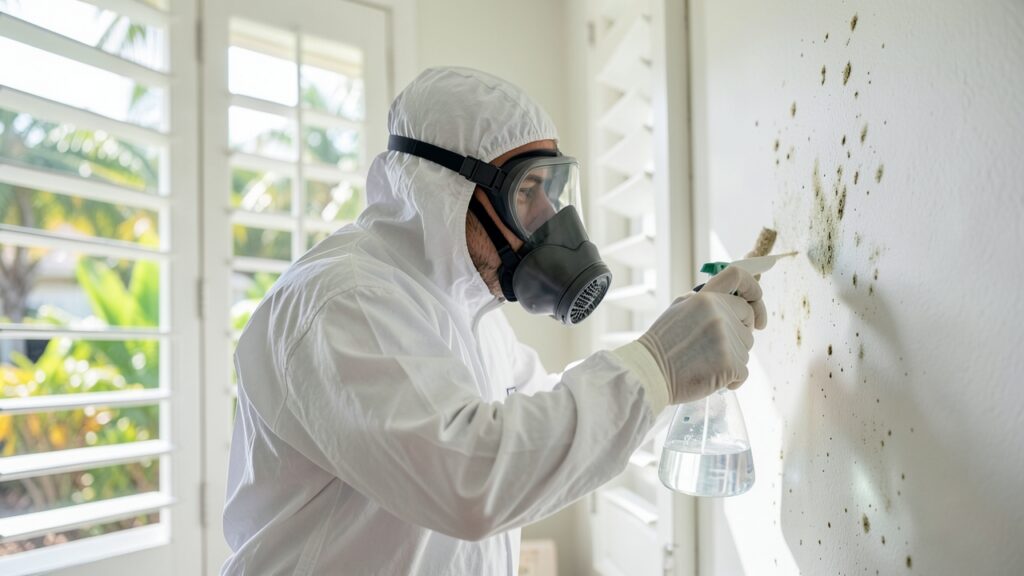
Mold Remediation Process Steps in Fort Lauderdale, FL
If you’ve spotted mold growing on a wall or smelled that musty odor creeping through your home in Victoria Park, you’re probably wondering how professional mold removal works and what it takes to knock it out for good. Mold in Fort Lauderdale is no joke—our humid climate keeps it thriving if left unchecked. But the fix isn’t just about scrubbing visible spots; there’s a careful process behind safe, thorough mold remediation that protects your home and family.
The mold remediation process in Fort Lauderdale, FL, involves inspection and assessment, containment of affected areas, removal of mold-infested materials, thorough cleaning and sanitization, and final verification to ensure mold elimination. Certified professionals use specialized equipment and techniques to safely restore indoor air quality and prevent future mold growth.
The Difference Between Mold Remediation and Removal: Why It Matters
People often ask me what the difference is between mold remediation and mold removal. The short answer is: mold removal means wiping away mold you see, but remediation is much more involved. It’s about identifying the source of moisture, isolating the affected areas, and stopping mold from coming back. Resources like official guidelines can help.
I had a customer in Sailboat Bend who tried to DIY mold removal with bleach after a small leak under the kitchen sink. The mold disappeared on the surface, but it came back within weeks. That’s because remediation tackles far more than just the stains—it addresses the root cause, uses specialized gear, and follows strict containment steps.
So, if you want a lasting fix, you need professional mold remediation in Fort Lauderdale. It’s not just about cleaning; it’s about restoring your indoor air quality and your peace of mind.
What Happens During the Professional Mold Removal Process?
Most of the time, when I walk into a job near Fort Lauderdale Beach or Flagler Village, the homeowner is overwhelmed. Here’s how I break down the steps in mold remediation:
- Inspection and Assessment: I start with a thorough Fort Lauderdale mold inspection service, checking all suspect areas—behind drywall, under flooring, even inside HVAC ducts. Sometimes there’s hidden mold you can’t see.
- Mold Containment and Negative Air Pressure: This is a critical step. I set up containment barriers to seal off the affected zone. Using negative air machines, I create lower air pressure inside that space so mold spores don’t escape into the rest of your home. This mold containment and negative air pressure technique is non-negotiable for safe removal.
- HEPA Filtration in Mold Removal: While working, I run HEPA filtration units that capture microscopic spores. These filters trap particles down to 0.3 microns, removing the smallest mold spores from the air you breathe.
- Removal of Mold-Damaged Materials: Some materials like drywall or carpet become too contaminated and must be removed. This is where mold remediation differs from just cleaning—you often have to tear out and replace affected parts.
- Cleaning and Sanitizing: I clean structural components with specialized anti-microbial agents. Then, I use air scrubbers to clear the last bits of spores from the air.
- Drying and Prevention: Mold loves moisture, so I make sure everything is completely dry and address any leaks or humidity issues to prevent mold growth after remediation.
How Long Does the Mold Remediation Process Take?
In my experience, most jobs take somewhere between one and three days, depending on the size of the area and how bad the contamination is. For a typical home in Harbor Beach, I’d say around two days is average. It’s not a quick spray-and-wipe job; every step takes time to do right.
Why Fort Lauderdale’s Climate Makes Mold Remediation Tricky
Humidity here stays pretty high year-round, especially near Lauderdale-by-the-Sea. That means mold grows faster and spreads more easily than in drier parts of the country. Also, many older homes around NSU Art Museum have less-than-ideal ventilation and outdated plumbing, which can hide leaks for months.
One job I did in Flagler Village involved mold behind newly installed drywall—turns out a slow leak in the AC drain line had gone unnoticed during a renovation. Without prompt mold remediation and mold containment negative air measures, the spores would have spread throughout the living space.
So, you can’t just slap on an over-the-counter cleaner and hope for the best. Proper equipment, like HEPA filtration mold remediation tools and negative air machines, combined with a local understanding of Fort Lauderdale’s building quirks, is essential to stop mold safely and permanently.
Spotting a Pro vs. a Pretender: Mold Remediation Equipment and Techniques
When you’re shopping around for mold remediation Fort Lauderdale providers, watch for the red flags. Some companies skip the containment step or don’t use HEPA filtration to save time and money. That’s a short-term fix that risks spreading spores elsewhere.
Ask if they use negative air pressure and how they handle mold-damaged materials. If they dodge these questions or promise a one-day miracle, walk away. I always explain the professional mold removal process fully before starting work so homeowners know what to expect.
Another tip: ask about licensing and insurance. I’m licensed and insured right here in Fort Lauderdale, and that means you’re protected if anything unexpected happens during the job.
How Much Does Mold Remediation Cost in Fort Lauderdale?
Price varies a lot depending on damage extent, but from what I’ve seen, most jobs around here run somewhere in the $1,200 to $3,500 range. If you only have minor surface mold, it might be less, but bigger infestations—especially black mold removal services in Fort Lauderdale—can go higher.
Don’t let cost scare you off. Untreated mold can cause serious health issues and damage that costs a lot more down the line. I’m happy to give you a clear estimate after the first inspection so you know exactly what you’re getting into.
Signs of Mold Contamination at Home: When to Call for Help
- Visible mold growth on walls, ceilings, or floors
- Musty, earthy odors that don’t go away
- Water stains or discoloration on drywall
- Health symptoms like sneezing, headaches, or respiratory irritation when at home
If you notice any of these, don’t wait. Mold can spread fast in Fort Lauderdale’s climate. You’ll want to reach out for Fort Lauderdale mold inspection services quickly to stop the problem before it gets worse.
For a deeper dive on identifying tricky black mold, check out my post How to Identify Black Mold in Fort Lauderdale, FL: What You Need to Know. Knowing what you’re dealing with makes a big difference.
Wrapping It Up: What to Do Next
Here’s the thing: mold isn’t just ugly—it’s a health hazard and a threat to your property value. I’ve been handling mold remediation in Fort Lauderdale for years, and I’ve learned that the right process steps, from containment to HEPA filtration and moisture control, make all the difference.
If you’re dealing with mold near Hugh Taylor Birch State Park or anywhere else in the city, don’t hesitate. Mold damage restoration experts aren’t just a luxury—they’re a necessity to protect your home and health. Reach out, and we can get started on restoring your space safely and professionally.