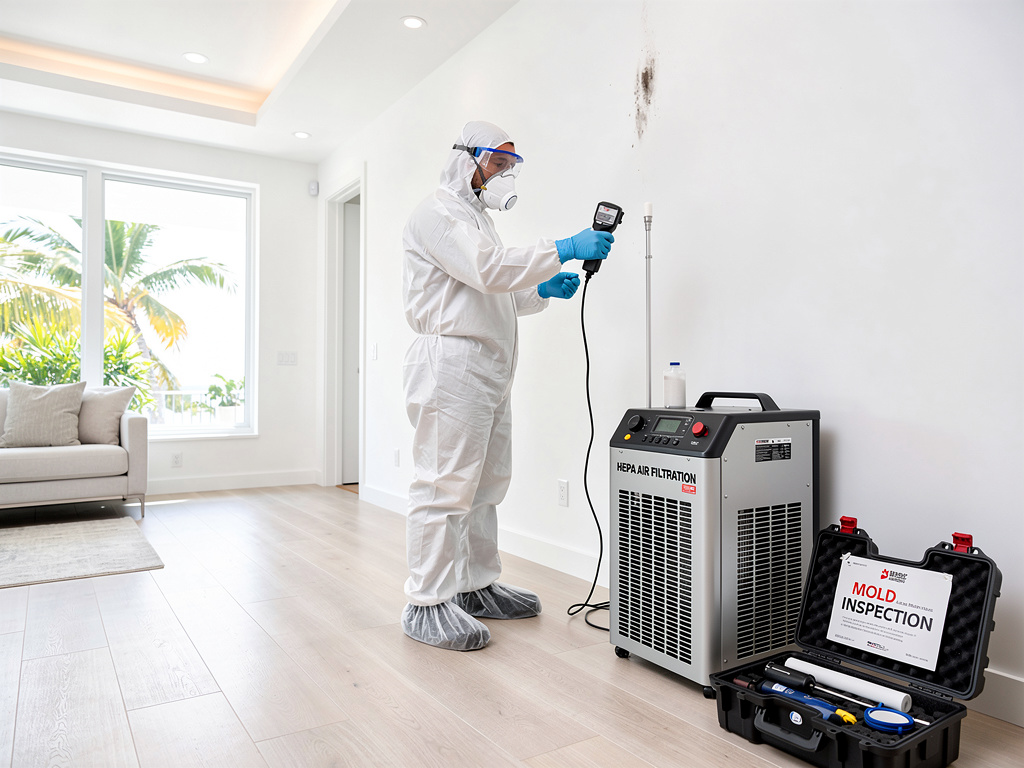
How to Identify Black Mold in Fort Lauderdale, FL: What You Need to Know
Walking into a damp basement or a musty closet and spotting dark patches can send any homeowner spiraling. I’ve been in Fort Lauderdale for over a decade, dealing hands-on with mold remediation, and one question I hear constantly is, “How do I tell if this is black mold?” Black mold, or Stachybotrys, gets a bad rap—and not without reason. But sorting out stachybotrys vs other mold types isn’t always straightforward. Let me share what I’ve learned from the trenches, especially in our humid South Florida climate.
To identify black mold in Fort Lauderdale, FL, look for dark greenish-black patches on walls, ceilings, or damp areas, accompanied by a musty odor and potential health symptoms like coughing or headaches. Testing by a certified mold remediation professional is recommended to confirm its presence and ensure safe removal.
What Black Mold Really Looks Like—And Why It’s Tricky
First off, black mold isn’t always pitch black. I’ve seen it range from dark green to almost black, sometimes even with a slimy texture. One call I took just off Las Olas Boulevard involved a homeowner who thought the dark spots on their drywall were just dirt. After a quick inspection, it turned out to be toxic black mold. The signs? It usually grows in spots with consistent moisture: under sinks, behind walls, or on ceiling tiles, especially after leaks or flooding.
When I’m asked about black mold appearance signs, I tell folks to look for patches that are irregular and slimy-looking, not just dusty or powdery. Sometimes it has a musty odor that’s hard to ignore. According to official guidelines, but honestly, how to identify black mold just by sight isn’t foolproof. That’s why I always recommend professional mold inspection and testing here in Fort Lauderdale—especially if you see something suspicious near areas prone to water damage.
In neighborhoods like Imperial Point or Harbor Beach, where older homes mix with new builds, moisture issues vary, but the risk of hidden mold isn’t any less. Our tropical climate means even small leaks can turn into mold problems fast.
Is Black Mold Dangerous? What Happens When You’re Exposed
The short answer is yes, black mold can be dangerous—especially certain strains of Stachybotrys. When spores become airborne, they may cause allergic reactions or respiratory problems. I had a client in Coral Ridge who suffered from persistent sinus issues until we found and removed toxic black mold from inside their wall cavities.
What most people don’t realize is that not all molds that look black are necessarily harmful, but it’s safest to treat suspected black mold seriously. Health effects of black mold exposure can range from mild irritation to severe asthma attacks, particularly for kids, the elderly, or those with weakened immune systems.
If you’re wondering, “Is it safe to stay in a house with black mold?”, my advice is to minimize exposure and get professional help fast. Emergency mold remediation services are an option when mold growth seems aggressive or widespread, something I’ve seen more often after storms that hit Downtown Fort Lauderdale.
Stachybotrys vs Other Mold Types: How I Tell Them Apart
Distinguishing stachybotrys from other mold types isn’t always as simple as color or texture. I carry a moisture meter and sometimes take samples back to my lab when the situation isn’t clear. Black mold typically needs cellulose-rich materials—like drywall or paper backing—and high humidity to thrive. Other molds, like aspergillus or cladosporium, might grow in less soggy spots and appear more powdery or fuzzy.
One memorable job in Lauderdale-by-the-Sea had me crawl into a crawl space layered with thick mold that looked black at first glance. Testing showed it was mostly harmless surface mold, but the homeowner wanted a complete mold removal and prevention plan. That’s the kind of thorough work my mold damage restoration company is known for around here.
How much does mold remediation cost in Fort Lauderdale, FL?
Prices vary, but from my experience, mold remediation in this area often runs between $1,200 and $4,000, depending on the extent of contamination and accessibility. Small black mold removal services might only take a couple of hours, while larger jobs with water damage restoration involved can stretch over several days.
Spotting a Good Mold Remediation Team
Here’s the thing: anyone can claim they do mold remediation, but you want a licensed, insured, and experienced pro who understands Fort Lauderdale’s unique challenges. Ask if they provide mold inspection and testing, because that’s the only way to confirm what you’re dealing with. Beware of companies that guarantee instant results or offer ridiculously low prices—they usually cut corners.
When I’m called out, I always walk the client through the entire process, from identification to cleanup to prevention tips. If they don’t take the time to explain why black mold is dangerous or can’t show how they’ll protect your home during removal, that’s a red flag.
Some mold removal and prevention tips I share with locals:
- Fix leaks and address moisture problems immediately.
- Use dehumidifiers, especially during our humid summers.
- Ventilate bathrooms and kitchens well.
- Keep an eye on signs of mold growth in home—musty smells and discoloration.
- Schedule regular inspections if your property has a history of mold issues.
Why Fort Lauderdale’s Climate Makes Mold Cleanup Different
Our hot, humid environment isn’t just tough on personal comfort; it’s mold’s playground. After heavy rains or hurricanes, I get flooded calls from neighborhoods like Coral Ridge and Downtown Fort Lauderdale. Buildings here often have older plumbing or roofs that leak, making mold damage restoration a regular part of home maintenance.
Even newer construction can struggle if ventilation isn’t right. That’s why professional mold cleanup services in Fort Lauderdale have to be thorough, using containment systems and air scrubbers tailored to our conditions. I can’t count how many times I’ve removed mold from Stranahan House or nearby historic homes, where preserving both structure and health is crucial.
When you’re facing mold, don’t wait until it spreads. If you spot suspicious patches or notice health issues that might be related, get a pro inspection sooner rather than later. For more on what symptoms to watch for, check out this rundown on Mold Exposure Symptoms in Fort Lauderdale, FL.
FAQ
How do I start if I suspect black mold at my home or business?
Start by limiting access to the affected area and avoid disturbing the mold, which can release spores. Next, call a licensed mold remediation specialist to perform a thorough inspection and testing. DIY cleanup can make things worse if the mold is toxic.
Can black mold grow anywhere in Fort Lauderdale homes?
Anywhere moisture lingers is a potential mold hotspot. Basements, crawl spaces, attics, behind wallpaper, or under sinks are common. Our local humidity means even small leaks can fuel growth quickly.
Is mold removal a one-time fix?
Effective mold remediation includes removal, drying, and prevention. Without addressing moisture sources, mold will come back. That’s why I always recommend ongoing prevention steps and periodic inspections.
If you’ve been stuck wondering about black mold appearance signs or worried about toxic black mold identification, I’m here to help. Whether you live near the Fort Lauderdale Antique Car Museum or in the heart of Imperial Point, you don’t have to face mold problems alone. Reach out before a small patch turns into a major headache. I’m ready to get hands-on and help protect your home and health.