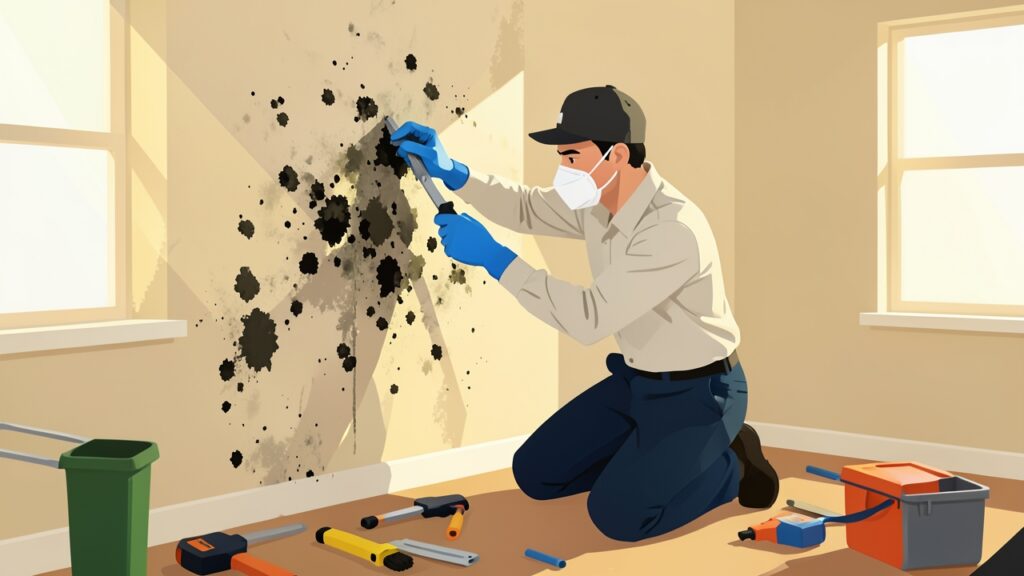
Mold Remediation in Parkland, FL: What You Really Need to Know
I’ve handled mold remediation in Parkland, FL more than 200 times over 25 years. The biggest mistake I see turning a manageable mold issue into a costly nightmare is underestimating how deep the problem goes beneath the surface. That’s the kind of thing most guides don’t warn you about—and it’s not just about visible mold. I’ve been licensed and insured for a quarter-century here, so I know what that hidden mold looks like and why quick fixes rarely work out.
Mold remediation in Parkland, FL requires prompt identification, professional removal, and moisture control to prevent health risks and structural damage. Effective remediation involves thorough inspection, containment, removal of contaminated materials, and thorough drying to ensure mold does not return. Hiring certified specialists familiar with local climate conditions ensures safe and lasting results.
Why Most Companies Tell You to Just Clean the Surface (And Why That Fails in Parkland)
Most companies tell you Mold remediation Parkland FL is as simple as scrubbing with bleach or spraying a mold remover, then sealing the area. Here’s what I’ve found after 200+ jobs: that advice works about as well as putting a bandage on a broken leg. Mold spores can embed deep in drywall, wood framing, and insulation—especially in homes built before 2000 in neighborhoods like Heron Bay or Cypress Lakes.
The standard advice on surface cleaning ignores that mold loves the humidity and wood-rich construction common in Parkland. After hurricanes, I always see mold that’s traveled through wall cavities and under flooring, way beyond what you’d guess from just looking. You need full mold inspection and remediation, not a quick spray and hope.
According to IICRC guidelines, proper remediation requires thorough containment, removal of contaminated materials, and HEPA filtration to clear the air. I follow those standards every time. If a company skips these steps, they’re leaving a mold problem to come back later—sometimes much worse.
The Parkland Factor: Why Local Humidity and Building Styles Matter
Parkland’s subtropical climate means humidity averages 70-80% for much of the year. That’s a breeding ground for mold, especially on porous materials. Add to that our seasonal hurricanes, which flood basements and crawlspaces, and you get the perfect recipe for mold infestation after storm season.
I’ve noticed that homes near Park Place or the Sanctuary often have mold issues in attics and behind baseboards caused by poor ventilation combined with high moisture. Those homes also commonly use a mix of drywall and wood framing that holds moisture longer than concrete block construction you might see further west.
After a storm, the pattern I always see is water intrusion under the flooring or walls that encourages mold growth out of sight. That’s why affordable mold removal Parkland has to include a solid inspection phase with moisture meters and sometimes borescopes. You can’t guess where mold hides here.
Professional Mold Removal vs DIY: What You’re Really Up Against
People often ask, “Is it safe to do my own mold cleanup?” I’ll be straight with you—that depends how bad your mold infestation is. For small areas under 10 square feet, you can try safe home mold remediation tips like using a mixture of vinegar and water or a product like Concrobium, which I’ve used on interior walls with decent success.
But for anything larger, especially if you see signs like musty odors, discoloration on walls, or respiratory irritation, professional mold removal is the way to go. I bring specialized HEPA filtration gear, containment barriers, and follow the EPA’s recommended mold remediation methods comparison for safe, effective removal.
Also, without proper drying equipment, mold can regrow quickly. I use industrial-grade dehumidifiers and sometimes inject antifungal treatments like Sporicidin in stubborn cases. That’s not something a typical homeowner can do safely or affordably.
Signs You Need Mold Remediation: A Diagnostic Checklist
- Musty or earthy odors inside your home, even if you don’t see mold
- Visible mold patches on walls, ceilings, or near windows and vents
- Water stains or discoloration on drywall or wood
- Allergy symptoms that worsen indoors—sneezing, coughing, headaches
- Warped or soft spots in walls, floors, or baseboards
If you spot any of these, don’t wait. Mold can damage your home’s structure and affect your health quickly, especially in humid Parkland neighborhoods like Parkland Isles or Pine Trails. The short answer: early mold testing and remediation cost less than waiting for it to spread.
What a Fair Mold Testing and Remediation Cost Looks Like in Parkland
Mold testing and remediation cost varies depending on the size and severity of the infestation. Around here, I’d say most of these jobs run between $1,200 and $5,000. Smaller jobs with surface mold cleanup might be under $1,000, but that’s rare if you want the job done right.
I give free estimates on everything. If it’s not worth fixing or if I spot minor issues, I’ll tell you straight. For urgent calls I’m usually available same-day. Plus, everything I do comes with a 3-year warranty on labor—that’s not standard in this industry but it’s how I stand behind my work.
Watch out for mold remediation companies advertising rock-bottom prices but skipping containment or moisture control. You’ll pay for that later.
Alternative Mold Removal Methods: What I’ve Seen Work and What Doesn’t
There’s all sorts of alternative mold removal methods floating around: ozone machines, DIY foggers, baking soda rinses, even essential oil sprays. I’ve seen these tried many times, especially in Parkland’s high-end homes where owners want a “green” solution.
Honestly, ozone machines and foggers only mask the smell temporarily without killing mold deep inside walls or ductwork. Baking soda and oils can help with minor surface mold but don’t touch the root cause. The only truly effective mold removal solutions address moisture control, physical removal of contaminated materials, and air filtration. The IICRC S520 standard backs this up clearly.
If you want more on best mold remediation techniques 2024, including what gear I use and when, check out my detailed guide on Best Practices for Mold Remediation and Removal in Fort Lauderdale. It’s close enough to Parkland that much of it applies directly.
How to Remove Mold Safely: Three Quick Tips You Can Use Today
- Ventilate the area. Open windows and use fans to circulate air but avoid blowing spores into other rooms.
- Wear protective gear. At minimum, use an N95 respirator, gloves, and goggles. Mold spores irritate skin and lungs.
- Contain the work area. Use plastic sheeting to prevent spores from spreading during cleanup. I use professional-grade containment for this, but even a DIY barrier helps.
If you’re tackling small mold spots on tile or non-porous surfaces, cleaning with a 10% bleach solution after removing visible mold can help. Never mix bleach with ammonia or other cleaners. And if you see mold on drywall or wood that’s soft or crumbling, that’s a signal to get professional mold remediation.
FAQ About Mold Remediation Parkland FL
How much does mold remediation cost in Parkland, FL?
Costs usually range from $1,200 to $5,000 depending on mold size and location. I offer free estimates and explain exactly what’s needed before you commit.
When should I schedule mold inspection and remediation?
Any time you notice musty smells, visible mold, or water damage. Early inspection saves money and prevents health issues.
Is it safe to stay in the house during mold cleanup?
For small jobs, usually yes with precautions. For larger infestations involving air containment, it’s best to stay elsewhere until the job’s done.
If you want to understand more about mold risks in South Florida neighborhoods, you might find my post on Mold Remediation in Coral Springs, FL useful. Coral Springs shares a lot of the same climate challenges as Parkland.
At the end of the day, mold remediation is about protecting your home and health. I’ve seen what happens when people guess or cut corners—costly repairs, poor indoor air quality, and mold that just keeps coming back. I stick to proven methods, like professional air scrubbers with HEPA filters, containment, and trusted products like Sporicidin for antifungal treatment.
Mold remediation in Parkland isn’t just a job for me—it’s something I’ve honed over 25 years, with more than 200 completed jobs to back it up. I’ll come back if something isn’t right, no questions asked. That’s how I keep your home safe and your mind at ease.