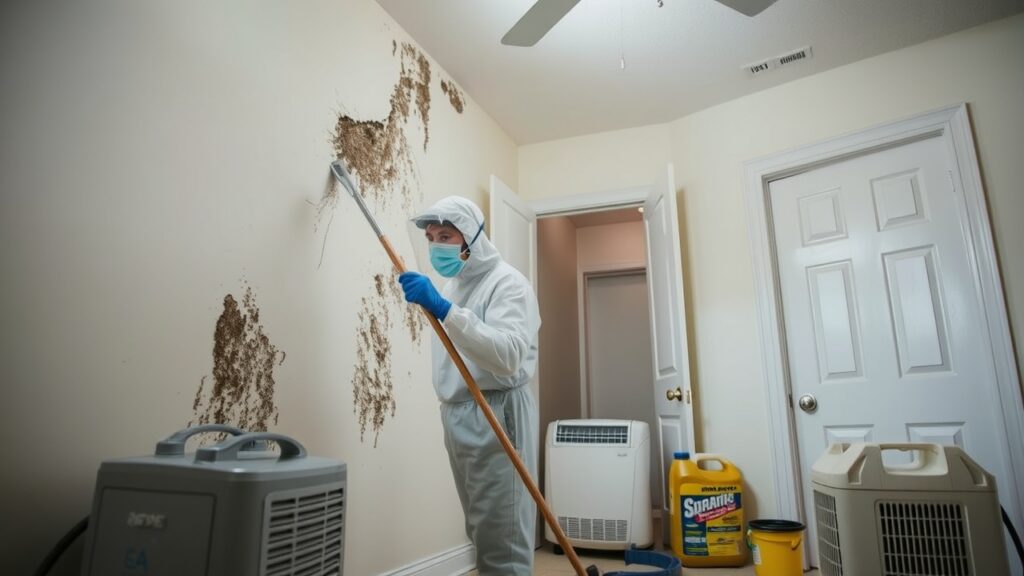
Mold Remediation in Coral Springs, FL: What You Really Need to Know
I’ve handled mold remediation over 1500 times in Coral Springs, FL, and the mistake I see most homeowners make is thinking that any black spot or musty smell can be solved with a bleach scrub. It can’t. The short answer is that proper removal and testing are everything, especially here where humidity hugs every corner and a missed patch can come back fast. I’ve been licensed and insured for 12 years in Coral Springs, and that context matters when I say there’s more to this than meets the eye.
Mold remediation in Coral Springs, FL involves professional assessment, containment, removal, and prevention of mold growth to protect health and property. Timely intervention by certified specialists ensures effective removal and addresses underlying moisture issues to prevent recurrence.
Most Companies Tell You Bleach Is Enough. Here’s What I’ve Found After 1500+ Jobs.
You’ll see most guides recommend DIY mold removal with bleach or store-bought sprays. I stopped doing it that way after seeing how many of those jobs come back worse. Bleach kills surface mold, sure, but it doesn’t touch the roots in porous materials or hidden behind drywall. In Coral Springs homes, that’s a recipe for a reoccurring nightmare.
The black mold removal experts I know agree: you need professional-grade containment, HEPA filtration, and EPA-registered antimicrobials like Sporicidin or Concrobium — not just surface cleaners. Most companies skip thorough mold clearance testing after remediation. That’s a mistake because without passing a mold clearance test, you can’t be sure the problem is gone.
This is where the mold clearance testing process comes in. It’s not just about “looks clean.” My post remediation verification services include a third party mold clearance inspection to prove the job is done right. I tell customers: don’t trust anyone who skips this step, even if they say the mold is “gone.”
Why Coral Springs’ Humidity and Hurricane Patterns Make Mold Remediation Different Here
After a storm, the pattern I always see is that mold returns quickly if the space wasn’t dried and sealed properly. Coral Springs sits in a tricky spot — the summer humidity averages over 75%, and during hurricane season, water intrusion can be sudden and severe. That’s why mold damage restoration in Coral Springs isn’t just about cleaning mold. It’s about controlling moisture and understanding local building stock.
Many homes in neighborhoods like Heron Bay and Cypress Run were built in the late 80s and 90s. They often have drywall that soaks up moisture like a sponge, hiding mold behind walls and under floors. I’ve noticed that homes near Coral Springs Drive or Coral Ridge Drive often face drainage issues that fuel mold growth, even after minor floods.
Another local wrinkle: HOA permit rules in places like Ramblewood sometimes delay remediation work, but delays only let mold spread. I always recommend quick action — and I’m usually available same-day for emergency mold remediation calls.
Three Questions You Should Ask Before Hiring Mold Remediation Services in Coral Springs
- Do you include mold inspection and testing before and after the job? If they don’t offer a thorough mold clearance testing process, walk away. Post remediation verification services are critical.
- What kind of warranty or guarantee do you provide? I back every job with a 2-year warranty on labor because if mold comes back, I’m coming back.
- Can you give me a clear estimate of the cost of mold remediation in Coral Springs? Most of these jobs run between $1200 and $4500 depending on severity, but I give free estimates and honest advice whether it’s worth fixing.
Signs You Need Mold Remediation: A Diagnostic Checklist
It’s not just visible spots. Here’s what I tell folks to watch for around Coral Springs — especially if you live near Coral Square Mall or Betti Stradling Park, where older construction meets humid air:
- Musty smells that won’t go away after airing out
- Visible black, green, or white mold patches on walls, ceilings, or under sinks
- Water stains or bubbling paint on drywall
- Health symptoms like sneezing, coughing, or headaches that improve when you leave the house
- Signs of mold after remediation like new spots or persistent odors
If you spot any of these, get professional mold inspection and testing. I handle home mold testing and removal with tools that catch what you can’t see — and I can explain what’s safe to DIY and when you need professional cleanup.
How to Know Mold Is Gone: The Truth About Passing a Mold Clearance Test
One of the biggest misconceptions is thinking that once you wipe mold away, the job is done. Passing a mold clearance test means the air and surfaces have been tested to confirm mold spore counts are back to safe levels after remediation. I use trusted third party mold clearance inspection services to verify this.
During the test, samples are collected from the air and surfaces and analyzed by certified labs. I’ve seen cases where visible mold was gone but the clearance test still failed because spores lingered in HVAC systems or hidden cavities. That’s why professional mold cleanup in Coral Springs must include clearance testing before the job is official.
What a Fair Price Actually Looks Like Here
The cost of mold remediation in Coral Springs depends on the size of the affected area and the type of mold, but here’s what I usually see:
- Small jobs under 100 sq ft: $1200–$1800
- Medium jobs 100–500 sq ft: $1800–$3500
- Large or complex jobs over 500 sq ft: $3500 and up
Don’t fall for prices that seem too good to be true. Cutting corners on containment or skipping clearance tests will cost you more in the long run. I give free estimates and explain every step. If your situation is minor, I’ll tell you that too.
A Brand I Rely On for Mold Remediation Products
In my experience, not all antimicrobial treatments are created equal. I use Concrobium products because they don’t just cover mold—they permanently remove it without harsh fumes. I’ve tested several brands, but Concrobium works best in Coral Springs’ humid climate. It’s safe for homes with kids or pets and helps prevent mold from coming back. For HEPA air filtration, I trust brands like Austin Air because their units handle the high spore counts we often find after storms near areas like Cypress Park.
FAQ: Quick Answers on Mold Remediation in Coral Springs
How much does mold remediation cost in Coral Springs, FL?
Most jobs I handle range from $1200 to $4500 depending on size and severity.
Is it safe to do mold removal myself?
For small, non-toxic mold patches, you can try cleaning with Concrobium, but anything larger or involving black mold should be left to professionals.
When should I schedule a mold inspection and testing?
As soon as you notice signs like musty smells, visible mold, or water damage. Early detection saves money and health risks.
If you want to dig deeper into how hurricanes affect mold issues nearby, check out my post on How Hurricanes Affect Mold Issues in Fort Lauderdale Homes. The patterns are similar enough to learn from that experience.
Handling mold remediation in Coral Springs right means knowing the neighborhood quirks, trusting the testing, and standing by your work. I’ve seen what happens when those pieces aren’t in place — and I don’t want that for you.