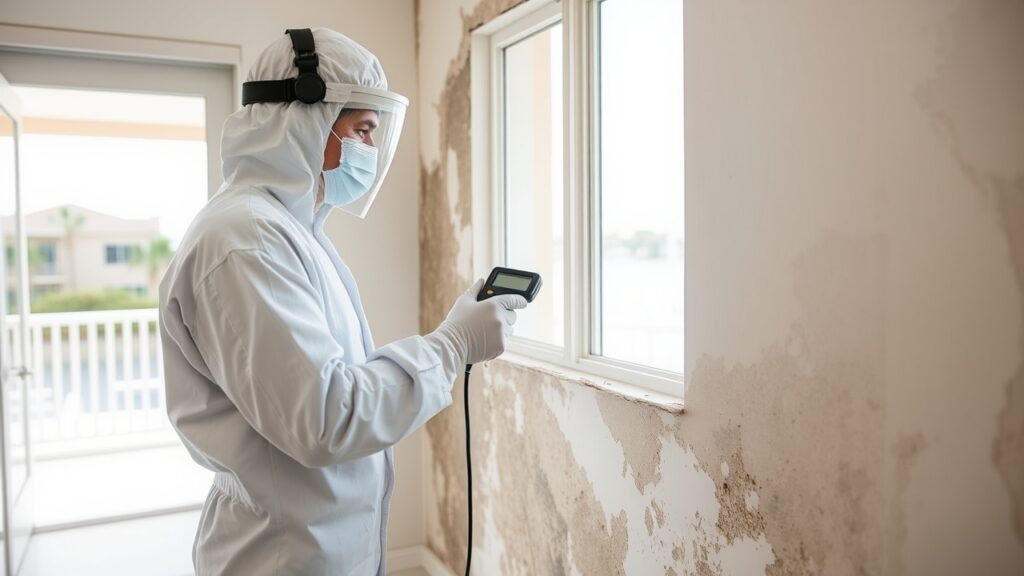
Fort Lauderdale’s Unique Mold Environment
Living and working in Fort Lauderdale means embracing a vibrant coastal lifestyle, but it also means contending with a unique set of environmental factors that create an ideal breeding ground for mold. As an IICRC-certified mold remediation specialist here, I’ve seen firsthand how the city’s coastal humidity, proximity to the Intracoastal Waterway, frequent hurricane exposure, and older housing stock all contribute to the persistent mold challenges homeowners face.
First, the coastal humidity in Fort Lauderdale averages between 70-80% year-round. This high moisture content in the air creates a perfect atmosphere for mold spores to settle and grow, especially in poorly ventilated or water-damaged areas. The marine microclimate, influenced by the warm Atlantic Ocean and the Intracoastal canals, adds another layer of complexity. Salt air and stagnant water in canals contribute to localized pockets of moisture, which can infiltrate homes, particularly those with aging infrastructure.
Hurricanes and tropical storms are a seasonal reality here, bringing heavy rains and flooding. After a storm, even minor leaks or water intrusion can quickly develop into mold infestations if not addressed immediately. The city’s housing stock, especially homes built before 1980, often features wood framing and building materials that are vulnerable to moisture damage. These older homes often lack modern waterproofing or vapor barriers, increasing the risk of hidden mold behind walls or under floors.
In summary, Fort Lauderdale’s coastal environment—with its persistent humidity, marine influences, hurricane exposure, and aging homes—requires homeowners to be vigilant. Mold can develop quickly, spread under the radar, and cause serious health and structural issues if left untreated.
Fort Lauderdale Neighborhoods with Elevated Mold Risk
While mold can affect any home in Fort Lauderdale, some neighborhoods face higher risks due to their location, architectural styles, and environmental conditions. Here’s a closer look at six key areas where mold problems demand special attention:
Tarpon River
Tarpon River is known for its charming, aging bungalows lining the banks of the New River. These homes, many built mid-20th century or earlier, are particularly susceptible to flooding during heavy rains or tidal surges. The proximity to the New River means that basements and crawl spaces often retain moisture longer after storms, creating an ideal environment for mold growth. Homeowners here should monitor for water intrusion after heavy rains and maintain proper drainage systems.
Rio Vista
Rio Vista features luxurious waterfront estates set amidst a dense tree canopy. While the greenery provides beautiful shade, it also traps humidity around homes, especially in the shaded northern and western exposures. The constant moisture in the air and shaded areas slows drying times after rain, increasing the risk of mold on exterior siding, decks, and even interior spaces with inadequate ventilation.
Victoria Park
Victoria Park’s craftsman-era homes are prized for their architectural details, but many retain original wood framing and materials that are vulnerable to moisture damage. These older construction methods often lack modern waterproofing, and the wood framing can absorb moisture from both humidity and minor leaks. Mold can develop behind walls or under floors, especially if HVAC systems are not regularly cleaned and maintained.
Colee Hammock
Colee Hammock boasts dense mature trees and tight lot layouts, which can limit air circulation around homes. With older building materials still in use, this neighborhood faces a dual threat: moisture trapped by poor ventilation and organic materials that can support mold colonies. It’s common for residents to notice musty odors or visible mold growth in less ventilated areas like attics and closets.
Flagler Village
Once a warehouse district, Flagler Village has undergone significant redevelopment, converting many industrial buildings into lofts and apartments. These structures often have flat roofs prone to water pooling and older HVAC systems that can develop condensation issues. Poor drainage and aging infrastructure can trap moisture, leading to hidden mold behind drywall or above drop ceilings.
Lauderdale Manors
Lauderdale Manors is a low-lying neighborhood that frequently experiences flood events, especially during heavy rains or king tides. Many homes are post-WWII construction with limited flood-proofing measures. Basements and crawl spaces here are particularly vulnerable to water intrusion, increasing mold risk. Residents should prioritize waterproofing and routine inspections after storms.
Mold Species Common in Fort Lauderdale
Fort Lauderdale’s warm, humid, coastal climate encourages a variety of mold species to thrive. Understanding the common molds helps homeowners recognize potential risks and communicate effectively with remediation professionals.
- Cladosporium: One of the most frequently encountered molds, Cladosporium thrives outdoors but also colonizes damp indoor surfaces. It often appears as olive-green to black spots on walls, window frames, or HVAC ducts. In Fort Lauderdale’s moist environment, Cladosporium can rapidly colonize areas with poor ventilation.
- Aspergillus: This genus includes several species that are common allergens and can produce mycotoxins. Aspergillus loves warm, humid environments and is often found in HVAC systems, insulation, and behind walls where moisture accumulates. Its spores are easily airborne, making it a concern for indoor air quality.
- Stachybotrys (Black Mold): Known colloquially as “black mold,” Stachybotrys is notorious for producing potent mycotoxins. It prefers cellulose-rich materials like drywall, wood, and ceiling tiles that have been wet for extended periods. In Fort Lauderdale, post-hurricane flooding creates the perfect conditions for Stachybotrys to establish, often requiring professional remediation due to health risks.
- Penicillium: This mold is common in water-damaged homes and can grow on a variety of substrates including wallpaper, carpets, and insulation. Penicillium spores are allergenic and can exacerbate respiratory issues. It frequently appears after leaks in plumbing or condensation problems in attics.
- Chaetomium: Less commonly known but significant in Fort Lauderdale homes, Chaetomium thrives in damp drywall and wood. It often produces musty odors and can cause structural wood to deteriorate. This mold typically develops when water intrusion goes unnoticed for weeks or months.
Warning Signs Specific to Fort Lauderdale
Recognizing mold early is critical to preventing extensive damage and health issues. In Fort Lauderdale, several warning signs are particularly common due to our unique climate and housing conditions.
After hurricane season, many homeowners notice water intrusion from roof leaks, broken windows, or flooding. Even when visible water is cleaned up, moisture can linger behind walls or under flooring, triggering mold growth. Watch for musty odors near canals or water bodies, as the high humidity and stagnant water encourage mold spores to become airborne.
Air conditioning units are a lifesaver in South Florida’s heat, but clogged or poorly maintained condensation drains often cause localized water leaks inside walls or under flooring. If you notice damp spots near your AC vents or unexplained water stains, these are red flags.
Visible mold growth behind baseboards or inside closets is another telltale sign, especially in older homes with less effective vapor barriers. Many residents report increased allergy-like symptoms—such as sneezing, coughing, or headaches—after summer storms, which often coincide with mold proliferation.
In short, if you’ve experienced recent flooding, noticed persistent dampness, or smell musty odors, it’s crucial to act quickly. Mold can spread silently and cause structural weakening and health risks if left untreated.
The Professional Mold Remediation Process
Professional mold remediation is a multi-step process designed to safely and effectively remove mold contamination while preventing its spread. Here’s a typical 7-step mold remediation protocol we follow at Fort Lauderdale Mold Remediation Pros:
- Inspection and Moisture Mapping: We begin with a thorough visual inspection combined with moisture meters and infrared cameras to identify all affected areas. This step can take 2-4 hours depending on the property size.
- Air Sampling and Testing: Air and surface samples are collected to identify mold species and spore concentrations. This lab testing informs the remediation scope and ensures we target the right problem areas.
- Containment with Negative Air Pressure: To prevent mold spores from spreading to unaffected areas, we set up physical barriers and use negative air machines with HEPA filters. This containment is essential in open floor plans or multi-unit buildings.
- HEPA Vacuum and Physical Mold Removal: All visible mold colonies and contaminated materials are carefully removed or cleaned using HEPA vacuums and specialized cleaning agents. Porous materials heavily infested with mold may require removal.
- Antimicrobial Treatment: After cleaning, we apply EPA-registered antimicrobials to inhibit mold regrowth on affected surfaces.
- Dryout and Dehumidification: We deploy industrial dehumidifiers and air movers to thoroughly dry the structure, often monitoring moisture levels over several days to ensure complete dryness.
- Clearance Testing: Finally, we perform post-remediation testing, including visual inspection and air sampling, to confirm mold levels are back to safe, baseline levels before handing the property back to the homeowner.
Typical timelines vary by severity but minor jobs can be completed in 1-2 days, while severe or whole-home remediation can take up to 4 weeks, especially if reconstruction is involved.
Mold Remediation Cost in Fort Lauderdale
| Severity | Typical Range | Common Scenario | Timeline |
|---|---|---|---|
| Minor | $500 – $1,500 | Bathroom/laundry, under 10 sq ft | 1–2 days |
| Moderate | $2,000 – $6,000 | Crawl space, one room post-water damage | 3–5 days |
| Severe | $10,000 – $30,000+ | Post-hurricane flooding, structural wood | 1–2 weeks |
| Whole-Home | $15,000 – $50,000+ | Stachybotrys throughout, major reconstruction | 2–4 weeks |
Several factors influence mold remediation costs in Fort Lauderdale. The region’s frequent hurricane activity drives up demand for remediation services, especially during and after storm season. This often leads to increased labor rates and scheduling delays. Additionally, the shortage of licensed, IICRC-certified contractors locally means that qualified professionals command premium pricing. Seasonal fluctuations also impact costs—prices tend to rise during the wetter summer months when mold issues spike, and drop slightly during drier winter periods. For homeowners, understanding these variables helps set realistic expectations and encourages timely action before mold spreads.
Citizens Property Insurance and Mold in Fort Lauderdale
Insurance coverage for mold remediation in Fort Lauderdale is a frequent concern for homeowners, particularly because many policies come with limitations and exclusions. Citizens Property Insurance, Florida’s insurer of last resort, plays a significant role in this market. Understanding how Citizens handles mold-related claims can save headaches during stressful times.
Citizens typically covers mold remediation only when it results from sudden and accidental water damage, such as a burst pipe or storm-driven roof leak. However, mold caused by long-term neglect, poor maintenance, or gradual leaks is generally excluded. This distinction is critical in Fort Lauderdale, where hurricane zone designation means claims undergo heightened scrutiny to differentiate between damage from the storm itself versus pre-existing conditions.
Documenting the source of water intrusion is essential. For example, water damage caused by a storm surge (covered) differs from rain-driven leaks due to a poorly maintained roof (often excluded). Homeowners should photograph all damage immediately, noting water levels, debris, and timing relative to the event.
Claimants must notify Citizens within 72 hours of discovering damage and arrange for an independent adjuster to assess the property. Before remediation approval, a detailed remediation plan from a licensed contractor is usually required. Keep in mind that standard Citizens policies include a mold sublimit, often capped at $10,000, which may not cover extensive remediation costs.
To handle potential gaps, homeowners should explore endorsements or separate mold insurance policies. Retaining all receipts and requesting the insurer’s official mold protocol in writing can streamline claims and prevent disputes.
Remember, proactive communication with Citizens and thorough documentation are your best tools for securing coverage and ensuring a smooth remediation process.
Mold Prevention for Fort Lauderdale Homeowners
Prevention is always better than remediation, especially in a climate as challenging as Fort Lauderdale’s. Establishing a seasonal mold prevention routine can keep your home safe and dry all year round.
- Spring: Schedule a full HVAC system maintenance to ensure condensation drains are clear and filters replaced. Inspect the roof and gutters for storm damage and debris.
- Summer: Monitor indoor humidity levels with a hygrometer, aiming to keep relative humidity below 60%. Use dehumidifiers in basements, crawl spaces, or other damp areas.
- Fall: Prepare for hurricane season by checking seals around windows and doors. Clear landscaping away from the foundation to improve airflow.
- Winter: Conduct a post-storm inspection checklist including checking for leaks, mold odors, and damp spots behind baseboards or under sinks.
Additional tips include regularly cleaning AC drip pans and condensation lines, ensuring proper ventilation in bathrooms and kitchens, and promptly drying any water spills or leaks. By following these steps and maintaining vigilance after storms, Fort Lauderdale homeowners can greatly reduce mold risks and protect their investment.
When to Call a Professional vs. DIY Mold Removal in Fort Lauderdale
In Florida, mold remediation is regulated to protect both public health and property. Specifically, any commercial mold remediation project exceeding 10 square feet must be performed by a licensed mold remediator. While this regulation primarily targets commercial properties, it also highlights the importance of professional expertise when dealing with larger infestations. For Fort Lauderdale homeowners, this means that if you discover mold growth over 10 square feet, especially black mold (Stachybotrys), it’s wise to call in the professionals rather than attempting a DIY approach.
Black mold is particularly concerning because it produces mycotoxins that can cause serious health issues, including respiratory problems and allergic reactions. DIY removal of black mold often leads to improper handling, which can worsen the problem by spreading spores throughout your home. Without proper containment and equipment, you risk cross-contamination, causing mold to colonize other areas that were previously clean.
There are, however, situations where a DIY approach is acceptable. For small mold patches on non-porous surfaces like glass, tile, or metal—usually under 10 square feet—careful cleaning with detergent and water or a mold-specific cleaner can be effective. Always wear gloves and a mask, and ensure the area is well-ventilated. Avoid using bleach on porous surfaces, as it doesn’t penetrate deeply enough to kill mold roots.
One of the key guidelines professionals follow is the IICRC S520 standard, which outlines proper procedures for mold remediation including containment, air filtration, and safety protocols. This standard is designed to minimize health risks and prevent mold from spreading during cleanup.
To keep your Fort Lauderdale home safe, don’t hesitate to call Fort Lauderdale Mold Remediation Pros at (954) 686-3836 if you see visible mold growth over 10 square feet. They have the experience and equipment to handle the job safely and effectively.
Seasonal Mold Prevention Calendar for Fort Lauderdale Homeowners
Living in Fort Lauderdale means dealing with a humid subtropical climate that can encourage mold growth year-round. Following a seasonal mold prevention calendar can make a big difference in keeping your home mold-free.
June to September (Hurricane Season): Before any storm hits, prepare by sealing leaks and securing windows to prevent water intrusion. After a storm, conduct a thorough 24-hour inspection of your home to catch any moisture or leaks early. Deploy dehumidifiers in damp areas like basements or crawlspaces to reduce excess humidity, which fuels mold growth.
October to November (Post-Season): As the rain subsides, it’s time to inspect your HVAC system for mold-friendly dust and debris. Clean your drain lines to avoid clogs that can cause standing water. Don’t forget to check your attic after heavy rains for signs of leaks or moisture buildup.
December to February (Dry Season): The relatively lower humidity during these months helps keep mold at bay. Use this time to inspect crawlspaces and other less-visible areas for moisture problems. Maintaining indoor relative humidity below 55% is essential—consider using a digital humidity gauge in main living areas to monitor levels accurately.
March to May (Pre-Season): Prepare your home for the upcoming rainy and hurricane season by inspecting your roof for damaged shingles or tiles. Re-seal windows and doors to prevent water intrusion. Also, check your air conditioning condensate pan for standing water, which can become a breeding ground for mold.
Keeping a digital humidity gauge in your main living spaces is a simple but effective way to stay on top of moisture levels daily. For professional mold prevention assessments in Fort Lauderdale, contact Fort Lauderdale Mold Remediation Pros at (954) 686-3836.
Frequently Asked Questions
Q1: How quickly does mold grow after flooding in Fort Lauderdale?
Mold growth can begin within 24 to 48 hours after flooding in Fort Lauderdale due to the city’s high humidity and warm temperatures. When water saturates building materials such as drywall, wood, or carpeting, mold spores that are always present in the environment find ideal conditions to germinate and multiply rapidly. If wet materials are not dried thoroughly within this time frame, mold colonies can become established and spread behind walls and under floors, often out of sight. This is why immediate water extraction, drying, and professional evaluation are critical after any flooding event. The longer moisture remains trapped, the more extensive and costly the mold remediation will be.
Q2: Does Citizens Property Insurance cover mold remediation in Florida?
Citizens Property Insurance does provide coverage for mold remediation in Florida, but with important restrictions. Coverage typically applies only when mold results from a covered peril, such as sudden water damage caused by a hurricane or burst pipe. Mold due to neglect, wear and tear, or unresolved leaks is usually excluded. Additionally, Citizens policies include a mold sublimit, often capping remediation costs around $10,000, which may not fully cover extensive damage. Claimants must promptly report damage—usually within 72 hours—and provide documentation including an approved remediation plan from a licensed contractor. Because of Fort Lauderdale’s hurricane zone status, mold claims undergo strict scrutiny, so thorough documentation and adherence to insurer protocols are vital to maximize coverage.
Q3: What neighborhoods in Fort Lauderdale have the highest mold risk?
Several neighborhoods in Fort Lauderdale are known for elevated mold risk due to flooding, humidity, and older housing. The top six include Tarpon River, which faces flooding from the New River impacting aging bungalows; Rio Vista, where waterfront estates experience humidity trapped by thick tree canopies; Victoria Park, with craftsman-era homes featuring original wood framing vulnerable to moisture; Colee Hammock, characterized by dense mature trees and poor air circulation; Flagler Village, where flat roofs and converted warehouses can harbor HVAC-related mold issues; and Lauderdale Manors, a low-elevation, flood-prone neighborhood with post-WWII homes. Homeowners in these areas should be particularly vigilant with mold prevention and inspections after storms.
Q4: How much does mold remediation cost in Fort Lauderdale in 2025?
Mold remediation costs in Fort Lauderdale for 2025 vary widely based on severity and scope. Minor jobs, such as isolated bathroom mold patches under 10 square feet, typically range from $500 to $1,500 and take 1-2 days to complete. Moderate remediation, such as crawl space or single-room treatment following water damage, usually costs between $2,000 and $6,000 and requires 3-5 days. Severe cases involving structural wood and post-hurricane flooding can cost $10,000 to $30,000 or more, with timelines of 1-2 weeks. Whole-home remediation, especially when dealing with toxic Stachybotrys and involving reconstruction, may exceed $50,000 and take up to 4 weeks. Factors influencing pricing include hurricane season demand, contractor availability, and the need for specialized equipment.
Q5: Can I stay in my home during mold remediation in Fort Lauderdale?
Whether you can stay in your home during mold remediation in Fort Lauderdale depends on the severity and extent of the mold contamination. For minor cases confined to small areas like a bathroom or laundry room, it may be possible to remain in the home with proper containment measures in place. However, for moderate to severe mold infestations, especially those involving toxic species like Stachybotrys or widespread contamination, it is typically recommended to vacate during remediation. The use of negative air pressure, antimicrobial agents, and demolition work can expose occupants to mold spores and chemical treatments. Our team always prioritizes safety and will provide guidance based on the specific situation, ensuring compliance with health standards and homeowner comfort.
Call to Action
If you suspect mold in your Fort Lauderdale home or just want peace of mind, don’t wait. Contact Fort Lauderdale Mold Remediation Pros today at (954) 686-3836 to schedule your free inspection. As a fully licensed and IICRC-certified mold remediation specialist based right here in Fort Lauderdale, I understand the unique challenges our coastal environment presents. Our comprehensive mold remediation services combine local expertise with industry-leading techniques to ensure your home is safe, dry, and mold-free. Don’t let mold compromise your health or property—call now and let us help you protect your investment!