Post-Hurricane Mold Growth and Remediation Strategies in Fort Lauderdale
Living in Fort Lauderdale, we’re no strangers to hurricanes and the aftermath they leave behind. The combination of powerful storms and our region’s intense subtropical humidity often creates the perfect storm for mold growth inside homes and businesses. After the winds die down and floodwaters recede, mold can silently take hold—posing serious health risks and property damage if not addressed promptly and correctly.
After a hurricane in Fort Lauderdale, mold growth is almost inevitable due to flooding and high humidity. The best remediation strategy involves thorough water extraction, drying, and professional mold removal tailored to Broward County’s climate and building types. Immediate action helps prevent extensive damage and health hazards.
Why Fort Lauderdale’s Climate Amplifies Post-Hurricane Mold Risks
Fort Lauderdale’s subtropical climate means we live with high humidity levels year-round, often hovering around 70% or higher even outside of hurricane season. When a hurricane hits, torrential rains and flooding saturate building materials like drywall, wood, and insulation. The warm temperatures—often in the 80s and 90s—create an ideal environment for mold spores to germinate and grow within 24 to 48 hours. Areas such as Las Olas, New River neighborhoods, and other parts of Broward County that are close to water bodies can experience more severe flooding, increasing the risk of hidden mold growth behind walls and under floors.
Common Mold Growth Patterns After Hurricanes
Once floodwaters enter a home, mold can develop in several common areas:
- Basements and crawl spaces: Often poorly ventilated and prone to moisture accumulation.
- Behind drywall and wallpaper: Water can wick into these porous materials, creating hidden mold colonies.
- Under flooring: Hardwood, laminate, and carpet can trap moisture underneath, promoting mold growth.
- HVAC systems: Flooded ducts and vents can spread mold spores throughout your home if not cleaned properly.
Recognizing these hotspots early is key to preventing widespread contamination.
Step-by-Step Mold Remediation Strategies for Fort Lauderdale Homes
1. Immediate Water Extraction and Drying
The first priority after a hurricane is to remove standing water and begin drying the property as quickly as possible. In Broward County, professional-grade water extractors and industrial fans can reduce drying time dramatically. It’s essential to keep the indoor relative humidity below 60% to discourage mold growth during this phase.
2. Mold Inspection and Testing
Once the home is dry, a thorough inspection should be conducted by certified mold remediation specialists. In Fort Lauderdale, this often includes air quality testing and surface sampling to identify hidden mold colonies, especially in older homes near the New River or coastal zones where moisture intrusion is frequent.
3. Removal and Cleaning
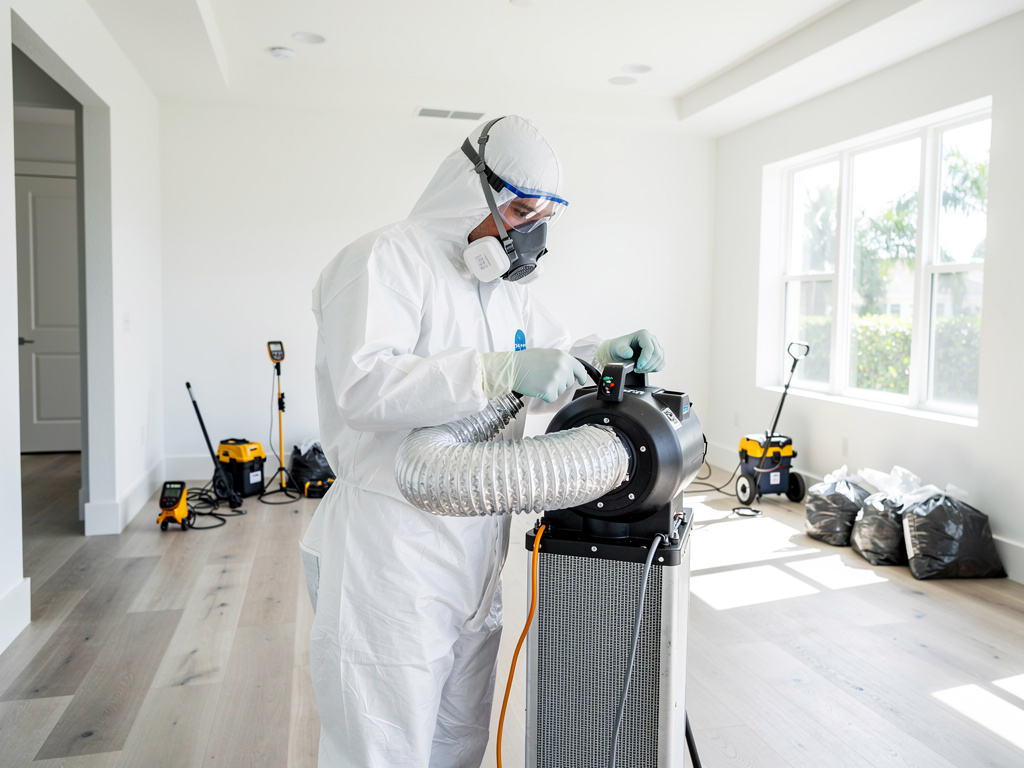
Mold-infested materials such as drywall, insulation, and carpeting may need to be removed and safely disposed of. Non-porous surfaces can be cleaned and sanitized with EPA-approved antimicrobial agents. Our team at Fort Lauderdale Mold Remediation Pros uses specialized containment and negative air pressure techniques to prevent cross-contamination during removal.
4. Structural Repairs and Prevention
After mold removal, repairing flood damage and improving ventilation are critical to prevent future mold problems. Installing vapor barriers in crawl spaces, upgrading HVAC filters, and using dehumidifiers during the humid season are common practices in Broward County homes to keep mold at bay.
Why Professional Mold Remediation Matters in Fort Lauderdale
While some homeowners might attempt DIY mold cleanup, hurricane-related mold infestations in Fort Lauderdale often require professional intervention due to the complexity and extent of damage. Professionals have the expertise and equipment to identify hidden mold, safely remove contaminated materials, and restore indoor air quality. Moreover, insurance companies in Broward County often require documented professional remediation for mold claims after hurricane damage.
Frequently Asked Questions
How soon after a hurricane should I check for mold in my Fort Lauderdale home?
Mold can begin to grow within 24 to 48 hours after water intrusion. It’s best to start inspecting and drying your home immediately after floodwaters recede to prevent significant mold development.
Can I handle mold remediation myself after minor flooding?
Small mold patches on non-porous surfaces may be cleaned by homeowners using proper protective gear and cleaning agents. However, extensive mold contamination, especially after hurricanes, requires professional remediation to ensure safety and thorough removal.
What areas in Fort Lauderdale are most vulnerable to post-hurricane mold?
Low-lying and waterfront neighborhoods like Las Olas and areas near the New River are particularly vulnerable due to frequent flooding and high humidity. Homes with crawl spaces or older construction materials also face higher mold risks after hurricanes.
If your Fort Lauderdale home has been impacted by hurricane flooding and you suspect mold growth, don’t wait to act. Contact Fort Lauderdale Mold Remediation Pros at (954) 686-3836 for expert assessment and safe, effective mold removal. Our team proudly serves Fort Lauderdale and Broward County with fast, reliable service from our office at 300 SE 2nd St Suite 600. Protect your home and family today from the hidden dangers of post-hurricane mold.