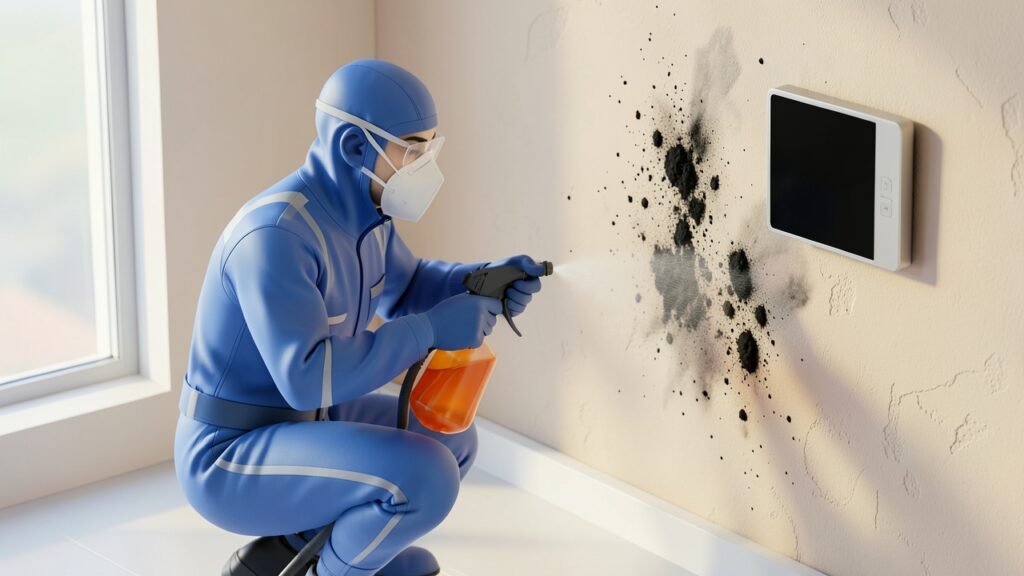
How do I get a mold remediation license in Florida?
To get a mold remediation license in Florida, you must complete a state-approved training program, pass a licensing exam, and submit an application with the Florida Department of Business and Professional Regulation (DBPR). This process includes providing proof of liability insurance and meeting continuing education requirements to maintain your license. I’ve been licensed and insured for 10 years here in Lauderhill, FL, so that context matters when I say this isn’t just paperwork—it’s about knowing the rules and doing the job right.
To obtain a mold remediation license in Florida, you must complete an approved training course, pass the state exam, and submit an application to the Florida Department of Business and Professional Regulation (DBPR). Additionally, you must provide proof of insurance and pay the required fees. For detailed requirements, consult the DBPR Mold-Related Services section.
The Part Most Companies Skip About Getting Licensed
Most mold removal companies will tell you the licensing process is just a formality you can breeze through. Here’s what I’ve found after handling over 200 mold remediation jobs around Lauderhill: a lot of contractors skip the proper training or don’t stay current with Florida’s regulations, and that’s what causes botched jobs or mold coming back.
Florida’s humidity and the building stock here demand more than a surface-level understanding. State-approved training programs cover specific standards, like the IICRC S520 standard for mold remediation, which many DIY guides or unlicensed contractors overlook. Without that background, you’re risking your client’s health and your reputation.
Here’s the thing: getting your mold remediation license isn’t just passing a test. It’s proving you know how to handle black mold removal experts safely, run professional mold cleanup in Lauderhill, and comply with EPA RRP and Florida Building Code rules. If you skip these steps, you’re gambling with your career and your customer’s safety.
Why Lauderhill Mold Removal Services Are Different
Lauderhill’s climate throws a curveball at mold remediation. The constant humidity combined with the older homes—especially around neighborhoods like Boulevard Gardens and Riverland Hills—means porous materials soak up moisture fast. After storms during hurricane season, I often see water trapped in basements and wall cavities, causing hidden mold growth that’s not obvious without proper inspection.
In fact, I’ve noticed that soil drainage issues near the central parts of Lauderhill tend to worsen mold problems if water damage and mold cleanup aren’t done quickly. That’s why I always advise a thorough mold inspection and testing Lauderhill homeowners can trust, not just a quick surface check.
Because of these local conditions, affordable mold remediation services here must include moisture control and ventilation fixes to prevent mold from coming back. I use HEPA filtration from trusted brands like Sporicidin and Concrobium to capture spores effectively during remediation — those aren’t just gimmicks but essential tools for lasting results.
Three Questions You Should Ask Before Getting Licensed
- Is the training program state-approved? Only Florida DBPR-approved courses count toward the license. Some schools advertise mold classes but don’t meet this standard.
- Do they cover IICRC S520 and EPA RRP rules? These are the actual guidelines you’ll use daily. Missing this means you’re underprepared.
- What are the insurance requirements? Florida requires specific liability coverage. Know what you need before applying to avoid delays.
Signs You Need Mold Remediation: A Diagnostic Checklist
- Visible mold patches, especially black or green discolorations on walls, ceilings, or under sinks
- A musty or damp smell that lingers even after cleaning
- Water stains or bubbling paint on drywall
- Health symptoms worsening indoors, like coughing, sneezing, or asthma flare-ups
- Recent flooding, leaks, or water damage you haven’t addressed
If you spot any of these around your Lauderhill home, don’t wait. I’m usually available same-day for mold remediation calls and provide a transparent mold remediation cost estimate before starting.
What a Fair Mold Remediation Cost Estimate Looks Like Here
In my experience, most mold removal company near me listings don’t break down costs clearly. For Lauderhill, typical mold remediation jobs run between $1,200 and $4,500 depending on the size, water damage extent, and materials affected. Black mold removal experts usually charge at the higher end because of the extra safety gear and disposal steps.
I give free, no-pressure estimates that detail exactly what you’re paying for — containment, removal, drying, and mold damage repair specialists’ labor. If it’s not worth fixing, I’ll tell you honestly, no upsells.
How to Maintain Your License and Keep Clients Safe
Once you get your mold remediation license in Florida, the work isn’t done. Continuing education is mandatory to stay updated on the latest EPA mold prevention and remediation tips and Florida’s evolving building codes. I’ve had to update my knowledge every couple of years based on new local patterns, including rising insurance claims after hurricanes hitting Broward County.
You also need to keep your liability insurance active and document every job thoroughly. I back all my work with a 2-year warranty on labor — if mold comes back because I missed something, I come back and fix it. That kind of guarantee isn’t standard in this industry but crucial for peace of mind here in Lauderhill.
FAQ: Common Questions About Mold Remediation Licensing
- How long does it take to get a mold remediation license in Florida? Usually, completing the state-approved course takes a few weeks depending on class schedules, plus the time for the exam and paperwork.
- Is it safe to try DIY mold removal without a license? For small patches, basic cleaning can work, but anything beyond 10 square feet or involving black mold needs professional cleanup to avoid health risks and property damage.
- What causes mold in Lauderhill homes most often? High humidity, poor ventilation, leaks around windows or roofs, and post-storm water intrusion are the main culprits I see in this area.
If you want to dig deeper into why proper licensing and professional standards make the difference, check out my post on Licensed Mold Remediation in Your City: What Local Experts Want You to Know. That goes into the nitty-gritty of local regulations and the pitfalls of cutting corners.