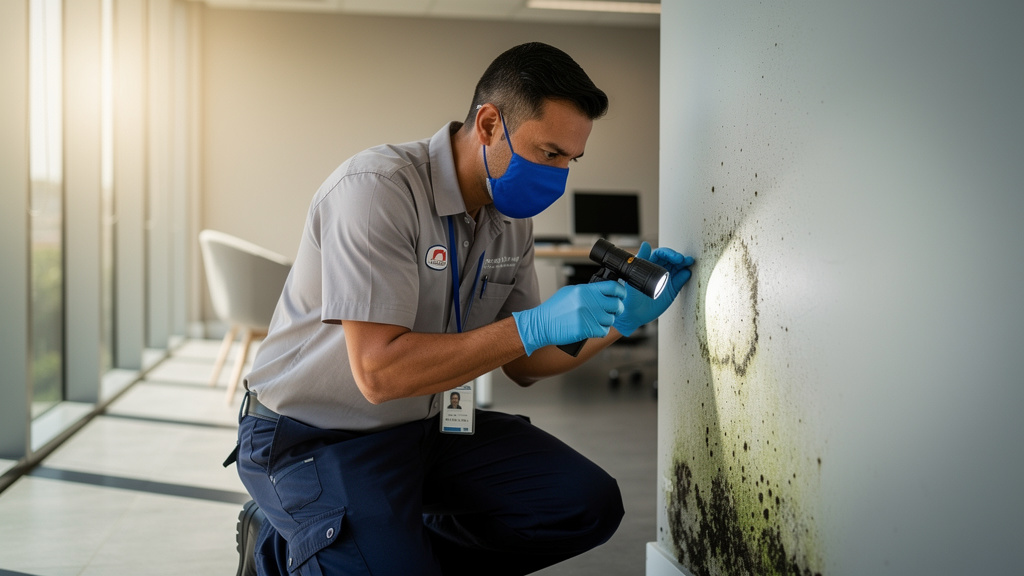
After years of handling mold remediation inquiries, we can tell you exactly why choosing the right mold removal product matters far more than many homeowners realize. The wrong product or method not only wastes time and money but can also expose your home to recurring mold growth or even worsen hidden damage. We’ve seen this more times than we can count — a product that promises quick fixes but falls short on safety, effectiveness, or long-term results.
Table of Contents
- What Sets Our Mold Remediation Work Apart
- Why Most Mold Remediation Advice Misses the Mark
- When Should I Call Mold Remediation Experts?
- Common Questions About Mold Remediation: What You Need to Know
- Why Most Mold Removal Advice Misses the Mark
- Tips and Best Practices for Long-Term Mold Prevention
- Summary and Clear Next Steps for Mold Remediation
In this guide, you’ll learn exactly how to compare mold removal products to find the best fit for your situation without risking your health or property. We’ll walk you through the key differences between DIY approaches and when it’s critical to seek out trusted mold remediation services. What most people don’t realize is that the choice of product is just one piece of a larger puzzle involving mold type, surface, and environmental conditions.
Our team has worked with an extensive range of mold removal solutions — from common store-bought sprays to professional-grade formulations recommended by the IICRC and EPA. We understand the secret to effective mold removal lies in matching the product’s capabilities to the specific problem, not just picking the shiniest label on the shelf. Whether you’re wondering how to get rid of mold in a bathroom corner or searching for the best mold removal products for extensive contamination, this overview will equip you with the knowledge to make a secure, informed decision. For more information, see our guide on Why Most Mold Remediation Advice Fails in Emergency Situations.
When comparing mold removal products in 2024, prioritize effectiveness against common mold types, safety for indoor use, and eco-friendly ingredients. Additionally, evaluate application methods, drying time, and customer reviews to ensure reliable performance. Always verify certifications and compliance with health standards to select the best product for your needs.
What Sets Our Mold Remediation Work Apart
With years of experience helping clients recover from mold infestations, we’ve come to understand the nuances that make mold remediation effective — or not. The process isn’t simply about scrubbing visible mold off surfaces. True mold solutions require a thorough approach grounded in careful inspection, containment, and cleaning, followed by strategies to prevent recurrence.
One case that stands out involved a residential basement suffering from persistent mold issues despite prior attempts at cleanup. Our team conducted a full mold inspection and testing, identifying hidden moisture sources feeding the mold’s growth. By addressing those moisture problems alongside a carefully controlled mold abatement process, we transformed a space that had been uninhabitable for months into a safe, dry environment within three weeks. For more information, see our guide on Tackling Mold Prevention and Treatment in Parkland New Construction Homes.
This case illustrates the importance of combining inspection, targeted cleanup, and lasting repairs. It’s not enough to remove mold spores from walls and floors if the underlying cause remains unaddressed.
Here’s what sets our approach apart:
- Comprehensive mold inspection and testing: We don’t just look at what’s visible. Using moisture meters and air sampling, we discover mold hidden behind drywall, under flooring, or inside HVAC systems. This is crucial to avoid incomplete cleanup.
- Containment and air filtration: Preventing cross-contamination during cleanup is vital. We isolate affected areas using physical barriers and deploy HEPA-filtered negative air machines to capture airborne spores.
- Targeted remediation tailored to each situation: Different mold types and surfaces demand specific cleaning methods — from HEPA vacuuming to antimicrobial treatments. We match techniques to conditions, optimizing results.
- Moisture source control: We help identify plumbing leaks, condensation issues, and structural flaws that fuel mold growth, so remediation isn’t a temporary fix.
- Follow-up verification testing: After remediation, testing confirms that mold levels have returned to safe levels, ensuring peace of mind.
- Proper identification of mold species and affected materials. Some molds require different removal strategies or disposal methods.
- Removal or replacement of porous materials like drywall or insulation when mold has deeply penetrated, rather than attempting surface cleaning alone.
- Using EPA-registered antimicrobials and HEPA-filtered equipment, which effectively reduce mold spores without fostering moisture issues.
- Drying and moisture control as integral parts of the process — this is the only way to prevent mold from returning.
- Water damage from flooding or leaks
- Persistent condensation or humidity problems
- Mold odor without visible mold
- Mold growth inside HVAC components
- Don’t disturb moldy materials, which can release spores into the air
- Avoid DIY cleaning for widespread or hidden mold
- Schedule professional mold inspection and testing promptly
- Address moisture sources alongside remediation
- Confirm results with post-remediation testing
- Maintain humidity levels below 60%. Use dehumidifiers or improved ventilation, especially in basements, bathrooms, and kitchens.
- Fix leaks promptly. Even small drips can support mold growth if left unaddressed.
- Use mold-resistant building materials where feasible during repairs or renovations.
- Regularly inspect hidden or less obvious areas such as behind appliances, under sinks, and inside wall cavities.
- Avoid carpeting in damp areas. Carpet can trap moisture and mold spores, making removal difficult if contamination occurs.
- Early Detection Saves Money and Stress: Spotting mold early lets you address it before it spreads extensively.
- Professional Services Address Root Causes: Mold specialists focus on eliminating moisture sources, not just visible mold.
- DIY Has Limits and Risks: Surface cleaning might seem affordable but can leave dangerous spores behind or miss concealed mold growth.
- Mold Prevention Techniques Are Essential: Controlling humidity, improving ventilation, and fixing leaks are necessary for long-term success.
- Trust Is Built on Transparency: We prioritize clear communication about what the mold problem is, what will be done, and what you can expect.
- Watch for signs like persistent musty smells, visible spots, or unexplained allergy symptoms.
- Assess the situation honestly: small isolated mold might be manageable on your own with proper precautions.
- Consider a professional inspection if mold covers large areas, recurs after cleaning, or is near HVAC systems.
- Address moisture sources promptly: leaks, condensation, or poor ventilation fuel mold growth.
- Plan for prevention: regular maintenance and mold prevention strategies limit future problems.
Why Most Mold Remediation Advice Misses the Mark
Most companies tell you that mold remediation is straightforward: just remove the visible mold, clean the area, and you’re done. Here’s what we’ve actually found doing this work, day in and day out: that approach often fails to address the problem’s root causes, leading to recurring mold and frustration. For more information, see our guide on Why Pembroke Pines Mold Demands Specialized Remediation Approaches in South Florida.
The standard advice on mold cleanup is: “Use bleach or household cleaners and scrub the mold away.” That’s usually wrong — and here’s why. Bleach can temporarily whiten mold stains on hard surfaces but doesn’t penetrate porous materials where mold roots grow. Worse, bleach can contribute to moisture buildup, which encourages mold growth. Relying solely on bleach often results in mold returning within weeks.
We stopped doing remediation that way after seeing property owners repeatedly face the same mold problems despite multiple DIY attempts or low-quality professional cleanups. Instead, we emphasize:
For homeowners wondering how to approach mold remediation safely, this means investing in professional mold cleanup that focuses on the entire mold abatement process, not just visible patches.
When Should I Call Mold Remediation Experts?
Home mold removal tips you find online often suggest DIY methods for small patches. But the short answer is: if you see mold covering more than a few square feet, smell musty odors, or experience unexplained health symptoms, it’s time to call experts. Our experience shows that early intervention prevents mold from spreading into hidden areas, which complicates cleanup and raises costs.
We also recommend professional mold inspection and testing in situations like:
Our process begins with a detailed assessment, including moisture mapping and spore analysis. This gives a clear picture of contamination extent and informs a streamlined mold abatement strategy. Acting quickly not only protects your property but also improves indoor air quality and occupant health.
Here’s a quick checklist to help optimize your response:
Addressing mold correctly requires more than tricks or beginner tips — it demands experienced, methodical work focused on lasting outcomes. That’s exactly what our team provides, backed by extensive hands-on knowledge and a commitment to thorough, responsible mold solutions.
Common Questions About Mold Remediation: What You Need to Know
One question we hear frequently is: How much does mold remediation cost? The short answer: it varies widely. Factors like the size of the affected area, the type of mold, and the extent of water damage all influence pricing. Most run about $500 to several thousand dollars around here, depending on complexity. What most people don’t realize is that cheaper options often skip critical steps, leading to recurring issues.
Another common concern is whether it’s safe to do mold cleaning yourself. We understand the appeal of DIY, especially with the abundance of online guides. However, the reality is that mold spores are tricky and can spread invisibly if disturbed improperly. Using safe mold cleaning products is essential, but safe doesn’t always mean effective for significant infestations. According to the Environmental Protection Agency (EPA), professional remediation is recommended for mold growth over 10 square feet. That threshold is a practical rule to prevent exposure risks and incomplete cleanup.
People also ask how to compare mold removal solutions. This can be confusing because marketing often oversells “instant” or “chemical-free” fixes. We recommend prioritizing approaches aligned with industry standards set by organizations like the Institute of Inspection, Cleaning and Restoration Certification (IICRC). Their guidelines emphasize containment, removal, and moisture control as pillars of successful remediation. Any solution lacking these steps is unlikely to deliver lasting results.
Why Most Mold Removal Advice Misses the Mark
The standard advice on mold remediation is often misleading. You’ll see most guides recommend scrubbing surfaces with bleach or over-the-counter cleaners. That’s usually wrong — and here’s why.
Bleach might kill mold on non-porous surfaces temporarily, but it doesn’t penetrate porous materials like drywall or wood. This means mold roots and spores remain hidden, ready to regrow. Our experience shows that these shortcuts create a false sense of security. We’ve dealt with countless cases where mold returned aggressively after DIY bleach cleaning, leading to bigger problems and higher costs down the line.
Most companies tell you that mold remediation is just about removal. Our team has actually found day in and day out that moisture control is the cornerstone of effective treatment. Without addressing the source of water intrusion or humidity, mold will come back regardless of how thorough the cleaning looks. We always start by investigating leaks, condensation, or poor ventilation before any removal begins. This approach aligns with IICRC’s S520 Standard and Reference Guide for Professional Mold Remediation, which stresses the importance of moisture control in achieving lasting results.
Another misconception is that all black mold removal methods are the same. Some companies use aggressive chemicals broadly, risking damage to your property and indoor air quality. We focus on proven, targeted techniques that minimize disruption and prioritize safe mold cleaning products when appropriate. This balance improves outcomes while reducing unnecessary exposure to harsh substances.
Tips and Best Practices for Long-Term Mold Prevention
Successful mold remediation doesn’t end with cleanup. Our team advises several best practices to help prevent mold from returning:
We’ve seen how responsive, direct communication during remediation can also improve outcomes. Our team stays transparent about progress and challenges, helping clients make informed decisions quickly. This straightforward approach has built trust through reliable, proven results in tough situations.
For more insights on inspection accuracy and specialized remediation approaches, see Why Choosing Mold Remediation Based on Inspection Accuracy Matters in Fort Lauderdale, FL and Why Pembroke Pines Mold Demands Specialized Remediation Approaches in South Florida.
Our experience consistently shows that following industry standards, focusing on moisture control, and avoiding common pitfalls leads to the most reliable mold remediation outcomes. Mold isn’t just a surface problem. Addressing it thoroughly helps protect your health and property for the long term.
People Also Ask
What is mold remediation?
How long does mold remediation take?
Can I do mold remediation myself?
How much does mold remediation cost?
How can I prevent mold growth after remediation?
❓ Frequently Asked Questions
Summary and Clear Next Steps for Mold Remediation
Mold is often one of those hidden problems that quietly worsens over time. From subtle signs of mold infestation such as musty odors or small discolorations, to more obvious damage like peeling paint and visible growth, early recognition is crucial. We’ve seen first-hand how untreated mold can lead to structural damage and health concerns that complicate daily life. That’s why understanding the difference between DIY mold removal vs professional services matters so much. While minor surface mold might be tackled with household cleaners, extensive infestation requires precise, well-planned approaches that only specialists can provide.
What most people don’t realize is that mold remediation is not just about scrubbing surfaces. It involves pinpointing the source of moisture, removing affected materials safely, and employing mold prevention techniques that stop the problem from returning. Our work often reveals hidden water damage behind walls or under flooring, areas impossible to handle without the right tools and knowledge. In one recent case, a homeowner had persistent mold reappear after using over-the-counter cleaners repeatedly. Our approach included moisture mapping and air quality testing, ultimately revealing a leaking pipe concealed within the ceiling cavity. Fixing that leak was the real key to success.
How do you know when it’s time to call in mold remediation experts? The short answer: when mold covers more than a small patch, when it returns after cleaning, or when symptoms like persistent allergies and respiratory irritation appear. Mold is rarely a one-and-done problem if underlying moisture issues remain unaddressed.
Here are a few takeaways to consider:
We recognize that professional mold remediation isn’t the right fit for everyone. Some situations, like small isolated spots or cosmetic mold on non-porous surfaces, might be suitable for careful DIY efforts. Our recommendation is based on the scale of infestation and potential health risks. If you’re unsure, starting with a thorough inspection can clarify whether specialized work is needed.
Our team values responsiveness and directness. When clients come to us, they often mention how frustrating previous attempts at removal were. We take pride in setting clear expectations and following through on them. Our track record includes restoring homes where mold had taken hold behind walls, under floors, or in attics—places tough to reach without experience and equipment tailored for these challenges.
If you want to dive deeper into nuances like why choosing remediation based on inspection accuracy is vital to success, we encourage visiting this detailed breakdown: Why Choosing Mold Remediation Based on Inspection Accuracy Matters in Fort Lauderdale, FL. It reveals how thorough initial assessment guides every step in the process.
Ultimately, deciding on mold remediation is about weighing your home’s condition, health concerns, and budget together. We collaborate closely with homeowners to tailor solutions—never pushing unnecessary services or quick fixes. Our approach reflects respect for your space and the desire to achieve lasting results.
What should you do next?
We’re here to provide the information and guidance you need. Mold remediation is a complex process, but it’s one we navigate daily with clarity and thoroughness. Our goal always remains the same: to help you breathe easier, protect your property, and regain peace of mind.
For those facing persistent or extensive mold issues, taking that first step toward expert evaluation can reveal the ultimate solution your home needs. Mold isn’t just a surface nuisance; it’s a signal that something beneath the surface needs attention. We’re ready to help you uncover those hidden challenges and tackle them with care.
For more insight on mold in specific local contexts, check out how we approach mold prevention and treatment in new construction homes [here](https://fortlauderdalemoldremediation.us/tackling-mold-prevention