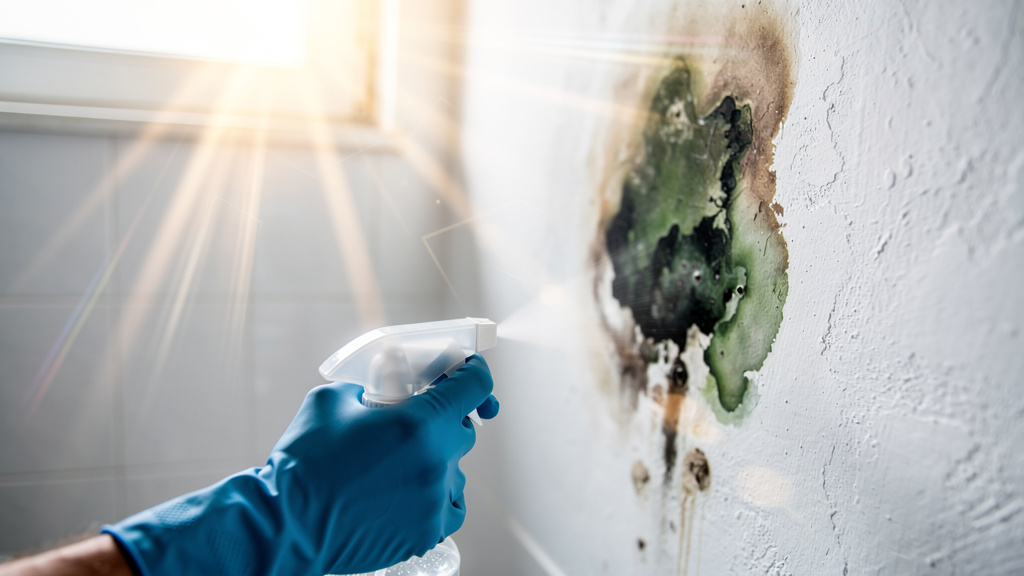
Choosing the right mold remediation solution doesn’t have to be complicated — but when time is of the essence, the usual advice often misses the point entirely. We’ve seen countless emergency scenarios where quick, decisive action made all the difference between a minor cleanup and extensive property damage. The reality is that mold often spreads faster than you expect, and what works in routine mold removal services won’t always cut it in urgent cases.
Table of Contents
- What Sets Our Mold Remediation Apart: Experience You Can Count On
- Why Common Advice on Mold Remediation Often Misses the Mark
- How to Know When Mold Remediation Is Needed—and What To Expect
- Mold Prevention Tips for Homeowners: What Really Works
- The Standard Advice on Mold Cleanup Is Usually Wrong — Here’s Why
- How Much Does Mold Remediation Cost? Understanding What Influences Pricing
- Summary and Next Steps: What Should You Do About Mold Remediation?
Here’s the thing: many homeowners and property managers focus on superficial fixes or generic do-it-yourself approaches that only tackle visible mold. However, the mold spores exposed in hidden cavities or behind walls continue to thrive, causing persistent problems long after the initial cleanup. Our team has handled situations where a delayed response or an incomplete mold inspection and testing phase led to recurring infestations — a mystery that can frustrate even the most diligent property owners.
What most people don’t realize is that professional mold remediation in an emergency is not just about removing what’s visible but about stopping mold at its source immediately. Rapid containment, thorough moisture control, and targeted air filtration are critical. We’ve been called to properties where an early intervention prevented the mold from spreading to HVAC systems or structural components, which saved thousands in unexpected repairs. The secret to a successful emergency mold remediation isn’t just speed — it’s precision combined with experience navigating the unique challenges rapid mold removal services bring. For more information, see our guide on Tackling Mold Prevention and Treatment in Parkland New Construction Homes.
How do you know when a situation demands immediate professional attention? What are the exact steps to take when mold is discovered after a flood or sudden leak? We’ll explore these questions and more, sharing practical insights grounded in the real-world complexity of emergency mold remediation. According to IICRC guidelines, proper remediation requires a balance of containment, removal, and prevention methods tailored to each scenario, which is exactly what we focus on when the clock is ticking.
Most mold remediation advice fails in emergency situations because it often overlooks the urgency of containment and professional intervention, leading to ineffective removal and rapid mold spread. Emergency scenarios require immediate, specialized actions beyond standard DIY methods to prevent health risks and structural damage.
What Sets Our Mold Remediation Apart: Experience You Can Count On
With years of experience helping clients overcome mold problems in diverse environments, we’ve developed a deep understanding of what truly works—and what doesn’t. Our work has taken us behind the scenes of countless mold cleanup processes, from residential basements to commercial HVAC systems. This hands-on knowledge has shaped our approach into one that focuses on thoroughness, safety, and lasting results. For more information, see our guide on Why Pembroke Pines Mold Demands Specialized Remediation Approaches in South Florida.
For example, in a recent project involving extensive HVAC mold contamination in a large office building, we were able to identify hidden mold growth deep within the ductwork—a source that had eluded previous attempts at cleanup. Our team coordinated a multi-step remediation that included sealing off affected zones, using specialized equipment to clean and treat the ducts, and applying antimicrobial coatings that prevent future regrowth. The job took just under two weeks and resulted in improved air quality and a significant reduction in mold spore counts verified by independent testing afterward.
Our experience has taught us that mold remediation is never a one-size-fits-all process. It requires detailed investigation and customized solutions. We rely on proven techniques combined with practical insights gained over many projects. This approach ensures we not only remove visible mold but also address invisible contamination and underlying moisture problems to achieve lasting relief for our clients. For more information, see our guide on Why Choosing Mold Remediation Based on Inspection Accuracy Matters in Fort Lauderdale, FL.
Why Common Advice on Mold Remediation Often Misses the Mark
Most companies tell you mold remediation is simply about removing what you can see—scraping off moldy surfaces, cleaning with bleach, or using standard air filters. Here’s what we have actually found doing this work day in and day out: this approach often leaves behind spores and mold roots embedded deep in materials or hidden inside HVAC systems. The result? Mold quickly comes back, sometimes worse than before.
The standard advice on this is that bleach is enough to kill mold. That’s usually wrong—and here’s why. Bleach may remove surface mold, but it doesn’t penetrate porous surfaces like drywall, wood, or insulation where mold colonies thrive. Plus, bleach can create more moisture, sometimes worsening the problem. We stopped doing it that way after seeing recurring mold within weeks in multiple cases. Instead, our team uses targeted cleaning agents designed specifically for mold, along with drying techniques and material removal if necessary to fully eradicate the source.
You’ll see most guides recommend ignoring HVAC mold contamination unless there’s visible buildup in vents. We challenge this too. What most people don’t realize is the effects of HVAC on mold growth are significant. Mold loves the cool, damp environment of air ducts, and spores can spread throughout an entire building when the system runs. Preventing mold in air ducts requires detailed inspection, cleaning, and sometimes replacement of parts—not just surface wiping. Our solutions focus on these hidden growth areas, which many others overlook.
How to Know When Mold Remediation Is Needed—and What To Expect
When should you call for professional mold remediation? A quick rule of thumb: if you notice a persistent musty smell, visible mold patches larger than a few square inches, or health symptoms like allergy-like reactions that worsen indoors, it’s time to act. Another red flag is unexplained moisture or water damage, especially near HVAC equipment or plumbing fixtures.
What happens next is a straightforward, systematic mold cleanup process. We begin with a thorough assessment to identify all affected areas, including hidden or hard-to-reach spots. This often includes moisture mapping, air sampling, and visual inspections behind walls or inside ducts. Then we contain the affected zones to prevent spore spread. Cleaning methods vary depending on the material—we use HEPA vacuuming, specialized detergents, and abrasive techniques when appropriate.
Finally, we address the root cause: moisture control. Without fixing leaks, condensation, or humidity issues, mold will return no matter how well the cleanup is done. Our team works with clients to recommend and implement solutions like improved ventilation, dehumidification, or repairs that reduce fungal growth risks.
The short answer: effective mold remediation requires more than quick fixes or surface cleaning. It demands a detailed, customized plan and a commitment to addressing moisture problems. Our work shows that this approach not only removes mold but also improves indoor air quality and protects building health over time.
Mold Prevention Tips for Homeowners: What Really Works
When we talk about mold prevention tips for homeowners, there’s a lot of general advice out there: keep humidity low, fix leaks promptly, and ventilate bathrooms. These are all valid starting points. However, our experience shows that prevention must go beyond these basic steps to be truly effective. For example, many homeowners overlook hidden sources of moisture that quietly feed mold growth—think behind drywall, under flooring, or inside HVAC systems.
Industry standards, like those recommended by the Environmental Protection Agency (EPA), emphasize moisture control as the key to preventing mold. Still, we’ve found that proactive moisture management requires a detailed, systematic approach. This means routine inspections focused on less obvious places where water intrusion occurs. In many cases, simple fixes like improving drainage around a foundation or sealing crawl spaces can make an outsized difference in stopping mold before it starts.
We also recommend using a reliable hygrometer to monitor indoor humidity consistently. Keeping levels below 60% drastically reduces mold risk. But here’s the thing: many moisture problems originate outdoors or in the structure itself, so indoor humidity control alone won’t solve everything. Our team often encounters homes where humidity is well controlled, yet mold persists because of an unresolved leak or condensation issue somewhere hidden.
The Standard Advice on Mold Cleanup Is Usually Wrong — Here’s Why
You’ll see most guides recommend scrubbing moldy areas with bleach or household cleaners. That sounds straightforward and works for tiny spots on nonporous surfaces. But here’s what our crews have actually found day in and day out: these quick fixes rarely address the root problem and often make matters worse by spreading mold spores.
Bleach can kill surface mold, but it doesn’t penetrate porous materials where mold colonies thrive. That means mold can regrow beneath the surface, hidden and ready to return. Moreover, using harsh chemicals without addressing moisture sources is like painting over rust. It looks fine temporarily but fails structurally long-term.
Our approach focuses first on comprehensive assessment to identify all affected materials and moisture entry points. We remove contaminated porous materials carefully to prevent spore dispersal. Then, we dry and treat the area with specialized solutions designed to inhibit mold growth without masking symptoms.
We’ve seen cases where homeowners followed standard bleach advice, only to face worsening air quality and more stubborn mold outbreaks weeks later. Signs of mold in HVAC systems are a classic example—mold hidden inside ductwork or coils won’t vanish with surface cleaning alone. This often requires professional-grade cleaning and moisture control strategies.
If you want effective, lasting success, it’s crucial to think beyond surface cleaning. Our experience shows that prevention, removal, and repair must be integrated into a seamless plan. This is how we ensure mold doesn’t just disappear temporarily but stays gone.
How Much Does Mold Remediation Cost? Understanding What Influences Pricing
When clients ask about a mold remediation cost estimate, they usually want a simple number upfront. The reality is more complex. The price depends on multiple factors including the extent of contamination, the type of materials affected, access to the areas, and how deeply mold has penetrated.
Most mold remediation work we handle falls within a moderate price range, but major projects can escalate quickly if hidden damage is found during the process. For instance, one recent case involved a home where mold was discovered behind wall insulation across several rooms—what looked minor initially turned into a full-scale removal and reconstruction job.
We always emphasize transparency. Before any work begins, we provide detailed assessments outlining what’s involved, so homeowners understand what influences costs. Being upfront about these factors helps avoid surprises and builds trust from the start.
Additionally, some customers ask if mold remediation is safe without professional help. We advise caution. Disturbing mold without proper containment and removal techniques can worsen air quality and health risks. According to the Centers for Disease Control and Prevention (CDC), improper handling can spread mold spores throughout the home, exacerbating the problem.
That’s why responsiveness and clear communication are integral to our process. We listen carefully to each situation, tailor our solutions to the home’s needs, and keep clients informed every step of the way. Our track record reflects this commitment. Whether it’s a straightforward cleanup or a complex remediation, the goal is painless, effective work you can rely on.
For additional insights on choosing mold remediation based on inspection accuracy, we recommend checking out our detailed discussion here: Why Choosing Mold Remediation Based on Inspection Accuracy Matters in Fort Lauderdale, FL. It highlights how thorough evaluation is fundamental to controlling costs and ensuring success.
People Also Ask
What is mold remediation?
How long does mold remediation take?
Can I do mold remediation myself?
How much does mold remediation cost?
How can I prevent mold growth after remediation?
❓ Frequently Asked Questions
Summary and Next Steps: What Should You Do About Mold Remediation?
Mold issues come in many forms, and knowing how to approach them can feel overwhelming. After diving deep into how mold grows, what risks it presents, and the variety of remediation options, the key takeaways are clear: addressing mold early and comprehensively saves time, money, and health.
Here’s what we’ve observed over countless cases: mold in ventilation systems is a hidden troublemaker. You might not see it, but it circulates spores relentlessly, worsening indoor air quality. Tackling visible mold alone is often not enough if the underlying cause remains unattended. That’s why identifying all sources of moisture and mold growth is the foundation of effective remediation.
How to stop mold growth indoors? It boils down to controlling humidity, repairing leaks promptly, and ensuring proper ventilation. Simple steps like running exhaust fans in bathrooms, using dehumidifiers in damp basements, and fixing cracked pipes can prevent mold before it takes hold. Prevention is always easier than repair.
When mold damage repair services become necessary, choosing a team that understands the nuances of mold behavior and damage patterns makes a difference. For example, we once handled a home where family members experienced unexplained respiratory issues. It turned out mold hidden behind drywall and in the HVAC ducts was the culprit. Addressing only the visible spots would not have resolved the problem. Comprehensive inspection and targeted remediation made all the difference in restoring a safe living environment.
We also want to be upfront about when professional mold remediation might not be the right path for everyone. Small, isolated patches of mold on non-porous surfaces can sometimes be managed with careful cleaning and moisture control. However, if mold covers a large area, recurs frequently, or involves complex structures like ventilation systems, expert solutions become vital to prevent ongoing damage.
Our team focuses on responsiveness and direct communication. We work to clarify the extent of mold issues and lay out realistic, effective steps—not overpromising quick fixes. While we don’t offer guarantees or licenses, we do provide straightforward assessments backed by a track record of helping clients regain control over their indoor environment.
For those weighing options, understanding the balance between DIY approaches and professional help is crucial. The Why Choosing Mold Remediation Based on Inspection Accuracy Matters in Fort Lauderdale, FL article expands on why precise, thorough inspections form the backbone of successful remediation efforts. Knowing exactly where mold hides and how it affects your property helps avoid wasted time and expense.
Similarly, homeowners dealing with mold in new constructions or areas recovering from water damage may find helpful insights in Tackling Mold Prevention and Treatment in Parkland New Construction Homes. It’s one thing to understand mold growth; it’s another to implement prevention strategies that keep it at bay long term.
So, what are the clear next steps?
- Assess the problem realistically. Look beyond visible mold. Check for musty odors, condensation, or signs of water intrusion.
- Control moisture immediately. Fix leaks, increase airflow, and use dehumidifiers as needed.
- Decide when to call for professional solutions. If mold is widespread, recurring, or inside ventilation systems, expert intervention is essential.
- Choose a remediation approach that fits your situation. From targeted cleaning to full repairs, tailor solutions to your home’s needs.
- Maintain vigilance after remediation. Mold can return if conditions remain favorable. Regular inspections and moisture control protect your investment.
- Why Pembroke Pines Mold Demands Specialized Remediation Approaches in South Florida
- [Why Miramar Hurricane Mold Needs More Than Surface Cleanup in Fort Lauderdale, FL](https://fortlauderdalemoldremediation.us/why-miramar-hurricane-mold-needs-more-than-surface
We understand that mold remediation can be a daunting process. Our goal is to make it as painless as possible by providing clear, honest guidance and proven approaches tailored to each case. We respect homeowners who want to understand their options and make informed choices.
If you’re wondering how much mold remediation costs or when exactly to schedule an assessment, those questions depend on many variables—area affected, materials involved, and extent of mold damage repair services required. We can help clarify what to expect after a thorough evaluation.
Ultimately, controlling mold growth indoors is about combining practical prevention with timely, effective responses when problems arise. That balance protects your property and well-being.
For additional perspectives on mold challenges unique to certain South Florida environments, our resources on locations like Pembroke Pines and Miramar offer valuable details: