Living in Fort Lauderdale, I’ve witnessed firsthand how our warm, subtropical climate creates the perfect breeding ground for mold in homes. Between the persistent humidity, frequent rainstorms, and proximity to waterways like the New River, mold growth is a common challenge for homeowners across Broward County. Understanding which mold species are most prevalent here and how to safely remove them is essential to protecting your home and health.
The most common mold species found in Fort Lauderdale homes include Cladosporium, Aspergillus, Penicillium, and Stachybotrys (black mold). These molds thrive in our humid subtropical climate and often grow in damp areas like bathrooms, crawl spaces, and near leaks. Effective removal involves identifying the mold type, controlling moisture, and employing professional remediation techniques to safely eliminate the infestation and prevent recurrence.
Why Fort Lauderdale’s Climate Encourages Mold Growth
Fort Lauderdale’s subtropical climate means we experience high humidity levels averaging 70-80% for much of the year. When combined with frequent afternoon thunderstorms and the salty air from the Atlantic Ocean, this creates an environment where mold spores can easily settle and flourish inside homes. Areas near bodies of water like the New River or canals in Broward County are especially prone to moisture intrusion and mold issues.
Homes in older neighborhoods such as those near Las Olas Boulevard often have aging plumbing and foundations that can develop leaks, further increasing mold risk. Even newer construction can face challenges if HVAC systems aren’t properly maintained to control indoor humidity.
Common Mold Species in Fort Lauderdale Homes
Cladosporium
Cladosporium is one of the most common outdoor and indoor molds in Fort Lauderdale. It appears as olive-green to black patches and often grows on wood, carpets, and behind wallpaper. This mold thrives in damp areas such as bathrooms and basements. Though generally less toxic than black mold, Cladosporium can trigger allergic reactions and respiratory issues in sensitive individuals.
Aspergillus
Another frequent mold species in Broward County homes is Aspergillus. It can appear in various colors, including yellow, green, or black, and is often found on damp ceilings, walls, and HVAC systems. Aspergillus spores can cause allergic reactions and, in rare cases, more serious infections, especially in people with weakened immune systems.
Penicillium
Penicillium mold tends to grow on water-damaged materials like drywall, insulation, and carpets. It’s recognizable by its blue or green fuzzy appearance. Because Penicillium spreads rapidly in moist environments, it’s important to address leaks and water damage quickly to prevent significant infestations.
Stachybotrys (Black Mold)
Known as “black mold,” Stachybotrys is less common but more hazardous. It grows on materials with high cellulose content, such as wood, paper, and drywall, especially after prolonged water exposure. Black mold releases mycotoxins that can cause severe health problems including respiratory distress, headaches, and fatigue. In Fort Lauderdale’s humid climate, black mold is often found in poorly ventilated bathrooms, crawl spaces, and attics.
How to Remove Mold from Your Fort Lauderdale Home
Removing mold effectively requires a combination of identification, moisture control, and professional remediation. Here’s what I recommend based on experience working with Fort Lauderdale Mold Remediation Pros:
Step 1: Identify and Assess the Mold
Start by locating all visible mold patches and assessing the extent of the infestation. In Fort Lauderdale homes, look closely around plumbing fixtures, behind baseboards, inside crawl spaces, and near windows where condensation is common. It’s important to determine if the mold is surface-level or has penetrated porous materials like drywall or wood.
Step 2: Control Moisture Sources
Since mold growth depends on moisture, the next step is eliminating leaks, improving ventilation, and using dehumidifiers to reduce indoor humidity below 50%. In Broward County’s subtropical climate, this is critical year-round. Pay special attention to HVAC systems by cleaning and servicing them regularly to prevent mold spores from spreading through air ducts.
Step 3: Professional Mold Remediation
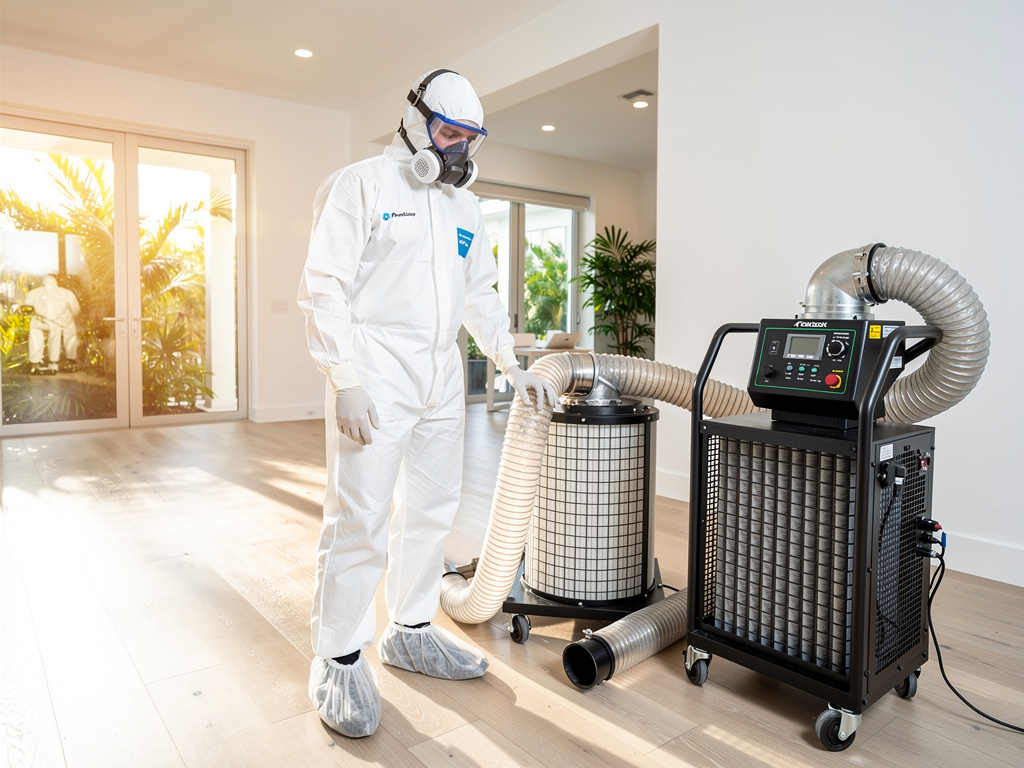
For mold infestations larger than 10 square feet or when dealing with toxic black mold, hiring a professional mold remediation company is essential. Fort Lauderdale Mold Remediation Pros use industry-best practices including containment, HEPA air filtration, safe removal of contaminated materials, and antimicrobial treatments to clean affected areas thoroughly.
Attempting to remove mold yourself without proper gear and training can spread spores and worsen the problem. Professionals also conduct post-remediation testing to ensure your home is mold-free.
Preventing Mold Recurrence in Fort Lauderdale Homes
After remediation, ongoing maintenance is key to preventing mold from returning. Some tips I follow include:
- Running exhaust fans in bathrooms and kitchens during and after use
- Using a dehumidifier during our humid summer months
- Sealing foundation cracks and roof leaks promptly
- Keeping gutters clean to prevent water intrusion
- Regularly inspecting plumbing for leaks or condensation
- Ensuring proper grading around your home to direct water away from the foundation
Being proactive about moisture control in our Fort Lauderdale environment can save you from costly mold problems down the road.
Frequently Asked Questions
What mold species are most dangerous to health in Fort Lauderdale homes?
Stachybotrys, or black mold, poses the highest health risk due to its mycotoxins, which can cause respiratory problems, headaches, and fatigue. Aspergillus can also be harmful, especially for those with weakened immune systems. It’s important to address any mold growth promptly regardless of species.
Can I remove mold myself or should I hire a professional?
Small mold patches (under 10 square feet) can sometimes be cleaned with proper protective equipment and mold removal products. However, larger infestations or toxic molds like black mold require professional remediation to ensure safe and thorough removal without spreading spores.
How can I prevent mold growth in my Fort Lauderdale home year-round?
Maintaining indoor humidity below 50% using dehumidifiers and ventilation, fixing leaks immediately, keeping gutters clean, and regularly servicing HVAC systems are key steps. Running exhaust fans during showers and cooking also helps reduce moisture buildup that encourages mold growth.
If you’re struggling with mold in your Fort Lauderdale or Broward County home, don’t wait until it worsens. Call Fort Lauderdale Mold Remediation Pros at (954) 686-3836 for expert evaluation and safe, effective mold removal. Our team at 300 SE 2nd St Suite 600 is ready to help you protect your home and family from the harmful effects of mold.