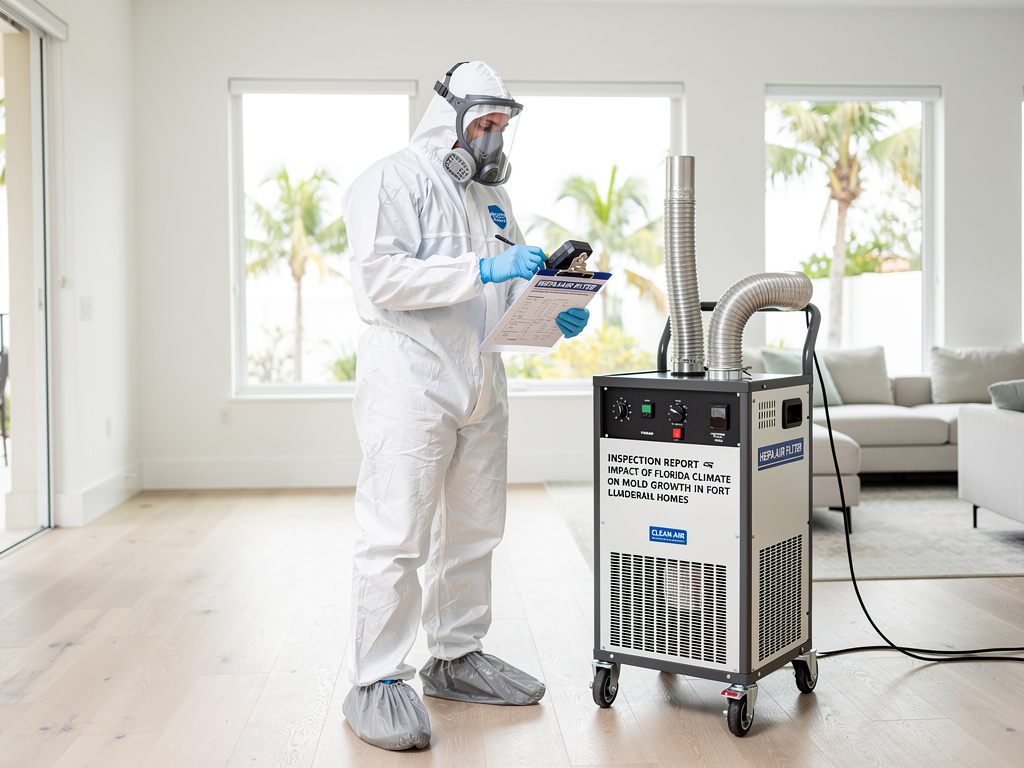
Living in Fort Lauderdale is a dream for many—beautiful beaches, vibrant neighborhoods like Las Olas, and the serene views of the New River. But as a local homeowner and mold remediation specialist, I’ve seen firsthand how our subtropical climate can create a perfect storm for mold growth inside homes. Understanding how Florida’s unique weather patterns impact mold is crucial for keeping your home safe and healthy.
The high humidity and warm temperatures typical of Fort Lauderdale and the greater Broward County area create ideal conditions for mold growth in homes. Moisture from frequent rains and coastal air combined with poor ventilation allows mold to thrive on walls, ceilings, and other surfaces, making proactive mold prevention and remediation essential for local homeowners.
Why Fort Lauderdale’s Climate Fuels Mold Growth
Fort Lauderdale’s subtropical climate means we experience hot, humid summers and mild winters. Average relative humidity often hovers around 70% or higher, and the city receives nearly 60 inches of rainfall annually, mostly concentrated in the wet season from May through October. This combination creates persistent moisture problems inside homes.
When humidity levels remain above 60%, mold spores that are naturally present in the environment find it easy to settle and multiply on organic materials like drywall, wood, and carpet. The challenge is especially pronounced in areas near the New River or coastal neighborhoods where salty air can contribute to condensation issues on windows and walls.
Rainy Season and Indoor Moisture Challenges
During Fort Lauderdale’s rainy season, sudden downpours and tropical storms can lead to water intrusion through roofs, windows, and even foundations if homes are not properly sealed or maintained. This trapped moisture creates perfect breeding grounds for mold, especially in attics, crawlspaces, and basements.
Many Broward County homes built before modern waterproofing standards are particularly vulnerable. Even newer homes with AC systems can experience moisture buildup if ventilation is inadequate or if HVAC units are not regularly serviced.
Common Mold-Prone Areas in Fort Lauderdale Homes
As a local mold remediation professional, I’ve seen mold infestations most frequently in these areas:
- Bathrooms and Kitchens: High humidity from showers, cooking, and poor ventilation encourages mold on tiles, grout, and behind cabinets.
- Attics and Roof Spaces: Leaks from heavy rains or clogged gutters can saturate insulation and wood framing.
- Basements and Crawlspaces: Though less common in some Fort Lauderdale homes, these areas can trap moisture after flooding or from high groundwater levels near the New River.
- Windows and Door Frames: Condensation buildup from humid air meeting cooler indoor temperatures often causes mold growth around seals and sills.
How Ventilation Impacts Mold Growth
Proper airflow is a key defense against mold, yet many homes in Broward County suffer from inadequate ventilation. Modern energy-efficient windows and tightly sealed doors reduce outdoor air exchange, trapping humid indoor air. Without exhaust fans in bathrooms or kitchens, moisture accumulates quickly.
Using dehumidifiers and ensuring your HVAC system is managing indoor humidity below 60% can dramatically reduce mold risk. Regularly cleaning and changing HVAC filters also helps prevent mold spores from circulating.
Preventing Mold Growth in Fort Lauderdale Homes
While the Florida climate poses challenges, there are practical steps every homeowner can take to minimize mold growth:
- Maintain your roof and gutters: Keep gutters clear to prevent water overflow and check for leaks after storms.
- Use exhaust fans: Run fans during and after showers or cooking to reduce humidity.
- Control indoor humidity: Use air conditioners and dehumidifiers, especially during the summer wet season.
- Seal windows and doors: Ensure weather stripping is intact to prevent rainwater intrusion and condensation.
- Inspect hidden areas: Check behind appliances, under sinks, and inside closets regularly for signs of mold or moisture.
When to Call Fort Lauderdale Mold Remediation Pros
If you notice musty odors, visible mold patches, or experience allergy-like symptoms indoors, it’s time to get a professional inspection. Mold growth can become a serious health hazard and damage your home’s structure if left untreated.
At Fort Lauderdale Mold Remediation Pros, we specialize in identifying mold sources quickly and implementing safe, thorough removal methods tailored to Broward County homes. Our team understands the unique challenges posed by Fort Lauderdale’s climate and works hard to restore your home’s safety and comfort.
Frequently Asked Questions
Why does mold grow so easily in Fort Lauderdale homes?
Fort Lauderdale’s warm temperatures combined with high humidity and frequent rains create an environment where mold spores can easily settle and grow on indoor surfaces. Moisture from coastal air and poor ventilation further exacerbates the problem.
What are the health risks of mold exposure for homeowners in Broward County?
Exposure to mold spores can cause allergic reactions, respiratory issues, and aggravate asthma symptoms. In some cases, prolonged exposure to certain types of mold may lead to more serious health complications, especially for children, elderly, or those with compromised immune systems.
How can I reduce indoor humidity to prevent mold during Fort Lauderdale’s rainy season?
Use air conditioning and dehumidifiers to keep indoor humidity below 60%. Make sure exhaust fans in bathrooms and kitchens are functional and used regularly. Also, keep windows closed during heavy rains and promptly repair any leaks or water damage.
If you’re dealing with mold concerns in your Fort Lauderdale home, don’t wait to act. Contact Fort Lauderdale Mold Remediation Pros at (954) 686-3836 for expert service tailored to the unique climate challenges of Broward County. Our office is conveniently located at 300 SE 2nd St Suite 600, Fort Lauderdale, FL 33301. Protect your home and family today!