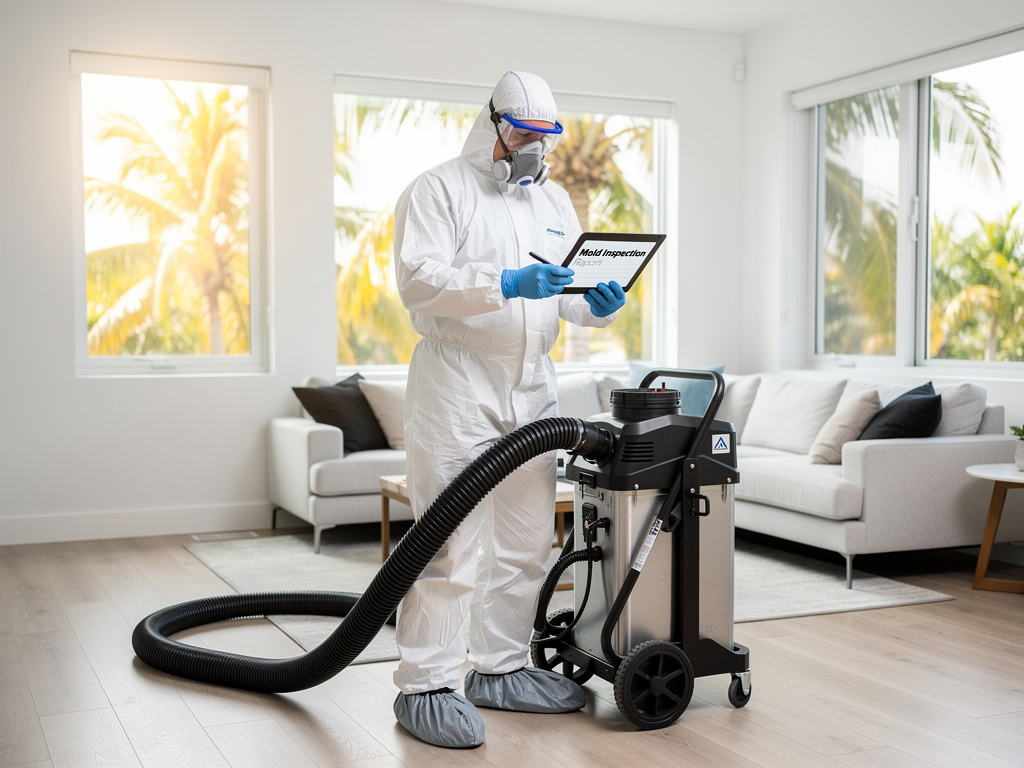
Landlord and Tenant Responsibilities for Mold in Fort Lauderdale Rental Properties
Living in Fort Lauderdale means enjoying beautiful beaches, vibrant neighborhoods like Las Olas, and the scenic New River. But it also means dealing with subtropical humidity that can create the perfect environment for mold growth in rental properties. As both a landlord and tenant, understanding your responsibilities when it comes to mold is crucial to maintaining a safe, healthy home and protecting your investment.
In Fort Lauderdale rental properties, landlords are responsible for addressing mold caused by structural issues or maintenance failures, while tenants must promptly report mold and prevent moisture buildup from their daily activities. Both parties share the duty of keeping the property dry and safe, but ultimately, landlords must ensure the home is habitable and mold-free.
The Subtropical Climate Challenge in Fort Lauderdale
Fort Lauderdale’s subtropical climate, with its high humidity levels and frequent rainstorms, especially during the summer and hurricane season, creates a perfect storm for mold growth. Broward County renters often face mold issues in basements, bathrooms, and around windows where moisture accumulates. Even properties along the New River and near the coast, where salt air combines with humidity, can experience mold problems faster than in drier climates.
How Mold Grows in Rental Properties
Mold spores are everywhere in the air, but they only thrive where there’s moisture and organic material. Leaky roofs, plumbing leaks, poor ventilation, and water intrusion from storms are common causes landlords must address. Tenants, on the other hand, can inadvertently cause mold by not running exhaust fans, drying clothes indoors, or failing to report leaks promptly.
Landlord Responsibilities for Mold in Fort Lauderdale Rentals
Florida law requires landlords to provide a safe and habitable living environment, which includes addressing mold issues that arise from structural or maintenance failures. In Fort Lauderdale, landlords must:
- Maintain the property: Ensure roofs, windows, plumbing, and HVAC systems are in good repair to prevent water intrusion and excessive humidity.
- Respond promptly: When tenants report mold or leaks, landlords should investigate immediately and take necessary remediation steps.
- Hire qualified professionals: Mold remediation should be handled by certified experts to fully remove the mold and prevent recurrence.
- Disclose mold issues: Landlords must disclose any known mold problems to prospective tenants before leasing.
Ignoring mold problems can lead to tenant complaints, legal liability, and damage to the property—especially in a climate like Fort Lauderdale’s.
Tenant Responsibilities in Preventing and Reporting Mold
While landlords handle structural causes, tenants play a vital role in preventing mold by managing daily moisture levels. Tenants should:
- Report leaks and mold immediately: Early notification allows landlords to act before mold spreads.
- Use ventilation: Run bathroom and kitchen exhaust fans during and after showers or cooking.
- Control indoor humidity: Use dehumidifiers if necessary, especially during rainy or humid months.
- Avoid drying clothes indoors: This can increase moisture and provide a breeding ground for mold.
- Keep the property clean: Wipe down surfaces where condensation forms and avoid clutter that traps moisture.
Tenants who neglect these responsibilities may be held responsible for mold damage caused by their actions or inactions.
Communication is Key: Working Together to Solve Mold Issues
In Fort Lauderdale’s humid environment, mold is a shared concern. Open communication between landlords and tenants is essential. If you’re a tenant noticing mold or moisture, don’t delay in reaching out to your landlord. Likewise, landlords should maintain regular property inspections and provide guidance to tenants on mold prevention.
When to Call Professional Mold Remediation Experts
Minor mold patches might seem manageable, but in our humid climate, mold can quickly take hold and affect indoor air quality and health. Fort Lauderdale Mold Remediation Pros specialize in thorough mold assessments and certified removal services tailored for local conditions. We understand how Broward County’s unique climate impacts mold growth and provide safe, effective solutions to protect your rental property.
Frequently Asked Questions
Who is responsible for mold remediation in a Fort Lauderdale rental property?
Generally, the landlord is responsible for mold caused by structural issues or maintenance failures, while tenants must report mold promptly and avoid behaviors that increase moisture. Landlords must ensure the property is habitable and free of mold.
What should tenants do if they find mold in their rental unit?
Tenants should notify their landlord immediately, avoid disturbing the mold, and take steps to reduce moisture, such as using ventilation fans and keeping the area dry while waiting for professional remediation.
Can a landlord be held liable if a tenant develops health problems due to mold?
Yes, if the landlord failed to maintain the property or address mold issues in a timely manner, they could be held liable for health problems caused by mold exposure. Proper maintenance and prompt remediation are crucial.
Dealing with mold in Fort Lauderdale rental properties requires cooperation and awareness of local conditions. If you are a landlord or tenant facing mold issues, don’t wait to get professional help. Contact Fort Lauderdale Mold Remediation Pros at (954) 686-3836 for expert assessment and remediation services. Our team is ready to help you protect your health and property in Broward County’s challenging climate.