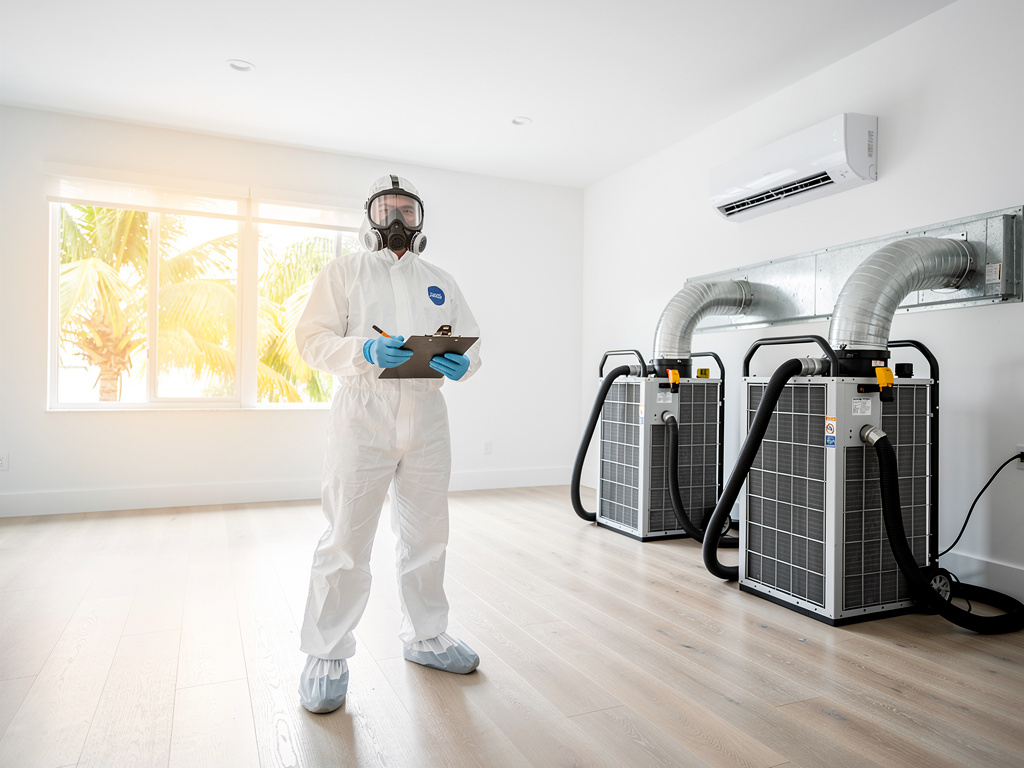
HVAC and Air Conditioner Mold Issues in Fort Lauderdale Homes
Living in Fort Lauderdale means enjoying our beautiful subtropical climate, but it also means dealing with high humidity levels that can create the perfect breeding ground for mold. As a homeowner here in Broward County, especially around areas like Las Olas and the New River, I’ve learned firsthand how mold can develop inside HVAC systems and air conditioners—often unnoticed until it impacts indoor air quality and health.
Mold growth inside HVAC and air conditioner units is a common problem in Fort Lauderdale homes due to our region’s high humidity and warm temperatures. Moisture accumulation inside these systems creates an ideal environment for mold, which can then spread spores throughout your home. Regular inspection, cleaning, and timely mold remediation are essential to prevent damage and protect your family’s health.
Why Fort Lauderdale’s Climate Makes Mold in HVAC Systems a Persistent Problem
Fort Lauderdale’s subtropical climate, characterized by high humidity often exceeding 70%, creates a constant challenge for homeowners. The combination of warm temperatures and moisture means that air conditioning units run almost year-round, and this continuous operation leads to condensation buildup inside ducts, drip pans, and coils.
When moisture remains trapped inside these HVAC components, it forms an ideal environment for mold spores to settle and grow. Broward County homeowners might notice musty odors or experience allergy symptoms that worsen indoors, both signs that mold could be lurking within their air conditioning systems.
Common Mold-Prone Areas Inside HVAC and AC Units
- Evaporator coils: These cool the air but often accumulate condensation, which if not drained properly, turns into standing water.
- Drip pans: Designed to catch condensation, these pans can overflow or become clogged, leading to stagnant water.
- Ductwork: Moisture inside ducts can go unnoticed until mold spreads and affects indoor air quality.
- Filters: Dirty or clogged filters can hold moisture and dust, encouraging mold growth.
How to Detect Mold in Your HVAC and Air Conditioning System
Detecting mold early in your HVAC system is crucial, especially in Fort Lauderdale, where humidity accelerates mold growth. Some common signs include:
- Musty or moldy smells: Persistent odors when the AC is running often indicate mold inside the system.
- Visible mold spots: Sometimes mold can be seen around vents or inside the air handler unit.
- Increased allergy symptoms: Sneezing, coughing, or watery eyes that worsen indoors might be linked to airborne mold spores.
- Excess moisture or water leaks: Pools of water near the HVAC unit or dampness inside ducts are warning signs.
Scheduling regular HVAC maintenance with professionals who understand Broward County’s climate is key to spotting these issues before they escalate.
Steps to Prevent Mold Growth in Your Fort Lauderdale HVAC System
Preventing mold requires a proactive approach tailored to our unique local environment. Here are practical steps I recommend:
1. Regular HVAC Maintenance and Inspections
Have your air conditioner inspected at least twice a year by certified technicians who can clean drip pans, coils, and ducts. This reduces moisture accumulation and removes early mold growth.
2. Replace or Clean Air Filters Frequently
In humid climates like Fort Lauderdale, filters can become saturated quickly. Change or clean them every 1-3 months to prevent mold spores from circulating.
3. Control Indoor Humidity Levels
Use dehumidifiers or your AC’s humidity control features to keep indoor humidity below 60%. This is especially important in areas of the home near the New River or other water bodies where moisture is higher.
4. Ensure Proper Drainage
Make sure drip pans and condensate drains are clear and functioning. Blockages lead to standing water—prime mold habitat.
The Importance of Professional Mold Remediation in Fort Lauderdale
If you suspect mold inside your HVAC or air conditioning system, it’s crucial to call professionals experienced in mold remediation here in Fort Lauderdale and Broward County. DIY cleaning can sometimes spread spores or fail to fully eradicate mold, especially hidden mold deep inside ducts or coils.
Professional remediation includes thorough inspection, containment, removal, and cleaning using specialized equipment and EPA-registered products. This ensures your home’s air quality improves and your family remains safe.
Frequently Asked Questions
How quickly can mold grow inside an air conditioning unit in Fort Lauderdale?
Due to our warm and humid climate, mold can begin to develop inside an air conditioner within 24 to 48 hours if moisture is present and not addressed promptly.
Can regular air conditioning use prevent mold growth?
While running your air conditioner helps reduce indoor humidity, it can also cause condensation buildup inside the system. Without proper maintenance, this moisture can lead to mold growth despite regular use.
Is it safe to stay in my home if mold is found in the HVAC system?
Minor mold growth may not immediately harm most healthy individuals, but prolonged exposure can cause respiratory issues, allergies, and other health problems. It’s best to have mold professionally removed promptly to ensure a safe living environment.
If you’re experiencing mold issues in your HVAC or air conditioning system anywhere in Fort Lauderdale or Broward County, don’t wait to get help. Contact Fort Lauderdale Mold Remediation Pros at (954) 686-3836 for fast, reliable mold inspection and remediation services. Our office is located at 300 SE 2nd St Suite 600, Fort Lauderdale, FL 33301, and we’re proud to serve our community with expert solutions to keep your home safe and mold-free.