How to Identify Black Toxic Mold in Fort Lauderdale Homes
Living in Fort Lauderdale’s humid subtropical climate has its perks—beautiful beaches, palm trees swaying in the breeze, and sunny days almost year-round. But with our warm weather and high humidity, especially here in Broward County near the New River and Las Olas Boulevard, there’s a less welcome guest that can quietly invade your home: black toxic mold. As someone who has seen firsthand how this stubborn mold can affect both health and property, I want to share practical tips on how to identify it early before it becomes a bigger problem.
Black toxic mold in Fort Lauderdale homes is typically identified by its dark greenish-black coloration, slimy or powdery texture, and musty odor. It often grows in damp, poorly ventilated areas such as bathrooms, basements, or near water leaks. Recognizing these signs early and seeking professional mold testing is crucial due to its potential health risks.
Understanding Black Toxic Mold and Why It Thrives in Fort Lauderdale
Black mold, scientifically known as Stachybotrys chartarum, is notorious for producing mycotoxins that can negatively impact indoor air quality and health. Our region’s subtropical climate, characterized by high humidity levels often exceeding 70%, creates the perfect breeding ground for this mold. The frequent rainstorms and occasional flooding in areas near the New River and other waterways can cause moisture buildup inside homes, especially if ventilation is lacking.
Older homes in Fort Lauderdale, particularly those built before modern building codes improved moisture barriers, are more susceptible. Even newer constructions can fall victim if plumbing leaks or condensation behind walls go unnoticed.
Common Locations to Inspect for Black Mold in Your Fort Lauderdale Home
Knowing where black mold likes to hide can save you time and frustration during an inspection. Here are some typical spots to check:
- Bathrooms: Shower corners, behind toilets, under sinks, and around window sills often stay damp.
- Basements and Crawl Spaces: Though less common in Fort Lauderdale’s flat terrain, some homes have crawl spaces that trap moisture.
- Behind Walls and Ceilings: Water leaks from roofs or plumbing can cause mold growth inside walls; look for discoloration or bubbling paint.
- Kitchen Areas: Under sinks, around refrigerators, and near dishwashers where water leaks may occur.
- Air Conditioning Units and Ductwork: Our AC systems run frequently to beat the heat; however, condensation can accumulate and foster mold growth inside vents.
Visual and Sensory Clues to Spot Black Toxic Mold
When inspecting your home, here are the key signs of black toxic mold:
- Color: True black mold is usually dark greenish-black, but it can sometimes appear darker or with a slight sheen.
- Texture: It may look slimy when wet or powdery and dusty when dry.
- Odor: A persistent musty, earthy smell often accompanies mold growth—even if you don’t see it immediately.
- Stains or Water Damage: Yellowish or brownish stains on walls or ceilings can hint at moisture issues feeding mold colonies.
- Health Symptoms: If family members experience unexplained allergies, respiratory issues, headaches, or fatigue indoors, mold exposure could be a factor.
Why You Should Never Attempt to Remove Black Mold Yourself
While it might be tempting to scrub away mold with household cleaners, black toxic mold can release spores and mycotoxins into the air during disturbance. This can increase health risks, especially for children, the elderly, and those with asthma or weakened immune systems. Fort Lauderdale’s hot and humid environment makes mold return quickly if underlying moisture problems aren’t addressed.
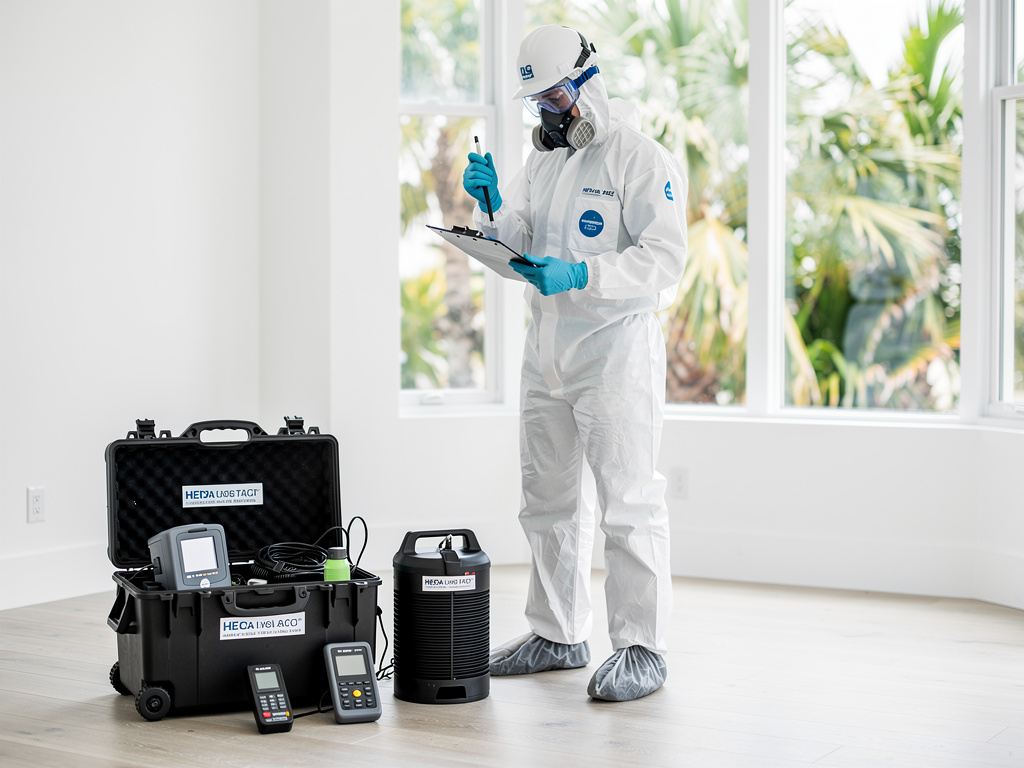
Professional mold remediation services are equipped with specialized containment, air filtration, and cleaning techniques to safely remove mold and prevent recurrence. They also identify and fix moisture sources, which is critical in our climate.
Preventing Black Mold Growth in Fort Lauderdale Homes
Prevention is always better than remediation. Here are some tips that have helped me keep my own Fort Lauderdale home mold-free:
- Control Indoor Humidity: Use dehumidifiers or air conditioning to keep indoor humidity below 60%.
- Fix Leaks Promptly: Regularly inspect plumbing, roofs, and windows for leaks and repair immediately.
- Improve Ventilation: Use exhaust fans in bathrooms and kitchens, and open windows when weather permits.
- Regular Cleaning: Clean bathrooms and other high-moisture areas with mold-inhibiting products.
- Check HVAC Systems: Schedule routine maintenance to prevent condensation buildup in ducts and drip pans.
Frequently Asked Questions
Is all black mold toxic, and should I be worried if I find any black mold in my home?
Not all black molds are toxic, but Stachybotrys chartarum (black toxic mold) does produce harmful mycotoxins. If you find black mold in your home, it’s best to treat it seriously and have a professional assess the situation to determine the species and risk level.
Can I test for black mold myself in Fort Lauderdale?
While DIY mold test kits are available, they often lack accuracy and do not provide species identification or toxin levels. Hiring a certified mold remediation professional is recommended to properly test, identify, and safely remove black toxic mold.
How long does it take for black mold to grow after water damage in Fort Lauderdale’s climate?
In our warm, humid environment, black mold can begin to grow within 24 to 48 hours after water exposure if moisture remains untreated. Prompt drying and water damage mitigation are crucial to prevent mold colonies from establishing.
If you suspect black toxic mold in your Fort Lauderdale home or need expert advice on mold prevention, don’t hesitate to reach out to Fort Lauderdale Mold Remediation Pros. We proudly serve Broward County and the surrounding areas, providing fast, effective, and safe mold removal solutions. Call us today at (954) 686-3836 or visit us at 300 SE 2nd St Suite 600, Fort Lauderdale, FL 33301. Protect your home and health with trusted local professionals.