Living in Fort Lauderdale means enjoying our sunny beaches and vibrant city life, but it also means dealing with our region’s persistent subtropical humidity. As a homeowner here in Broward County, I’ve seen firsthand how that moisture can quickly turn into a mold problem, especially in older homes around Las Olas or near the New River where humidity levels hover high year-round. If you spot mold in your home, you might be wondering: should you tackle the cleanup yourself, or is it better to call in a professional?
For small, surface-level mold growth in non-porous areas, a careful DIY approach can be effective. However, due to Fort Lauderdale’s high humidity and frequent storms that exacerbate mold growth, hiring a professional mold remediation service is often the safest and most thorough solution for larger or hidden infestations.
Why Fort Lauderdale’s Climate Makes Mold a Persistent Problem
Our city’s subtropical climate means high humidity levels often exceed 70%, making mold spores eager to settle and multiply inside homes. After heavy rains or hurricane season, the risk spikes as water intrusion or leaks become more common. Areas near the New River or canal-front properties in Broward County are especially vulnerable because moisture can seep in from the outside environment. Even with air conditioning, poor ventilation or unnoticed leaks can create perfect conditions for mold.
Common Mold-Prone Areas in Fort Lauderdale Homes
- Bathrooms and kitchens with inadequate ventilation
- Basements and crawl spaces, especially if not properly sealed
- Behind drywall or wallpaper where water damage has occurred
- Window sills and door frames exposed to outdoor humidity
DIY Mold Removal: When and How to Do It Safely
For minor mold spots—say, less than a 10 square foot area on tile, glass, or sealed wood—you can often handle the cleanup yourself if you take the right precautions. Use gloves, a mask rated for mold spores (N95 or better), and eye protection. A mixture of water and detergent or a commercial mold cleaner can be applied with a scrub brush or sponge. Be sure to ventilate the area well during and after cleaning.
However, it’s critical to understand that scrubbing mold on porous surfaces like drywall or insulation is often ineffective because mold roots can penetrate deep inside. In Fort Lauderdale’s humid environment, mold can quickly return if the underlying moisture issue isn’t addressed. Also, DIY methods do not include containment measures that prevent spores from spreading to other parts of your home.
Why Hiring Fort Lauderdale Mold Remediation Pros Is Often the Best Choice
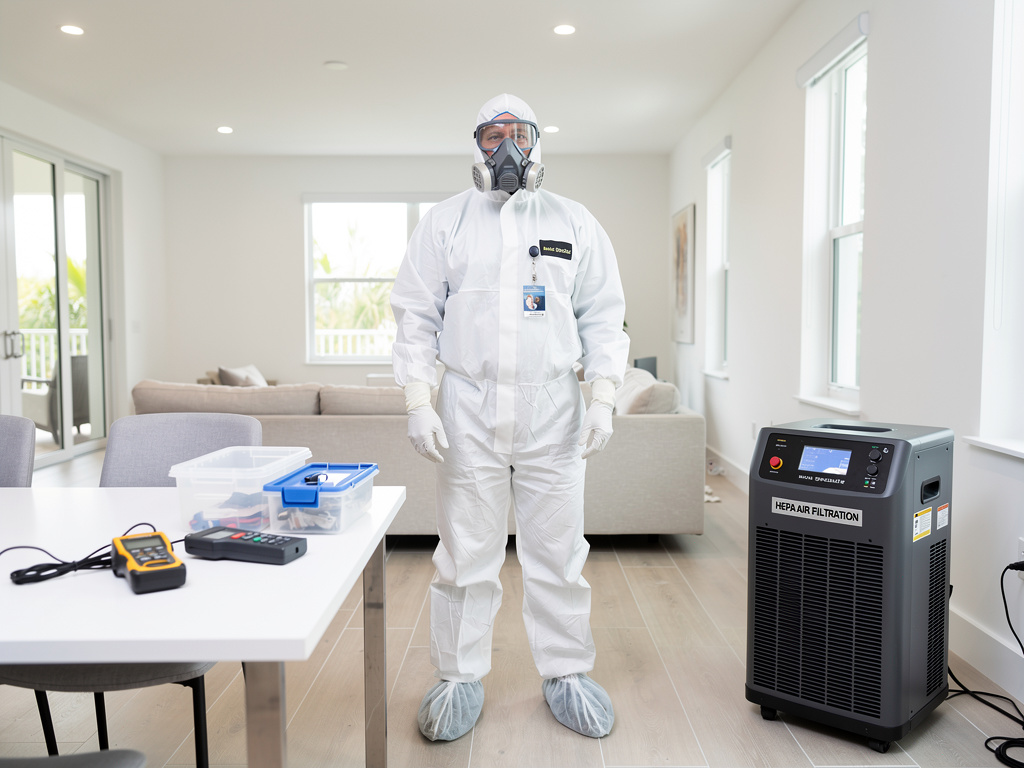
Professional mold remediation experts in Fort Lauderdale bring specialized equipment and expertise that go beyond surface cleaning. They can identify hidden moisture sources—like leaks in roofs, plumbing, or foundation cracks common in our coastal area—and address those to prevent recurrence. Using HEPA air scrubbers and containment barriers, professionals minimize airborne spores during removal, protecting your family’s health.
Moreover, certified mold remediation companies follow strict industry standards and often provide a written mold inspection report. This documentation can be valuable if you decide to sell your home later or need insurance claims after storm damage. With our region’s unique challenges, including hurricane-driven flooding or salt air corrosion, a professional approach ensures you’re dealing with mold comprehensively and safely.
Preventing Mold Growth in Your Fort Lauderdale Home
Whether you choose DIY or professional remediation, ongoing prevention is key in our humid climate. Here are some steps I recommend based on experience living and working in Broward County:
- Maintain air conditioning systems and use dehumidifiers to keep indoor humidity below 50%
- Improve ventilation in bathrooms and kitchens with exhaust fans
- Fix leaks promptly—check roof, windows, and plumbing regularly
- Seal crawl spaces and basements properly to avoid moisture intrusion
- Keep gutters clean and direct water away from the foundation
Frequently Asked Questions
Can I use bleach to remove mold in my Fort Lauderdale home?
Bleach can remove mold on non-porous surfaces like tiles or glass, but it is not recommended for porous materials such as drywall or wood because it doesn’t penetrate deeply enough to kill mold roots. Additionally, bleach can produce fumes harmful in enclosed spaces, so proper ventilation and protective gear are essential if you choose this method.
How do I know if mold is hiding behind my walls or under flooring?
Signs of hidden mold include musty odors, discoloration or bubbling paint, persistent allergy symptoms, or visible water damage. A professional mold inspection, often using moisture meters and infrared cameras, can detect mold behind walls or under floors that is not visible to the naked eye.
Is mold removal covered by homeowners insurance in Fort Lauderdale?
Coverage varies by policy and the cause of mold growth. Typically, sudden and accidental water damage (like a burst pipe) may be covered, while mold from long-term neglect or humidity might not be. It’s best to review your insurance documents or consult your agent. Professional remediation companies can also provide documentation to support insurance claims.
If you suspect mold in your Fort Lauderdale home or want an expert opinion before attempting any cleanup, don’t hesitate to call Fort Lauderdale Mold Remediation Pros at (954) 686-3836. We serve all of Broward County and specialize in safe, thorough mold removal tailored to our unique climate challenges. Protect your home and family by getting the job done right the first time.