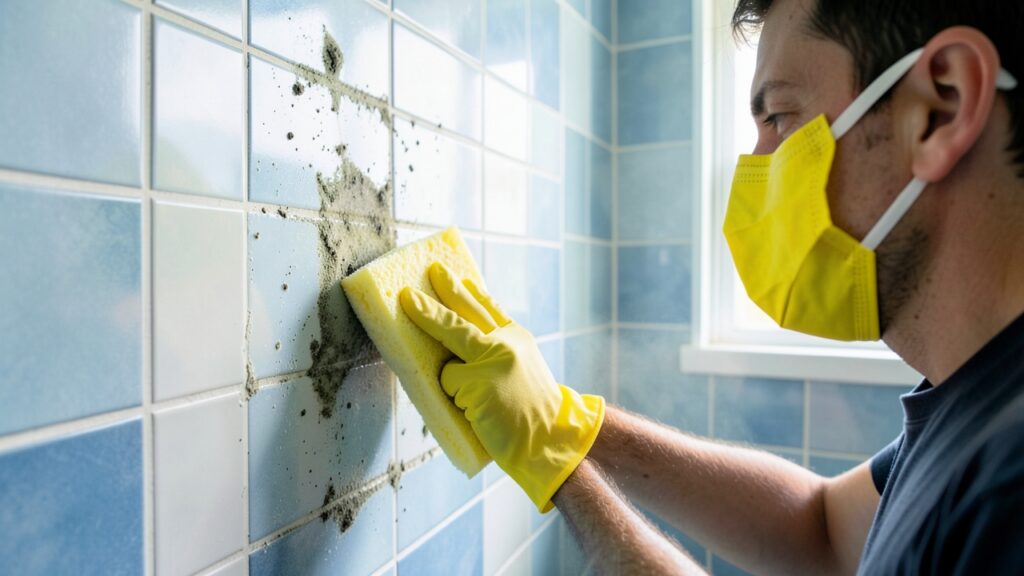
Last month, we responded to a call from a homeowner who had spent weeks trying to tackle mold growth in their basement with DIY cleaners and ventilation—only to find the problem worsening and spreading to adjacent rooms. The frustration was clear: mold isn’t just an eyesore; it’s a persistent problem that can quietly undermine the safety and integrity of your home if not handled properly. From our crews’ fieldwork, we know firsthand that many mold issues start with well-meaning but mistaken attempts at removal that end up making matters worse.
Table of Contents
- What Sets Our Mold Remediation Apart: Experience You Can See
- Why Most Mold Remediation Advice Misses the Mark
- How to Know When to Call Mold Remediation Professionals
- Mold Prevention Tips for Homes That Actually Work
- What Causes Mold in Houses? The Surprising Triggers You Might Overlook
- How Much Does Mold Remediation Cost—and What Affects Pricing?
- What to Remember About Mold Remediation and Your Next Steps
- What We Offer and Why It Matters
- Is Mold Remediation the Right Solution for You?
- Taking Your Next Step: What to Expect When You Call Us
- Final Thoughts: Trust and Transparency in Mold Remediation
Here’s the thing: mold remediation is not just about scrubbing surfaces or spraying chemicals. It’s a multi-step process that requires identifying the root cause, containing contamination, and using proper equipment and techniques to prevent recurrence. Over the years, we’ve seen dozens of situations where quick fixes led to cross-contamination, hidden pockets of mold left untreated, or structural damage overlooked—all because of common errors that most homeowners and some mold removal companies don’t openly discuss.
After more of these jobs than we can count, we can tell you exactly why understanding these pitfalls upfront makes all the difference. Whether you’re searching for “mold removal companies near me” or curious how to remove mold safely yourself, this guide will reveal insider insights that can help you avoid costly mistakes and get quality results the first time around. Along the way, we’ll share patterns our technicians uncover during professional mold cleanup and explain why some typical DIY or low-cost measures simply don’t cut it. If you’ve ever wondered when should I call a mold remediation expert or what separates a true professional from a quick fix, this is the place to start.
Effective mold remediation in 2024 requires promptly identifying moisture sources, using proper containment and protective gear, and thoroughly cleaning affected areas with EPA-approved products. Avoid common pitfalls such as neglecting hidden mold, improper disposal of contaminated materials, and inadequate drying to prevent recurrence. Following these best practices ensures safe, lasting mold removal and improved indoor air quality.
What Sets Our Mold Remediation Apart: Experience You Can See
With years of experience helping clients tackle mold issues, our crews have learned to spot patterns that most companies miss. We’ve seen everything from hidden leaks behind walls to poorly ventilated crawl spaces turning into mold incubators. One recent example: a homeowner called us after several unsuccessful attempts to remove mold spores with store-bought cleaners. Our inspection revealed a slow leak in the plumbing that was feeding the mold growth inside the drywall. We completed the official black mold removal process—containment, removal, cleaning, and drying—and the homeowner reported no return of mold even six months later. That kind of outcome comes from knowing what to look for, not just scrubbing surfaces. For more information, see our guide on are there seasonal mold risks unique to Florida?.
Our technicians don’t just treat the symptoms; they track down the source. Mold remediation is not a quick spray-and-wipe job. It’s a detailed investigation combined with targeted repairs and treatments. The black mold removal process is complex and requires containment to prevent spores from spreading during cleanup. We use HEPA filtration and negative air pressure techniques, which many companies skip or do partially. This makes the difference between a temporary fix and a guaranteed mold-free environment.
What most people don’t realize is how many DIY mold removal risks there are. Trying to remove mold without proper equipment often kicks spores into the air, increasing health risks of mold exposure for everyone in the home. We’ve had calls after DIY attempts that made the problem worse, with wider contamination and respiratory issues. Mold inspection and testing by trained specialists reveal how deep and widespread mold has become—often under layers of paint or inside HVAC systems—details no home test kit can reliably detect. For more information, see our guide on Understanding Mold Testing Versus Inspection: What Hallandale Beach Homeowners Really Need to Know.
Why Most Mold Remediation Advice Misses the Mark
The standard advice on mold remediation is that you can simply clean visible mold with bleach or a commercial cleaner and be done with it. That’s usually wrong—and here’s why. We’ve seen countless cases where people followed this advice only to have mold return within weeks or spread to new areas. Mold grows from microscopic spores that settle into porous materials like drywall, wood, and insulation. Surface cleaning rarely removes the root cause or the spores embedded beneath.
Most companies tell you to “dry out the area” and leave it at that, assuming moisture control alone solves the problem. Here’s what I’ve actually found doing this work, day in and day out: moisture control is necessary but not sufficient. Without proper mold inspection and testing, you risk missing hidden pockets of mold that continue to grow unnoticed. We’ve remediated homes where moisture was controlled but mold persisted because of trapped moisture inside wall cavities or attic spaces. For more information, see our guide on what are the main causes of mold problems in North Fort Lauderdale homes?.
You’ll see most guides recommend removing only visibly moldy materials and sealing the rest. I stopped doing it that way after seeing the hidden mold cause recurring infestations. Our approach is to remove all compromised materials and carefully clean surrounding areas with EPA-registered antimicrobial treatments. This reduces the chances of dormant spores reigniting growth later. We also perform post-remediation verification testing, which many companies overlook, to guarantee the mold is truly gone.
How to Know When to Call Mold Remediation Professionals
Is it safe to handle mold yourself? The short answer: not if you want to avoid health risks and a bigger problem down the road. Mold exposure can cause respiratory issues, allergic reactions, and worsen asthma symptoms, especially from toxic black mold varieties. DIY mold removal risks are real and documented in the cases we handle regularly. Without protective gear and proper containment, you expose yourself, your family, and your home to more harm.
Knowing when to call the experts is crucial. Here are a few key signs we look for when assessing a job:
- Mold covers more than 10 square feet.
- Mold appears in multiple rooms or hidden areas like attics or HVAC ducts.
- You or family members experience unexplained allergies, coughing, or headaches.
- You’ve attempted cleaning but mold returns quickly.
- You smell a persistent musty odor despite efforts to dry and ventilate.
- Ignoring hidden moisture sources. For example, condensation inside walls or under flooring often gets missed. These areas can hold enough moisture to feed mold without you even noticing.
- Over-relying on ventilation alone. Ventilation helps, but if outside humidity is high—like it often is here in Florida—bringing that air inside can make mold worse. That’s why sometimes running a dehumidifier in certain rooms works better.
- Using bleach or DIY sprays as a cure-all. Bleach only cleans surface mold and doesn’t address underlying moisture or mold roots inside building materials. We get calls where homeowners thought they fixed it, only to have mold return worse.
- Keep indoor humidity below 60%. Use a humidity meter and dehumidifiers especially in basements, bathrooms, and kitchens.
- Address leaks immediately. Plumbing leaks or roof damage create prime mold conditions within 24-48 hours.
- Improve drainage around your home. Water pooling near foundations often leads to mold inside walls and crawl spaces.
- Maintain your HVAC system. Dirty filters or clogged drains can cause mold growth inside ducts.
- Use mold-resistant building materials if doing any remodeling or repairs, especially in moisture-prone areas.
- Poor ventilation in bathrooms and kitchens, even when exhaust fans are installed but rarely turned on.
- High indoor humidity from activities like showering, cooking, and drying clothes indoors.
- Condensation forming on cold surfaces such as windows, pipes, or poorly insulated walls.
- Leaky air conditioning units or clogged drip pans that slowly saturate nearby drywall or flooring.
- Landscaping issues that funnel water toward the house foundation.
- The size and location of the mold infestation
- The type of mold involved (some require special handling)
- The extent of moisture damage beyond just visible mold
- How much demolition or reconstruction is needed after mold removal
- Whether you need emergency or same-day service
Once we are called in, our technicians conduct a thorough mold inspection and testing to determine the type, extent, and source of mold. This official report guides the remediation plan, ensuring a safe and streamlined process rather than guesswork. Our crews handle everything from initial assessment through to final clearance tests, making sure you get outstanding results that last.
Here’s the thing: mold remediation isn’t a one-size-fits-all fix. Our experience shows that every situation requires a tailored, methodical approach. Taking shortcuts or relying on generic advice almost always leads to recurring mold—and that’s something we work hard to prevent every time we step into a home.
Mold Prevention Tips for Homes That Actually Work
Preventing mold is always better than cleaning it up later. Most companies tell you to just keep your home dry and ventilated. That’s true, but it’s only part of the story. Here’s what I’ve found doing mold remediation day in and day out: moisture control needs to be strategic, not just general.
You might hear the basic advice—use fans, open windows, fix leaks—but experience has taught me these common mistakes:
As a reliable starting point, here are some proven mold prevention tips for homes that prevent repeat visits:
Industry standards require a thorough moisture inspection before any mold remediation begins. That’s because without eliminating moisture sources, even the best mold damage repair services won’t hold up long term.
What Causes Mold in Houses? The Surprising Triggers You Might Overlook
The short answer: mold needs moisture, organic material, and time. But what most people don’t realize is how many everyday home activities and conditions unintentionally create perfect mold breeding grounds.
Here’s a pattern I see in about 4 out of 10 calls: homeowners blame mold on old water damage or flooding, but the actual culprit is chronic everyday moisture buildup that’s invisible or ignored. Some of the most frequent hidden causes include:
What most companies tell you is to look for obvious leaks or flooding, but that’s usually wrong—and here’s why: those incidents are easy to spot and fix. Mold often thrives on slow, undetected moisture sources that build up over weeks or months. We find that addressing these subtle triggers is critical to a successful remediation and prevention plan.
If you want a better understanding of the main causes of mold problems in North Fort Lauderdale homes, this article breaks them down with clear examples and solutions: what are the main causes of mold problems in North Fort Lauderdale homes?.
How Much Does Mold Remediation Cost—and What Affects Pricing?
This is one of the most common questions we get on every call. The honest answer is it varies widely depending on:
Most companies will give you a general range that sounds reasonable but often leaves out key factors affecting the final cost. What I’ve noticed is customers get frustrated when unexpected charges appear after the initial estimate.
Here’s the secret: we offer free, no-pressure estimates that include a detailed breakdown of all work recommended. That way, you know what you’re paying for upfront. For urgent mold issues, I’m usually available same-day to assess the extent and help contain the problem quickly.
In my experience, basic mold remediation services usually run about $1,000 to $3,000 around here for smaller affected areas. Larger or complicated cases involving hidden structural damage can push costs higher. If you’re worried about pricing, ask us about available discounts or payment plans
What to Remember About Mold Remediation and Your Next Steps
Mold problems often catch homeowners off guard. We see it all the time: someone spots a small patch of discoloration or smells a musty odor, and suddenly they’re wondering, “Is it safe to handle this myself?” The short answer: mold removal and remediation is not a DIY job if you want it done right—and safely. Many people underestimate the hazards of DIY mold removal. Without proper containment, ventilation, and protective gear, you risk spreading spores throughout your home or exposing yourself to harmful allergens and irritants.
Our crews have seen patterns repeat over the years. People often try to paint over mold or clean it with household bleach, which only masks the problem temporarily and can even cause it to spread unseen behind walls or under floors. The best mold remediation techniques involve a thorough inspection, containment of affected areas, removal of all contaminated materials, and careful cleaning with EPA-approved methods. We also pay close attention to the root causes—like hidden leaks or poor ventilation—to ensure mold doesn’t come back.
Wondering how much mold remediation costs? Pricing varies depending on the extent of contamination, the materials affected, and the accessibility of the site. Most of our projects run in the $1,000 to $5,000 range, but that can go up if structural repairs or extensive drying are needed. We always provide free estimates before starting any work, so you know exactly what to expect. For urgent situations—like mold discovered after a major leak or flooding—we aim to be available same-day or within 24 hours because quick response can save you significant expense and health risks down the line.
What We Offer and Why It Matters
Our technicians bring years of combined field experience, and we stand behind our work completely. If something isn’t right, we come back. This isn’t just a catchphrase; it’s how we build trust. Every job comes with a labor warranty, making sure the remediation is thorough and lasting. We don’t want you worrying about mold recurring months after we leave. That peace of mind is part of the value we bring.
Since mold can be a persistent issue, especially in Florida’s humid climate, we encourage homeowners to keep an eye on seasonal mold risks unique to this area. For example, understanding how winter moisture interacts with your home can prevent hidden mold growth that surfaces later. You can find a detailed guide on this at How to Handle Lauderdale Winter Mold Risks in Parkland, FL Homes.
If you’re unsure whether you need remediation or just testing, check out Understanding Mold Testing Versus Inspection: What Hallandale Beach Homeowners Really Need to Know. Knowing the difference can save you a lot of unnecessary expense and frustration.
Is Mold Remediation the Right Solution for You?
Here’s the reality: mold remediation is not always the perfect fit for every situation. Sometimes, what you’re seeing may be surface mold caused by a temporary moisture problem, which can be addressed by fixing ventilation or leaks without full remediation. Other times, the contamination is so extensive that we recommend bringing in a professional environmental consultant for a more detailed risk assessment.
If your home has only minor mold stains and no health symptoms or structural damage, a simple cleaning with proper precautions might be enough—though we always stress caution and recommend professional evaluation before starting. For anyone dealing with visible mold growth in hidden areas like inside walls or beneath flooring, or if you’re experiencing allergic reactions, professional mold remediation is the best course.
Taking Your Next Step: What to Expect When You Call Us
When you reach out, we start by listening carefully to your concerns and gathering details about your home’s history, any water issues, and visible mold. Our free estimate includes an on-site inspection to identify affected areas and underlying causes. We’re transparent about pricing and the scope of work from the start—no surprises.
If you have an emergency, like a sudden flood or burst pipe, call us immediately. We understand the urgency and often can be on-site the same day to begin containment and drying. For non-urgent cases, we schedule at your convenience but still aim to act promptly to prevent mold from taking hold.
We follow superior remediation protocols designed to protect your family and property. Our crews set up containment zones to isolate mold spores, use air scrubbers and HEPA filtration, and remove compromised materials carefully. Cleaning and disinfecting follow, then post-remediation inspections ensure the mold is gone and conditions are safe.
People Also Ask
What is mold remediation?
How long does mold remediation take?
Can I do mold remediation myself?
How much does mold remediation cost?
How can I prevent mold growth after remediation?
❓ Frequently Asked Questions
Final Thoughts: Trust and Transparency in Mold Remediation
Mold remediation is a critical service that protects both your health and your home’s value. We don’t take that responsibility lightly. Honest communication, clear pricing,