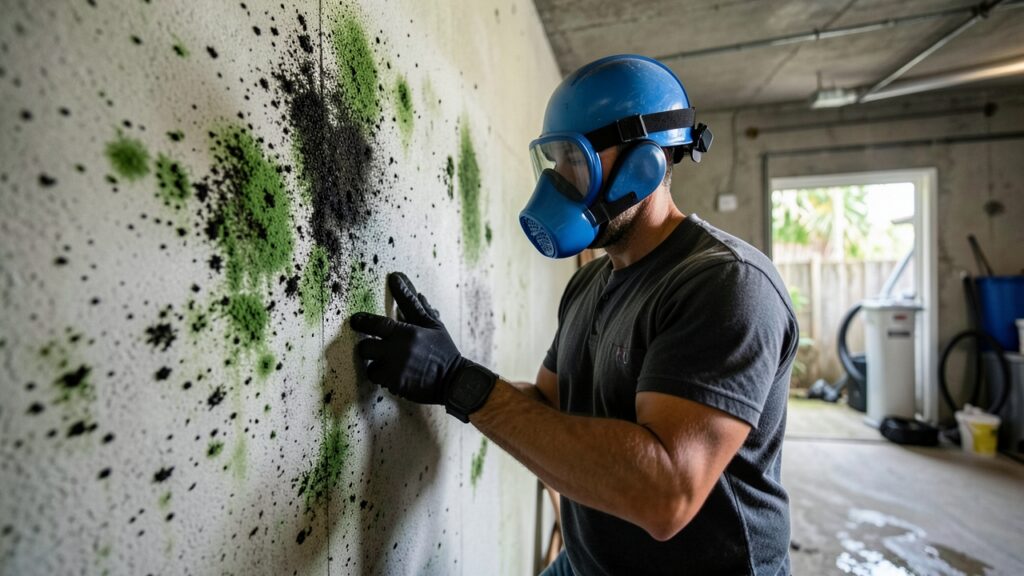
What a Practical Mold Inspection Checklist Looks Like for Weston Homes
I’ve handled mold inspection and remediation in Weston, FL, over 500 times in the last 12 years. One thing I can say for sure: the standard advice on how to spot mold problems at home misses the mark here—and it’s not just about looking for black spots or that musty smell. I’ve seen plenty of homeowners waste time and money chasing symptoms without a solid plan. If you want to know what to check and why, especially around here, this guide will give you a real-world mold inspection checklist you can trust.
I’ve been licensed and insured for 12 years doing mold remediation in Weston, FL, so that context matters here. Over those years, I’ve learned the hard truths nobody else mentions about mold detection and cleanup—especially in a place where humidity and hurricane season call for a sharper eye.
A practical mold inspection checklist for Weston Homes includes assessing visible mold growth, checking areas with high moisture such as basements and bathrooms, inspecting HVAC systems for mold contamination, and testing indoor air quality for mold spores. It also involves identifying water leaks, evaluating ventilation, and documenting findings with photos to guide effective remediation. This comprehensive approach ensures early detection and prevention of mold-related health risks.
The Part Most Companies Skip in a Mold Inspection Checklist
Most companies tell you mold inspection is about surface checks and maybe a quick air sample test. Here’s what I’ve actually found after 500+ jobs: surface checks alone are almost never enough in Weston. Mold hides behind drywall, under flooring, and in HVAC systems especially after heavy rains or storms. You’ll see most guides recommend just looking for visible mold or smelling for mustiness, but I stopped trusting that approach when I realized it left serious problems untreated.
In Weston, the construction style and high humidity mean mold can grow inside walls and under baseboards without showing obvious signs until it’s advanced. The standard “look and sniff” method misses this. Real mold inspection involves a checklist that includes moisture mapping, checking crawl spaces, inspecting HVAC components, and sometimes destructive testing like removing sections of drywall to confirm growth behind the surface.
This is why a professional mold inspection in Weston involves more than just a walk-through. According to IICRC guidelines, proper remediation requires identifying all mold sources, not just what you can see—which is why a solid mold testing checklist includes sampling from behind walls and in areas prone to hidden moisture.
What I Watch for in Weston’s Weather and Building Patterns
Weston isn’t like other parts of Florida. After a storm, the pattern I always see is mold growth starting in basements and lower-level walls due to flooded soil and poor drainage. Neighborhoods like The Ridges and Weston Hills have soils that retain water longer, which means basements and crawl spaces often stay damp after heavy rain.
Humidity here weighs heavily on building materials, especially older homes around Bonaventure Boulevard and near Markham Park. I’ve noticed that even newer builds in Savanna face mold issues because the air conditioning systems aren’t always adequately sized for the volume of moisture in the air. That’s why I always check HVAC filters and ducts for mold growth during my inspections. Carrier and Lennox systems pop up in a lot of homes here, and in my experience, poor maintenance combined with Weston’s moisture levels creates a perfect storm for hidden mold.
Signs You Need Mold Remediation: A Diagnostic Checklist
Here’s a quick rundown of what I tell homeowners to look for before calling me out:
- Musty or earthy odors: This is usually the first sign but not always present.
- Visible discoloration or black spots: Check around windows, under sinks, and near HVAC vents.
- Peeling or bubbling paint/wallpaper: Indicates moisture behind walls.
- Condensation on windows and pipes: Constant moisture is a breeding ground for mold.
- Health symptoms: Frequent headaches, nasal congestion, or asthma flare-ups when home.
- Water stains or leaks: Any signs of water damage are worth examining closely.
For basement mold cleanup in Weston, FL, check the baseboards and floor corners carefully. If you see mold there, it usually means water damage and mold removal is urgent, especially with how quickly mold can spread in humid conditions.
How Much Does Mold Remediation Cost in Weston, FL? What You Should Know
The short answer: it varies widely depending on the extent of mold and the property size. The cost of mold remediation Weston FL runs anywhere from a few hundred dollars for small spot treatments to several thousand for extensive black mold removal in large areas.
Black mold removal cost Weston is usually higher because it requires specialized containment, protective equipment, and sometimes demolition of affected materials. I tell folks to expect a fair price range of $500 to $4,000 around here, depending on complexity. I always provide free estimates, and if the job isn’t worth doing, I say so upfront.
What most people don’t realize is that skimping on mold remediation opens the door for mold to come back. That’s why I back every job with a two-year warranty on labor—if something isn’t right, I’ll come back and fix it at no extra cost.
Home Mold Inspection Tips You Can Use Right Now
If you want to do a basic mold inspection yourself before calling a pro, here’s a simple mold detection guide that matches what I use on site:
- Check moisture levels: Use a moisture meter on walls, floors, and ceilings, especially near leaks or after storms.
- Look for water stains and peeling: Pay close attention to places like under sinks, near windows, and behind appliances.
- Test HVAC filters and ducts: Pull the filters out and look for discoloration. Mold often grows here unnoticed.
- Sniff around: Mold smells are subtle but distinct—if you notice anything musty, that’s a red flag.
- Inspect basements and crawl spaces: These spots collect moisture and are prime mold breeding grounds in Weston.
When you do this, keep in mind the Florida Building Code requires mold remediation contractors to follow strict containment and removal procedures. If you find anything suspicious, don’t wait for mold damage to spread.
Why Mold Prevention and Cleanup Need to Focus on Water Control in Weston
I’ve seen plenty of homeowners clean visible mold only to get called back a few months later with the same problem. The reason? Water damage and mold removal have to go hand in hand. Fix the moisture source first, or you’re just treating symptoms.
Simple mold prevention and cleanup tips I recommend:
- Keep gutters clean and direct water away from foundations.
- Seal cracks in concrete slabs and basement walls around Weston Road and Indian Trace.
- Maintain air conditioners and dehumidifiers during humid summer months.
- Use mold-resistant paints and primers, especially in kitchens and bathrooms.
- Immediately dry any water leaks or spills, even small ones.
For more on why post-storm mold inspection must go beyond visible damage, see this detailed explanation from my own experience in Wilton Manors: Why Post-Hurricane Mold Inspection Must Go Beyond the Surface in Wilton Manors, FL.
FAQ: Common Questions About Mold Inspection and Remediation in Weston
How soon after water damage should I schedule mold remediation?
The short answer: as soon as possible. Mold can start growing within 24 to 48 hours after water intrusion. The IICRC S500 standard divides water damage into contamination categories to help prioritize response time. Delaying remediation increases cost and damage.
Is it safe to do mold testing myself?
DIY mold testing kits are available but often unreliable. They don’t capture hidden mold or identify all species accurately. A professional mold inspection Weston FL includes moisture detection and sampling methods that go beyond surface testing.
Do all mold types require the same removal process?
No. Black mold (Stachybotrys) is more toxic and requires stricter containment and PPE during removal. Other molds might be less harmful but still need proper cleanup to prevent health risks and structural damage.
One last thing: I personally rely on products like Concrobium for mold cleanup because they don’t just cover mold—they eliminate spores without harsh chemicals. It’s one of the best tools I’ve found for safe, effective remediation here in Weston.
If you live near Weston Town Center or in communities like Windmill Ranch Estates, keep an eye out this rainy season. Mold problems often show up first in hidden spots. And remember, I’m usually available same-day for urgent calls—free estimates, honest advice, and a warranty that stands up to our Florida conditions.