Fort Lauderdale’s Waterfront Homes and the Unique Mold Risks They Face
Living on the waterfront in Fort Lauderdale is a dream for many—waking up to shimmering views of the New River or docking your boat just steps from your door along Las Olas Boulevard creates an unparalleled lifestyle. But as a longtime resident and mold remediation professional here in Broward County, I’ve seen firsthand how our subtropical climate and proximity to water create unique challenges for homeowners. Waterfront properties, while stunning, face heightened risks when it comes to mold growth, and understanding these risks is essential to protect both your home and your health.
Waterfront homes in Fort Lauderdale are especially vulnerable to mold due to high humidity, frequent flooding, and saltwater exposure, which create ideal conditions for mold spores to thrive. The combination of our subtropical climate and proximity to tidal waters means mold prevention and timely remediation are critical to maintaining a safe, healthy home.
Why Waterfront Homes Are More Prone to Mold in Fort Lauderdale
Fort Lauderdale’s waterfront properties are a joy to own, but the environment that makes them so attractive also encourages mold growth. Our city’s location along the Atlantic coastline and the extensive network of canals and rivers, including the New River, means homes often face moisture challenges that inland properties don’t encounter.
Subtropical Humidity and Constant Moisture
Fort Lauderdale experiences year-round humidity averaging around 70%, which is already a prime condition for mold growth. Waterfront homes absorb moisture not only from the air but also from the surrounding water bodies. This persistent dampness can infiltrate building materials like wood, drywall, and insulation, fostering mold colonies.
Flooding and Water Intrusion Risks
Our waterfront neighborhoods, especially those near Las Olas and along Broward County’s canal systems, often face flooding during heavy rains or hurricanes. Floodwaters carry contaminants and water deep into crawl spaces, basements, and behind walls. Without proper drying, these areas become mold hotspots.
Saltwater and Corrosion Issues
Saltwater exposure can damage protective coatings on home exteriors and ventilation systems, allowing moisture to seep inside more easily. Salt-laden air can also degrade HVAC components, reducing airflow and increasing indoor humidity levels, indirectly encouraging mold growth.
Common Mold Problems Waterfront Homeowners Encounter
From the New River’s banks to the shores near Fort Lauderdale Beach, homeowners report similar mold-related issues that stem from their unique environment.
Hidden Mold Behind Walls and Under Floors
Water intrusion often goes unnoticed until mold has spread extensively behind walls or beneath flooring. This hidden mold can cause persistent musty odors and trigger allergic reactions among family members.
Mold on Windows, Doors, and Outdoor Living Spaces
Salt and moisture frequently cause mold growth on window sills, door frames, and screened patios—common features in waterfront homes designed to maximize outdoor living.
HVAC Mold Contamination
Because waterfront homes require efficient air conditioning to combat humidity, mold can sometimes grow inside ductwork and vents if the system is not properly maintained, spreading spores throughout the living space.
Preventing Mold in Your Fort Lauderdale Waterfront Home
While the risks are significant, there are effective strategies every waterfront homeowner can use to reduce mold growth and protect their investment.
Regular Inspection and Maintenance
Schedule frequent inspections—especially after storms—to check for leaks, water damage, or visible mold. Pay close attention to basements, crawl spaces, and areas around windows and doors.
Control Indoor Humidity
Use dehumidifiers and air conditioning systems designed for high-humidity environments. Aim to keep indoor humidity below 60% to slow mold growth.
Improve Ventilation and Seal Water Entry Points
Ensure proper airflow in bathrooms, kitchens, and laundry areas. Seal cracks in walls, foundations, and around windows to prevent water intrusion from the frequent rains and tidal surges common in Broward County.
Use Mold-Resistant Materials
If building or renovating, consider mold-resistant drywall, insulation, and paints, especially in areas prone to moisture exposure.
When to Call Fort Lauderdale Mold Remediation Pros
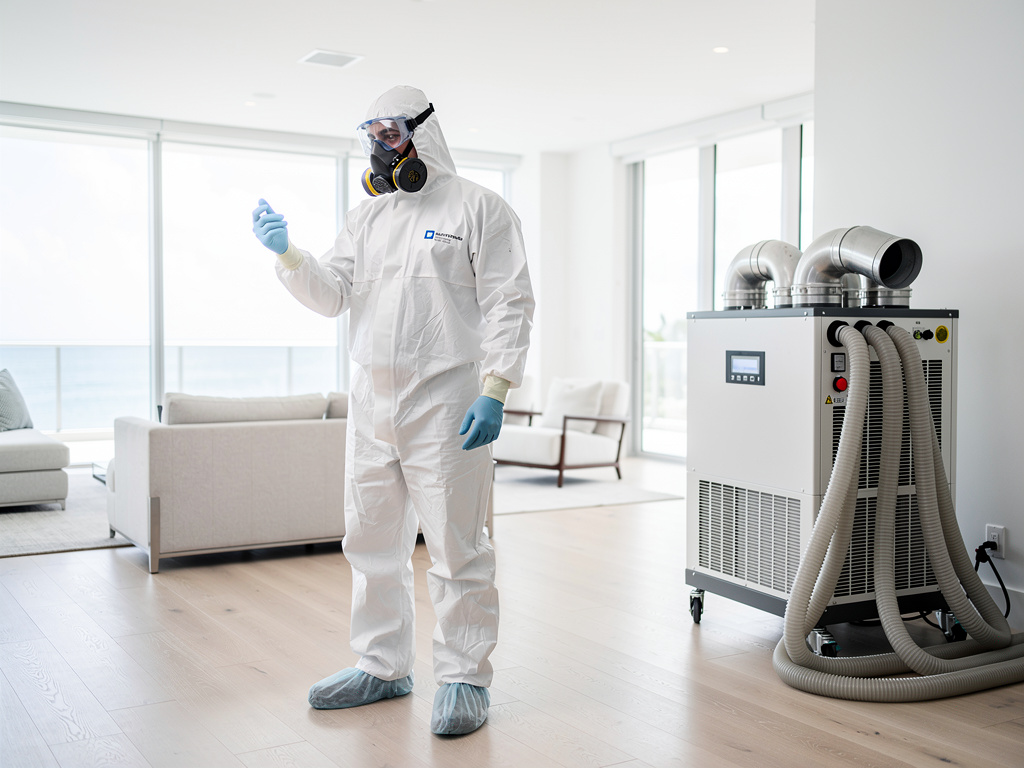
Despite your best efforts, mold can sometimes get out of control. If you notice persistent musty odors, water stains, or visible mold growth, it’s time to call in the experts. We understand the unique conditions of Fort Lauderdale’s waterfront homes and use specialized equipment and techniques to safely remove mold, protect your property, and restore your indoor air quality.
Frequently Asked Questions
How does Fort Lauderdale’s climate specifically affect mold growth in waterfront homes?
The subtropical climate results in high humidity year-round, and when combined with proximity to water bodies like the New River and canals, it creates consistently moist environments that encourage mold spores to grow and spread rapidly.
Can saltwater exposure increase mold problems in my home?
Yes. Saltwater can degrade protective surfaces and ventilation systems, leading to increased moisture intrusion and reduced airflow. This creates additional opportunities for mold to develop, especially if maintenance is neglected.
What immediate steps should I take if I find mold after a flood in my waterfront home?
First, ensure your safety by wearing protective gear. Then, contact a professional mold remediation company to assess the damage. Prompt drying, cleaning, and removal of contaminated materials are essential to prevent mold from spreading further.
If you own a waterfront property in Fort Lauderdale or anywhere in Broward County, don’t let mold threaten your home and health. Contact Fort Lauderdale Mold Remediation Pros today at (954) 686-3836 for expert mold inspection, removal, and prevention services. Our office is conveniently located at 300 SE 2nd St Suite 600, Fort Lauderdale, FL 33301, and we’re ready to help you protect your beautiful waterfront home.