Living in Fort Lauderdale means enjoying beautiful beaches, vibrant neighborhoods like Las Olas, and scenic waterways such as the New River. However, our subtropical climate also brings one persistent challenge for homeowners: high humidity. As someone who has worked extensively with Broward County properties, I’ve witnessed firsthand how unchecked moisture can quickly lead to mold problems. Understanding and controlling humidity is essential not only for maintaining your home’s structural integrity but also for protecting your family’s health.
Humidity control is critical in preventing mold growth in Fort Lauderdale properties because mold thrives in moist environments typical of our subtropical climate. By maintaining indoor humidity levels below 60%, ideally between 30-50%, homeowners can significantly reduce the risk of mold infestation and protect their homes from costly damage.
Why Humidity is a Mold Magnet in Fort Lauderdale
Fort Lauderdale’s year-round warm temperatures combined with frequent rain and proximity to the Atlantic Ocean create ideal conditions for elevated indoor humidity. The average relative humidity in Broward County often exceeds 70%, especially during the summer months. This moisture seeps into homes through open windows, doors, and even the foundation, creating a hospitable environment for mold spores to settle and multiply.
Areas near the New River and other waterways often experience even greater humidity fluctuations, which means homes in these neighborhoods can be especially vulnerable. Without proper humidity control, condensation forms on walls, ceilings, windows, and inside HVAC systems, providing mold with the moisture it needs to grow.
Effective Humidity Control Strategies for Fort Lauderdale Homes
Controlling humidity in a Fort Lauderdale home isn’t as simple as just opening a window. Here are some practical strategies I recommend based on years of local experience:
1. Use Dehumidifiers Strategically
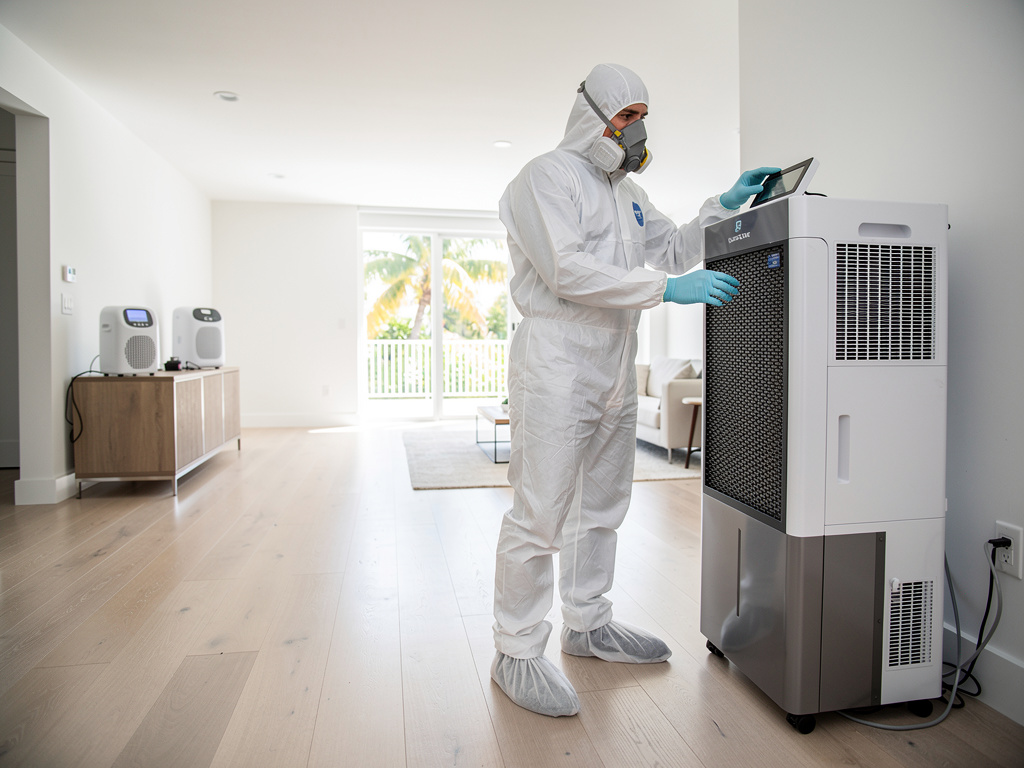
Dehumidifiers are essential tools in our subtropical climate. Place them in high-moisture areas like basements, bathrooms, kitchens, and laundry rooms. For larger homes or those near the coast, whole-house dehumidification systems integrated into your HVAC unit can provide continuous humidity control.
2. Maintain and Upgrade HVAC Systems
Proper HVAC maintenance ensures your system can efficiently remove moisture from the air. Regularly replace filters, clean ducts, and consider upgrading to units with built-in humidity sensors. Fort Lauderdale’s salty, humid air can corrode equipment, so timely servicing is crucial.
3. Improve Home Ventilation
Ventilation helps cycle out humid air and bring in fresh, drier air. Use exhaust fans in bathrooms and kitchens and ensure they vent outdoors, not into attics or crawl spaces. For homes near Las Olas or downtown Fort Lauderdale, where air pollution can be a concern, controlled ventilation with air purifiers strikes a balance.
4. Seal Air Leaks and Insulate
Seal gaps around windows, doors, and foundations to prevent moist outdoor air from infiltrating your home. Proper insulation also helps reduce condensation on cold surfaces—a common issue in Fort Lauderdale’s humid environment.
Spotting and Addressing Mold Early
Even with humidity control measures, mold can sneak in if moisture problems aren’t fixed promptly. Regularly inspect vulnerable areas such as under sinks, around windows, behind appliances, and in crawl spaces. If you notice a musty odor or visible mold growth, act quickly.
At Fort Lauderdale Mold Remediation Pros, we recommend professional mold inspections, especially if you have allergies, respiratory issues, or unexplained health symptoms. Early detection and remediation are key to preventing mold from spreading and causing long-term damage.
Frequently Asked Questions
What is the ideal indoor humidity level to prevent mold in Fort Lauderdale homes?
Indoor humidity should be kept between 30% and 50% to effectively reduce mold growth. Levels above 60% create an environment conducive to mold, especially given Fort Lauderdale’s humid climate.
Can air conditioning alone control humidity in Fort Lauderdale properties?
While air conditioning reduces indoor temperature and can lower humidity somewhat, it often isn’t enough alone in Fort Lauderdale’s subtropical environment. Supplementing with dehumidifiers and ensuring proper ventilation is usually necessary for effective humidity control.
How often should I have my home inspected for mold in Broward County?
Annual mold inspections are recommended, especially for homes near waterways or with previous moisture issues. After heavy storms or flooding, immediate inspection is advised to catch potential mold growth early.
If you’re concerned about humidity control or suspect mold in your Fort Lauderdale property, don’t wait to get professional help. Contact Fort Lauderdale Mold Remediation Pros at (954) 686-3836. Our expert team is ready to help you protect your home and health with effective mold prevention and remediation solutions.