How Hurricanes Affect Mold Issues in Fort Lauderdale Homes
Living in Fort Lauderdale, we’re no strangers to hurricanes and tropical storms. Each year, as the Atlantic hurricane season rolls in, the threat of severe weather looms over our beautiful coastal city. While most residents prepare for wind damage and flooding, one often overlooked but serious consequence of hurricanes is mold growth inside homes. Having worked extensively in Broward County, including neighborhoods like Las Olas and areas near the New River, I’ve seen firsthand how these storms exacerbate mold problems, posing health risks and costly repairs for homeowners.
Hurricanes dramatically increase mold issues in Fort Lauderdale homes by causing flooding, prolonged moisture exposure, and structural damage that creates ideal conditions for mold growth. The subtropical humidity combined with hurricane-related water intrusion accelerates mold development, making timely remediation critical for health and property protection.
Why Hurricanes Create Perfect Conditions for Mold in Fort Lauderdale
Fort Lauderdale’s subtropical climate already encourages mold growth year-round due to consistently high humidity levels, often hovering between 70% to 80%. When a hurricane strikes, the situation intensifies. Heavy rainfall and storm surge lead to flooding, especially in low-lying areas of Broward County near canals, the New River, and coastal zones.
This flooding saturates building materials like drywall, wood framing, and insulation. Floodwaters often linger for days, and combined with warm temperatures, they create an environment where mold spores can rapidly multiply. Even without direct flooding, hurricane-driven roof leaks or broken windows allow moisture to penetrate interiors. The prolonged dampness and poor ventilation following a storm make mold outbreaks almost inevitable if not addressed immediately.
Common Mold Problems After Hurricanes in Fort Lauderdale Homes
Floodwater Contamination and Mold
Floodwaters in Fort Lauderdale often carry contaminants including bacteria and sewage, which makes the mold growing in these conditions more hazardous. Homes affected by storm surge or heavy flooding require professional mold remediation to safely remove toxic mold colonies and contaminated materials to protect your family’s health.
Hidden Mold in Walls and Crawlspaces
Many Fort Lauderdale homes feature crawlspaces or stucco exteriors that can trap moisture after a hurricane. Mold growth inside walls, under floors, and in crawlspaces can remain hidden for weeks or months, causing structural damage and indoor air quality problems. Early detection using moisture meters and infrared cameras is essential to prevent costly repairs.
Humidity Retention in Coastal and Inland Areas
Even if your home avoids direct flooding, the post-hurricane humidity spike across Broward County can promote mold growth on organic surfaces like wood trim, furniture, and carpets. Coastal areas near Las Olas and inland neighborhoods alike face persistent moisture issues after storms that require dehumidification and mold prevention strategies.
Steps to Prevent Mold Growth After a Hurricane
After a hurricane passes, immediate action is key to minimizing mold damage. Here’s what I recommend based on years of experience helping Fort Lauderdale residents recover from storms:
- Remove Standing Water Quickly: Use pumps or wet/dry vacuums to clear flooded areas within 24-48 hours.
- Dry Out Your Home Thoroughly: Open windows, use fans and dehumidifiers to reduce indoor moisture as rapidly as possible.
- Inspect for Leaks and Structural Damage: Repair roof damage, broken windows, and compromised seals to prevent future water intrusion.
- Dispose of Water-Damaged Materials: Porous materials like soaked drywall, insulation, and carpeting often cannot be salvaged and should be removed promptly.
- Hire a Certified Mold Remediation Professional: For extensive mold growth or contamination, expert remediation ensures safe removal and prevents recurrence.
Why Professional Mold Remediation Is Essential in Fort Lauderdale
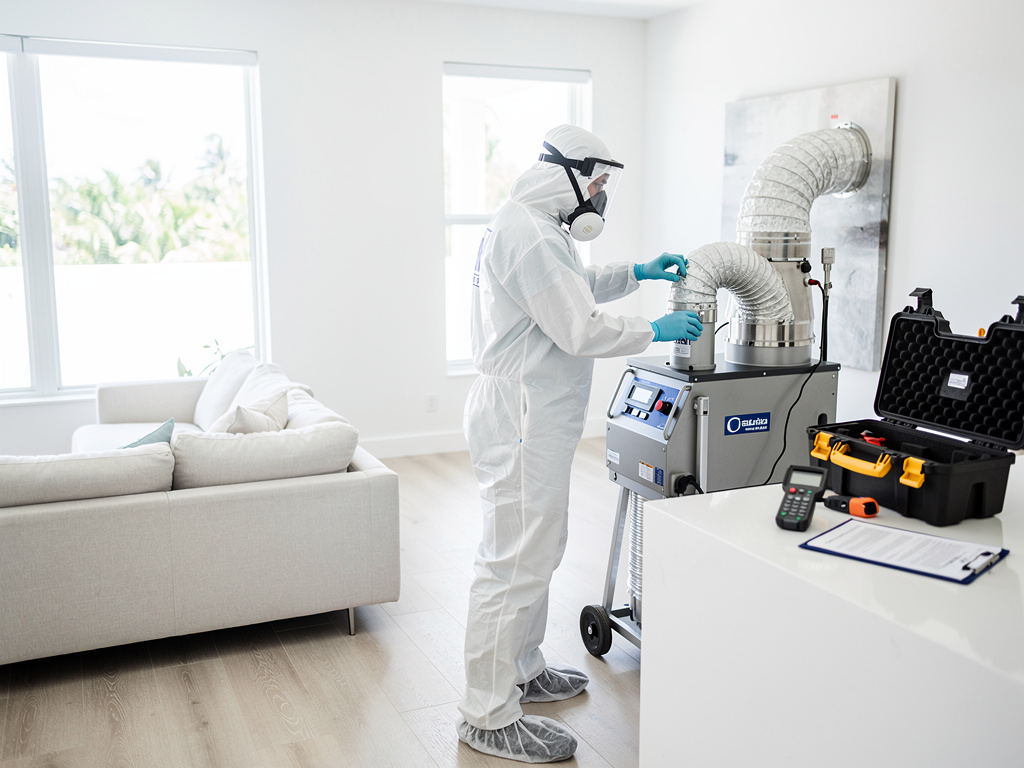
Given the complexity of hurricane-related mold issues, DIY cleanup often isn’t enough. Mold can penetrate deeply into building materials, and improper removal can spread spores throughout your home. Our team at Fort Lauderdale Mold Remediation Pros understands the unique challenges posed by Broward County’s climate and hurricane impacts. We use state-of-the-art equipment and EPA-approved techniques to identify hidden mold, contain contamination, and restore your home safely.
Our local expertise means we know exactly how to address mold in areas like the historic homes along Las Olas Boulevard or newer construction near the New River. We also help with insurance claims, documenting damage properly to maximize your coverage benefits.
Frequently Asked Questions
How soon can mold start growing after a hurricane-related flood?
Mold can begin growing within 24 to 48 hours after water intrusion if moisture is not properly controlled. Fort Lauderdale’s warm and humid climate accelerates this process, making quick cleanup and drying essential.
Is all mold in my home dangerous after a hurricane?
Not all mold is highly toxic, but floodwater can introduce black mold and other harmful species that pose health risks. It’s best to have a professional assessment to identify and safely remove any hazardous mold colonies.
Can I prevent mold growth if my home wasn’t flooded but experienced heavy rain and humidity?
Yes. Even without flooding, high humidity after a hurricane can encourage mold growth. Using dehumidifiers, increasing ventilation, and checking for leaks or condensation will help prevent mold problems.
If you’re facing mold issues after a hurricane or suspect hidden mold in your Fort Lauderdale home, don’t wait. Contact Fort Lauderdale Mold Remediation Pros at (954) 686-3836 for expert help. We’re located at 300 SE 2nd St Suite 600 and proudly serve Fort Lauderdale and all of Broward County. Let us protect your home and family from the lasting effects of mold.