Best Practices for Mold Remediation and Removal in Fort Lauderdale
Living in Fort Lauderdale, I’ve come to understand just how persistent mold can be in our subtropical environment. With the high humidity levels typical of Broward County, especially near the New River and the bustling Las Olas Boulevard, mold growth is more than just a nuisance—it’s a health and structural concern for homeowners. Over the years, I’ve learned that effective mold remediation requires not only prompt action but also a thorough, region-specific approach.
The best practices for mold remediation and removal in Fort Lauderdale combine thorough moisture control, professional assessment, and specialized treatment methods tailored to our humid subtropical climate. This includes addressing water intrusion promptly, using EPA-approved cleaning agents, and ensuring proper ventilation to prevent mold recurrence.
Understanding Fort Lauderdale’s Mold Challenges
Fort Lauderdale’s subtropical climate, with its warm temperatures and high humidity, creates a perfect breeding ground for mold. The average humidity often hovers around 70%, and the rainy season from May through October can lead to water accumulation and leaks in homes. Areas close to waterways, like the New River or waterfront properties in Las Olas, are particularly vulnerable due to potential flooding and increased moisture exposure.
Because mold thrives on damp surfaces, it’s common to find it in places like basements, crawl spaces, bathrooms, and behind walls or under flooring where moisture can easily linger. Without proper intervention, mold can cause health issues such as allergies and respiratory problems, and it can also degrade your home’s structure.
Step 1: Identify and Eliminate Moisture Sources
Before any mold removal begins, it’s crucial to locate the source of moisture. In Fort Lauderdale homes, this often involves checking for leaks around windows, roofs, and plumbing, especially given the frequent afternoon storms and occasional hurricanes that can strain your home’s defenses. Crawl spaces and attics should also be inspected for condensation or standing water.
Fixing leaks promptly and improving drainage around your home are foundational steps. Installing sump pumps or dehumidifiers can help manage indoor humidity levels, keeping them ideally below 60%, which significantly reduces mold growth risk.
Step 2: Professional Mold Inspection and Testing
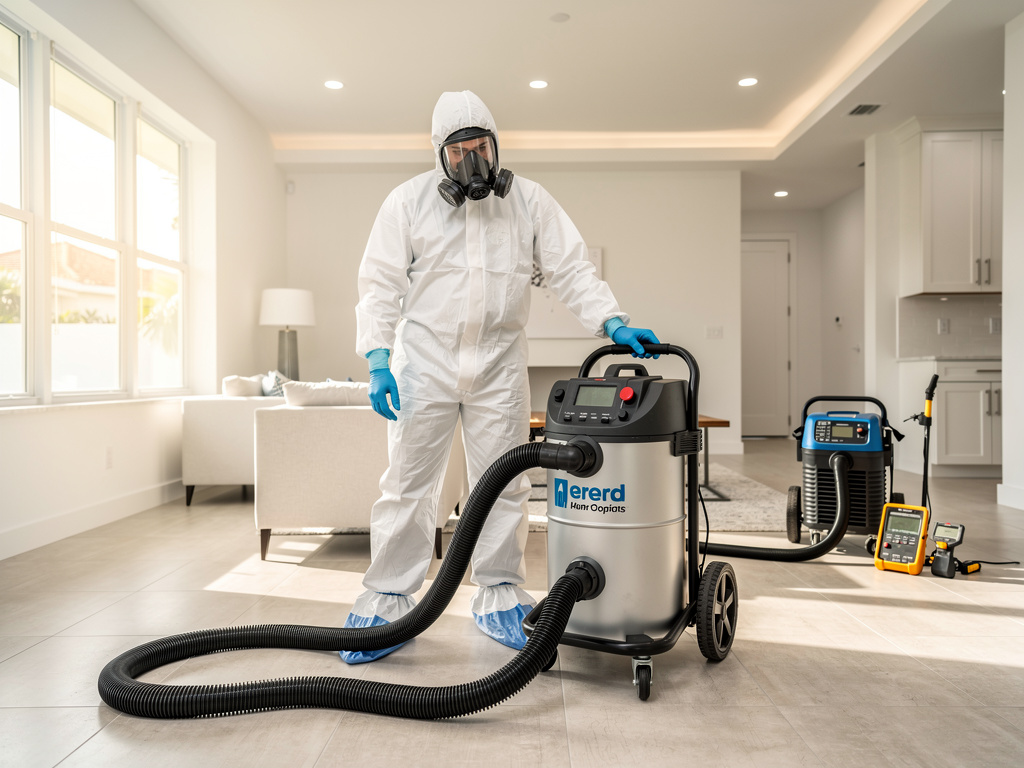
While some mold is visible, other colonies grow hidden behind walls or under floorboards. Hiring a professional mold remediation company in Fort Lauderdale is essential—they use specialized equipment like moisture meters and infrared cameras to detect hidden mold. Testing also helps determine the type of mold present, as some species require more aggressive remediation methods.
At Fort Lauderdale Mold Remediation Pros, we conduct thorough inspections and provide detailed reports so homeowners understand the extent of contamination and the best removal strategy.
Step 3: Safe and Effective Mold Removal Techniques
Once the mold is identified and moisture controlled, the remediation process begins. In Fort Lauderdale’s humid environment, we use EPA-approved antimicrobial treatments designed to kill mold spores and prevent regrowth. Physical removal of mold-infested materials, such as drywall or insulation, may be necessary for severe infestations.
Containment is critical to prevent spores from spreading during cleanup. Professionals use negative air pressure systems and HEPA filters to ensure safe air quality throughout the process. It’s important not to attempt removal without protective gear, as disturbing mold can worsen exposure risks.
Step 4: Post-Remediation Prevention
After remediation, maintaining a dry, well-ventilated home is key. In Fort Lauderdale, this might mean routinely using exhaust fans in kitchens and bathrooms and installing vapor barriers in crawl spaces. Landscaping adjustments to direct rainwater away from your foundation and regular roof maintenance can also help.
Seasonal checks for signs of water damage or musty odors will ensure your home remains mold-free year-round.
Frequently Asked Questions
How quickly should I address mold after discovering it in my Fort Lauderdale home?
It’s best to address mold immediately upon discovery. Given Fort Lauderdale’s humid climate, mold can grow and spread rapidly within 24 to 48 hours. Prompt remediation prevents health risks and structural damage.
Can I remove mold myself, or should I hire a professional?
Small mold patches on non-porous surfaces can sometimes be cleaned safely with household cleaners. However, due to Fort Lauderdale’s climate and the risk of hidden mold, hiring a professional ensures thorough removal and reduces health hazards.
What measures can I take to prevent mold growth in my Fort Lauderdale home?
Controlling indoor humidity below 60%, fixing leaks promptly, using dehumidifiers, and ensuring good ventilation are effective prevention strategies tailored for Fort Lauderdale’s subtropical environment.
If you’re facing mold issues or want to safeguard your Fort Lauderdale home, don’t hesitate to reach out to Fort Lauderdale Mold Remediation Pros. Our expert team is ready to help you restore a healthy living environment. Call us today at (954) 686-3836 or visit us at 300 SE 2nd St Suite 600, Fort Lauderdale, FL 33301.