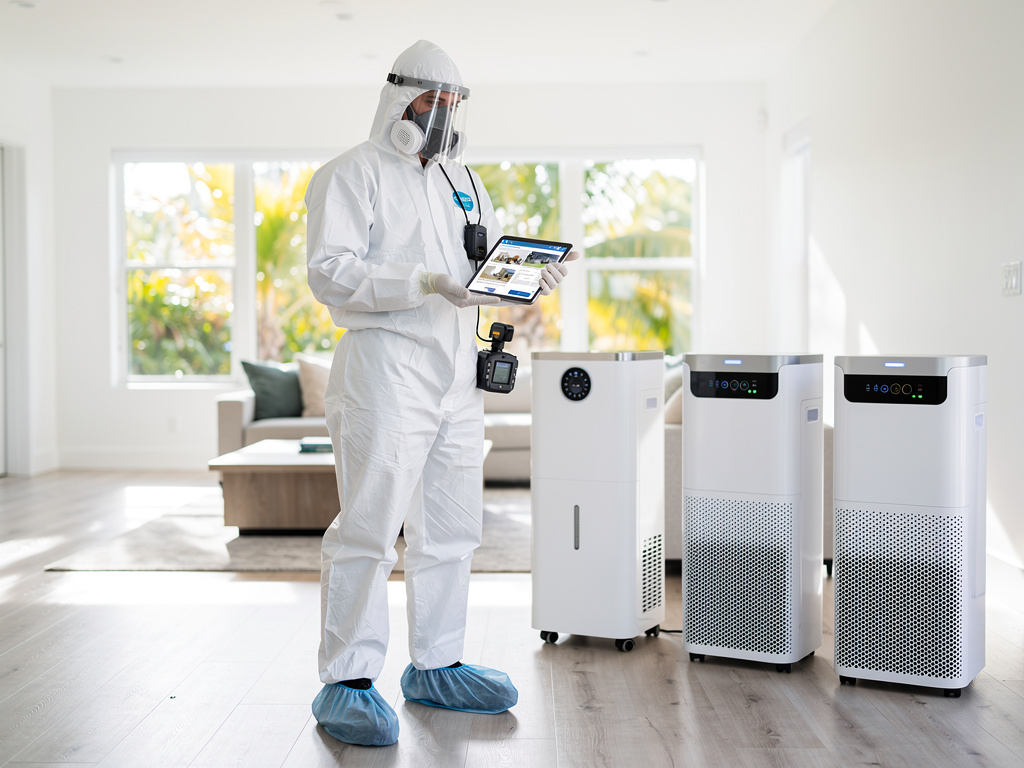
Does Insurance Cover Mold Damage in Fort Lauderdale Homes?
Living in Fort Lauderdale means enjoying beautiful sunrises along Las Olas Boulevard and the peaceful flow of the New River. But as any homeowner here knows, our subtropical climate comes with a catch: persistent humidity and frequent storms can create the perfect conditions for mold growth inside our homes. Naturally, when mold damage occurs, many of us wonder if our insurance policies will cover the costly cleanup and repairs.
Most standard homeowners insurance policies in Fort Lauderdale do not automatically cover mold damage unless it results from a covered peril like a burst pipe or storm-related water intrusion. Coverage varies widely, so it’s essential to review your specific policy and consult with your insurer to understand mold-related protections and exclusions.
Why Mold Is Such a Common Problem in Fort Lauderdale Homes
Fort Lauderdale’s subtropical climate—with its high heat and humidity averaging around 70% year-round—creates a breeding ground for mold. Broward County’s rainy season, spanning from June through October, brings heavy rainfall and occasional flooding. Many homes near the New River or coastal areas experience moisture intrusion, which, if left unaddressed, leads to mold colonies growing behind walls, under floors, and inside HVAC systems.
Even minor leaks or condensation in attics and crawl spaces can cause significant mold growth over time. Since mold spores are naturally present in the environment, all it takes is the right combination of moisture and warmth for them to thrive. This ongoing risk makes mold remediation a frequent service request in Fort Lauderdale.
Understanding Homeowners Insurance and Mold Coverage
When it comes to insurance, mold coverage is often a gray area. Most standard policies issued in Broward County contain mold exclusions or limited coverage clauses. This means that if mold results from a gradual issue like poor ventilation, persistent leaks, or high indoor humidity, the damage usually isn’t covered.
However, mold damage caused by a sudden and accidental event—such as a burst pipe, a roof damaged during a hurricane, or water backup from a storm—is often covered. Insurance companies see these as “covered perils,” and the remediation costs may be reimbursed up to a specific limit outlined in the policy.
Typical Mold Coverage Limits and Riders
Some insurers offer mold endorsements or riders that homeowners can purchase to add mold coverage to their policies. These add-ons typically increase premium costs but may provide more comprehensive protection for mold-related damages. The coverage limits vary—ranging from a few thousand dollars to full remediation costs depending on the plan.
Given Fort Lauderdale’s vulnerability to hurricanes and flooding, it’s wise to review your policy annually and discuss mold coverage options with your insurance agent.
Common Scenarios Where Mold Damage May Be Covered
- Storm Damage: Hurricanes and tropical storms often cause roof leaks or flooding. If mold develops due to water damage from these events, insurance may cover remediation.
- Plumbing Failures: Sudden pipe bursts that lead to water damage and mold growth are typically covered.
- Accidental Water Discharge: Unexpected appliance malfunctions that cause water leaks may trigger coverage for mold cleanup.
Keep detailed records of damage and repairs, as insurance companies often require proof that mold was caused by a covered event and not neglect or poor maintenance.
Steps to Take If You Suspect Mold Damage in Your Fort Lauderdale Home
1. Document the Damage: Take photos and videos of the affected areas immediately.
2. Contact Your Insurance Company: Report the damage promptly and ask about your coverage specifics.
3. Schedule a Professional Mold Inspection: Certified mold remediation experts can assess the extent of damage and provide reports useful for insurance claims.
4. Prevent Further Damage: Address leaks or moisture issues quickly to avoid worsening mold growth.
At Fort Lauderdale Mold Remediation Pros, we assist homeowners throughout Broward County with thorough mold inspections and work closely with insurance companies to facilitate claims and remediation processes.
Frequently Asked Questions
Does homeowners insurance cover mold caused by humidity in Fort Lauderdale?
Generally, no. Mold caused by high indoor humidity or long-term moisture issues is considered maintenance-related and not covered by standard homeowners insurance policies. Coverage typically applies only to mold from sudden and accidental water damage.
Can flood insurance cover mold damage in Broward County homes?
Flood insurance, which is separate from standard homeowners insurance, may cover mold damage if it results directly from a flooding event. However, coverage specifics can vary, so reviewing your National Flood Insurance Program (NFIP) policy is important.
What should I do if my insurance denies mold damage coverage?
If your claim is denied, review the denial letter carefully and consult with a mold remediation professional who can provide detailed inspection reports. You can also seek advice from a public adjuster or attorney to explore your options for appeals or alternative coverage.
Living in Fort Lauderdale means embracing a vibrant lifestyle but also facing unique home maintenance challenges like mold. If you’re dealing with mold damage or want to learn more about your insurance options, don’t hesitate to reach out.
Call Fort Lauderdale Mold Remediation Pros today at (954) 686-3836 for expert mold inspection, remediation, and insurance claim support. Our office is conveniently located at 300 SE 2nd St Suite 600, Fort Lauderdale, FL 33301, proudly serving all of Broward County.