Water Damage and Mold Growth: What Fort Lauderdale Homeowners Need to Know
Living in Fort Lauderdale, with its lush canals, close proximity to the Atlantic Ocean, and charming neighborhoods like Las Olas and Rio Vista, offers a unique lifestyle. But the subtropical climate here also brings challenges—especially when it comes to managing water damage and the persistent threat of mold growth in our homes. Having navigated these issues personally, I understand how quickly a small leak or flood can spiral into a costly and health-affecting problem.
Water damage in Fort Lauderdale homes creates ideal conditions for mold growth due to the region’s high humidity and frequent storms. Promptly addressing water intrusion and thoroughly drying affected areas are essential to prevent mold infestation and protect your property and health.
Why Fort Lauderdale’s Climate Amplifies Water Damage and Mold Risks
Fort Lauderdale enjoys a warm, humid subtropical climate year-round, with average relative humidity often above 70%. While this supports the city’s famous palm trees and outdoor lifestyle, it also means moisture lingers longer inside homes. Combine this with seasonal heavy rains and occasional tropical storms, and you have a recipe for persistent moisture problems.
Our proximity to the New River and the Intracoastal Waterway adds another layer of risk. Rising water tables and occasional flooding can easily lead to water infiltration in basements, crawl spaces, and lower levels of homes. Even minor water leaks from plumbing or air conditioning systems can saturate materials and create pockets of moisture that mold loves.
Common Causes of Water Damage in Broward County Homes
- Heavy Rain and Storm Surges: Intense rainfall from summer thunderstorms or hurricanes can overwhelm drainage systems, causing water to seep into foundations or walls.
- Plumbing Failures: Aging pipes or fixtures may leak, especially in older Fort Lauderdale homes near the Las Olas area where some properties date back several decades.
- Air Conditioning Condensation: AC units work overtime in our heat, and if drainage lines get clogged, water can back up and damage ceilings or floors.
- Poor Home Maintenance: Clogged gutters or improperly sealed windows allow water intrusion during storms.
- High Indoor Humidity: Without proper ventilation, moisture from daily activities can saturate indoor air, increasing condensation on surfaces.
How Water Damage Leads to Mold Growth
Once water infiltrates your home, porous materials like drywall, carpet padding, wood framing, and insulation quickly absorb moisture. In Fort Lauderdale’s warm environment, mold spores—which are naturally present in the air—find these damp surfaces to be perfect breeding grounds.
Mold can begin to grow within 24 to 48 hours after water exposure. Because mold releases spores and mycotoxins, it can affect indoor air quality and cause health issues such as allergies, respiratory irritation, and even more serious conditions for sensitive individuals.
Signs of Water Damage and Mold You Should Never Ignore
Living in Broward County means you should be vigilant for these warning signs in your home:
- Musty Odors: A persistent earthy or damp smell often signals mold growth behind walls or under flooring.
- Visible Stains or Discoloration: Water stains, bubbling paint, or warped wood are red flags.
- Condensation on Windows or Walls: Excess moisture buildup inside is a clue your home’s humidity is too high.
- Allergy Symptoms Inside Your Home: Sneezing, coughing, or skin irritation that worsens indoors can indicate mold presence.
Effective Mold Prevention and Remediation Strategies for Fort Lauderdale Homes
From my experience working with local Broward County homeowners, the key to controlling mold is twofold: stop water intrusion and control humidity.
Immediate Steps After Water Exposure
- Remove standing water quickly using pumps or wet/dry vacuums.
- Dry out affected areas with high-powered fans and dehumidifiers.
- Discard porous materials like ceiling tiles or carpet padding that have been soaked.
- Inspect for hidden pockets of moisture in wall cavities or crawl spaces.
Long-Term Prevention Measures
- Maintain gutters and downspouts to direct rainwater away from your foundation.
- Seal cracks in your home’s exterior and ensure window and door seals are intact.
- Schedule regular HVAC maintenance to prevent leaks and ensure proper humidity control.
- Use dehumidifiers during the humid summer months to keep indoor humidity below 60%.
- Consider mold-resistant drywall and paints if you’re renovating.
When to Call Fort Lauderdale Mold Remediation Pros
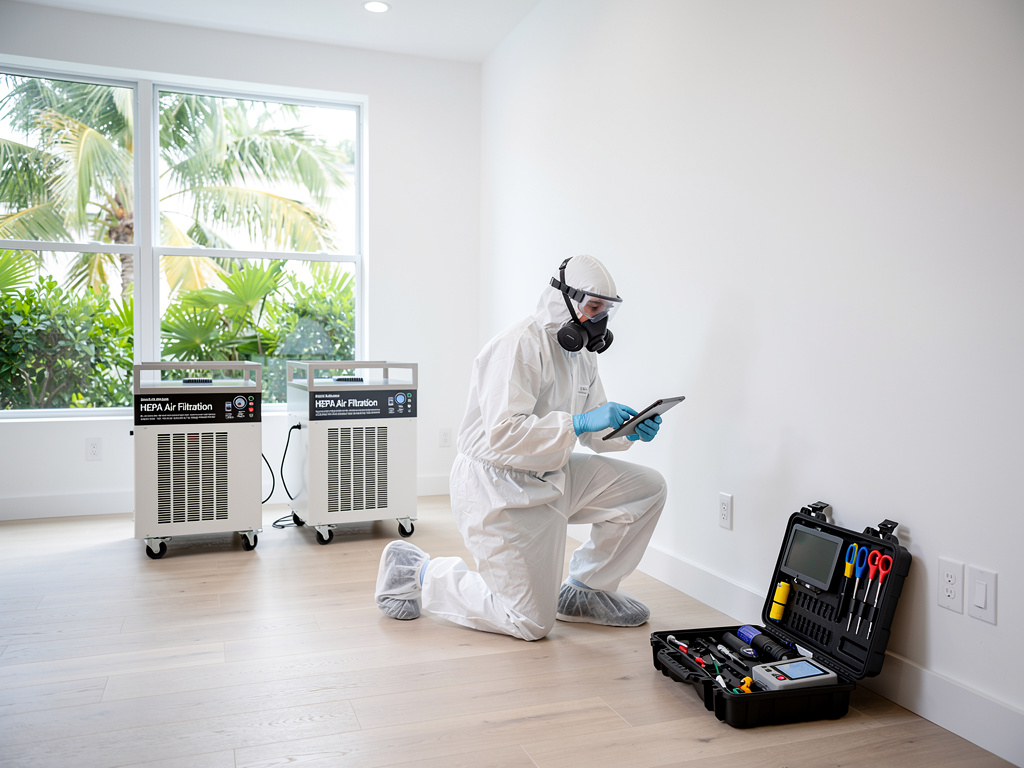
If you detect mold or suspect hidden water damage, professional assessment and remediation are crucial. Our experts use advanced moisture detection tools and follow industry best practices to safely remove mold and restore your home’s indoor air quality. We also help identify and fix the root causes of moisture problems to prevent recurrence.
Frequently Asked Questions
How quickly can mold grow after water damage in Fort Lauderdale homes?
Mold can begin to develop within 24 to 48 hours after water exposure, especially in Fort Lauderdale’s warm and humid conditions. Prompt drying and remediation are essential to prevent severe mold infestations.
Can I remove mold myself after a minor water leak?
Small surface mold patches may be cleaned with appropriate mold cleaners and protective gear. However, because mold can grow inside walls and under flooring, and because of health risks, it’s often safer and more effective to hire professionals who specialize in mold remediation.
Does Fort Lauderdale’s humid climate mean I will always have mold problems?
While high humidity increases mold risk, proper home maintenance, ventilation, and moisture control can significantly reduce the likelihood of mold growth. Using dehumidifiers and promptly addressing leaks are key to keeping mold at bay.
If you’re facing water damage or mold problems in your Fort Lauderdale or Broward County home, don’t wait until it worsens. Call Fort Lauderdale Mold Remediation Pros at (954) 686-3836. Our team is ready to help you protect your home and family with expert mold assessment and removal services. Visit us at 300 SE 2nd St Suite 600, Fort Lauderdale, FL 33301, and let’s keep your home safe and dry.